

" Smile Clinic Paris is now Cabinet Dentaire de la Madeleine "
How to remove stains from teeth
Cabinet Dentaire de la Madeleine in Paris

How can stains be removed from teeth?

Restore your smile's natural brightness

A bright smile is often associated with self-confidence and wellbeing. However, stains on the teeth can dull this brightness and affect their appearance. Whether they are caused by diet, smoking or

Removing stains from teeth

Why do stains appear on the teeth?

Tooth stains may develop for a number of reasons. The most common causes include:

Tooth stains and dietary habits

  • Coffee and tea: these drinks contain pigments that can adhere to tooth enamel, causing brown or yellow stains.
  • Red wine: its high concentration of tannins and pigments can also cause discolouration.
  • Acidic foods: citrus fruit and other acidic foods can weaken enamel, making it more prone to staining.
Oral health

  • Inadequate oral hygiene: a build-up of dental plaque can cause yellow or brown stains and, over time, tooth decay.
  • Smoking: tobacco can cause stubborn stains on the teeth, often greyish or brown in colour.

Other causes of tooth stains

  • Fluorosis: excess fluoride during childhood can cause white or brown stains.
  • Ageing enamel: enamel can become thinner with age and more susceptible to staining.

Removing stains from teeth

What are the different types of tooth stain?

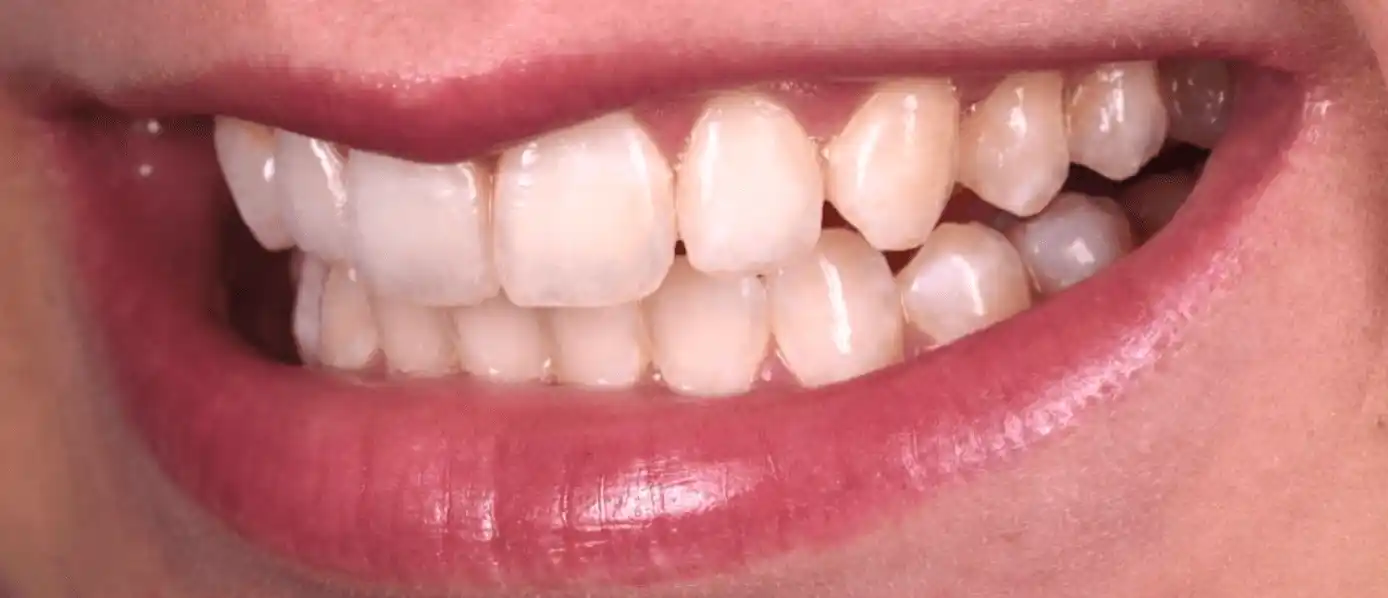
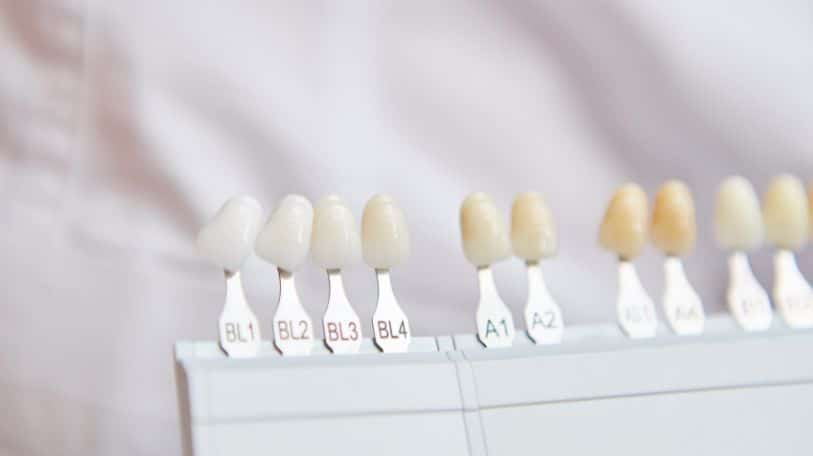
Tooth stains vary in colour:

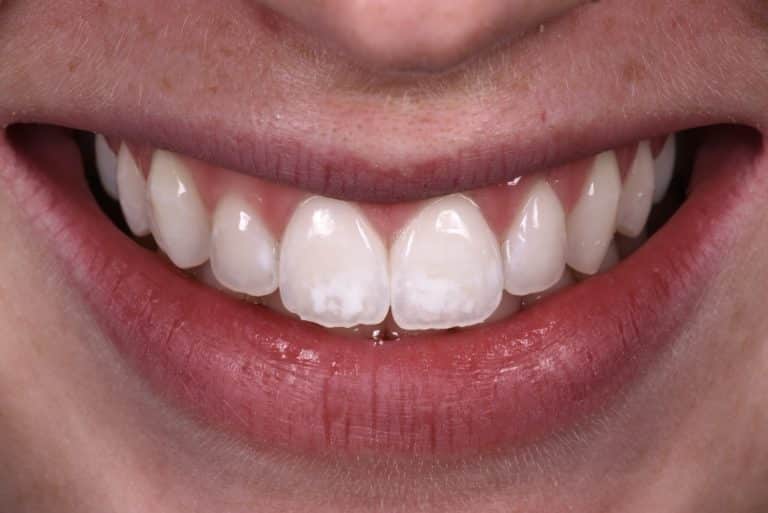
White stains on teeth

These are often caused by fluorosis or enamel demineralisation.

Yellow or brown stains on teeth

These are generally caused by dietary habits or smoking.

Translucent patches on teeth

These may result from the natural wear of tooth enamel.

Tooth stains can also vary in texture. Some may be smooth and superficial, while others may appear rougher or more deeply embedded, making them more difficult to remove.

Removing stains from teeth

Professional treatments to remove stains from teeth

Before beginning any treatment, it is essential to consult a dentist so that they can assess your aesthetic concern and identify its cause. They can then recommend the solution best suited to your situation.

In-practice teeth whitening

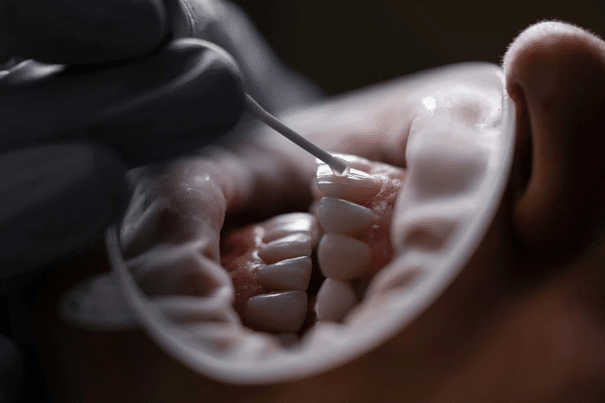
In-practice teeth whitening involves the application of whitening agents, usually based on hydrogen peroxide or carbamide peroxide. These substances penetrate the tooth enamel to break down the pigments responsible for staining. Under professional supervision, the treatment is carefully controlled to achieve effective whitening while minimising risks to the enamel. Depending on the severity of the stains and tooth sensitivity, several sessions may be needed to achieve the desired result. In many cases, however, an initial improvement is visible after the first session.

Microabrasion for fluorosis
Microabrasion to treat fluorosis

Microabrasion is a targeted technique used to correct enamel imperfections, particularly stains caused by fluorosis following excess fluoride exposure during childhood. The treatment removes a very thin layer of enamel using a special mixture containing acid and mild abrasive agents. It is carried out under a dentist's supervision and requires precision to preserve the integrity of the teeth. Microabrasion can significantly improve the appearance of the teeth by removing embedded stains while preserving their natural structure. It is particularly suitable for patients with shallow, localised stains.

Dental polishing
Dental polishing

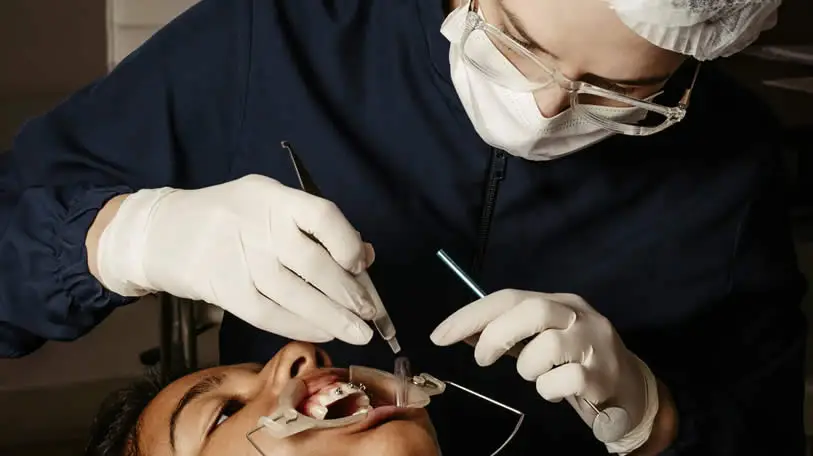
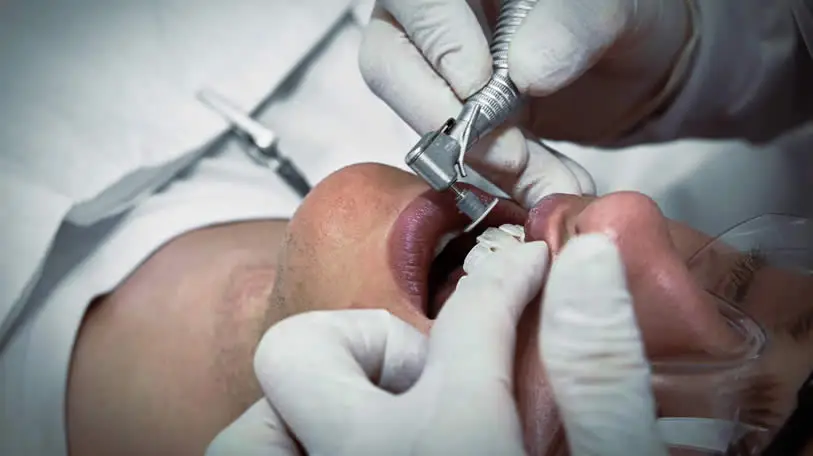
Dental polishing is a simple, non-invasive procedure that removes superficial stains caused by plaque or tartar deposits and by strongly coloured foods and drinks. During polishing, the dentist uses a special, mildly abrasive paste and a rotating brush to clean the surface of the teeth. As well as restoring brightness, this treatment smooths the enamel surface, which can make it less prone to future deposits. It is a relatively quick procedure that does not require an anaesthetic and may be combined with scaling where appropriate.

Icon resin infiltration for white stains

Icon resin infiltration is used to treat white stains, which are often caused by enamel demineralisation, for example after orthodontic treatment. Unlike techniques that remove or abrade enamel, this method infiltrates a clear resin directly into the discoloured areas. This masks the stains by making their appearance more consistent with the rest of the tooth. The procedure is quick, painless and preserves the enamel structure, with a visible improvement soon after treatment. It may be particularly suitable for patients with diffuse stains or stains on visible areas of the teeth, without the need for a more invasive treatment.

Removing stains from teeth

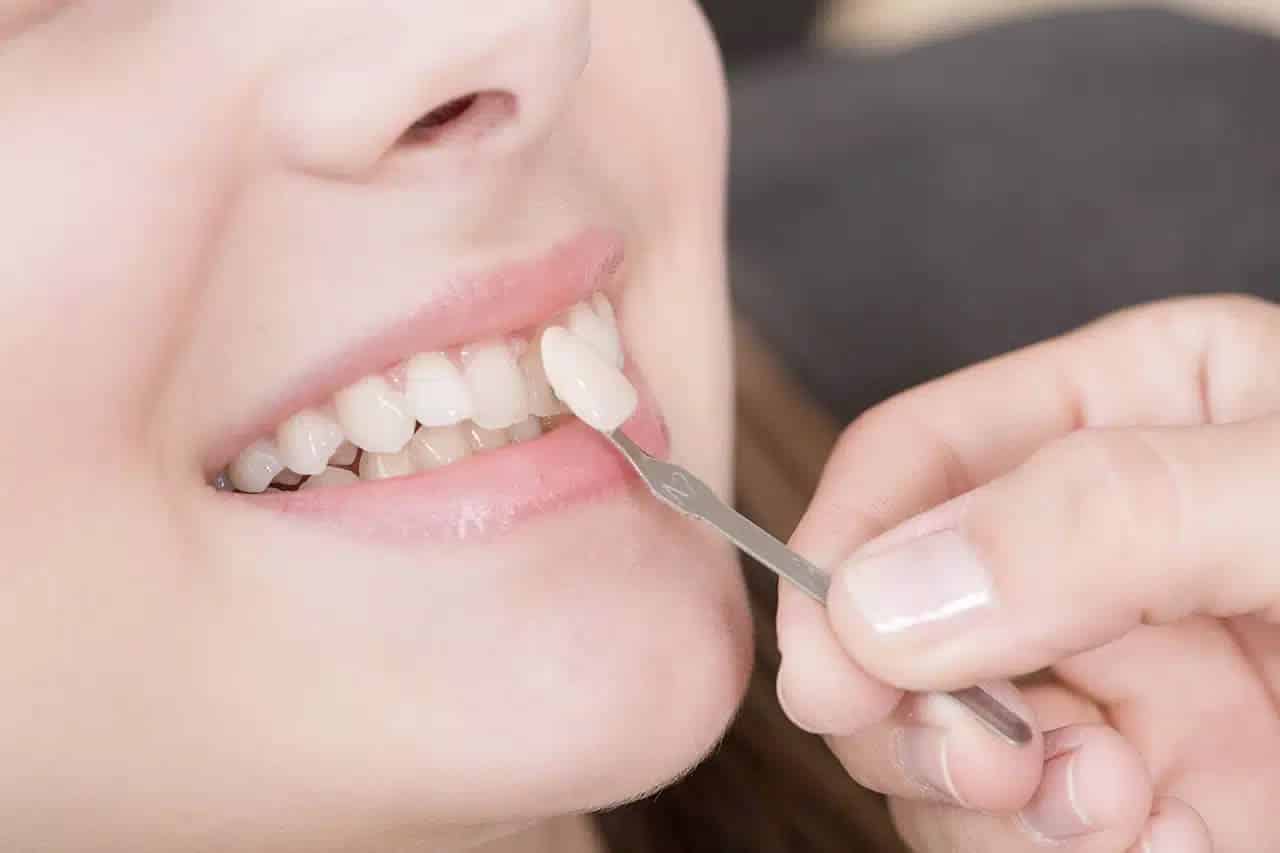
Could dental veneers help?

The practitioners at Cabinet Dentaire de la Madeleine are here to advise you.

Book an appointment
Removing stains from teeth

At-home options for removing stains from teeth

Important: social media and magazines are full of home remedies that promise a brighter smile, but caution is essential. Although these methods are often presented as miracle solutions, many are abrasive and may do more harm than good. The dental professionals at Cabinet Dentaire de la Madeleine advise against these techniques because of their potential to damage tooth enamel. To protect your smile, seek professional advice and a treatment tailored to your needs.

Removing stains from teeth

Products used to whiten teeth at home

Whitening strips
Whitening strips

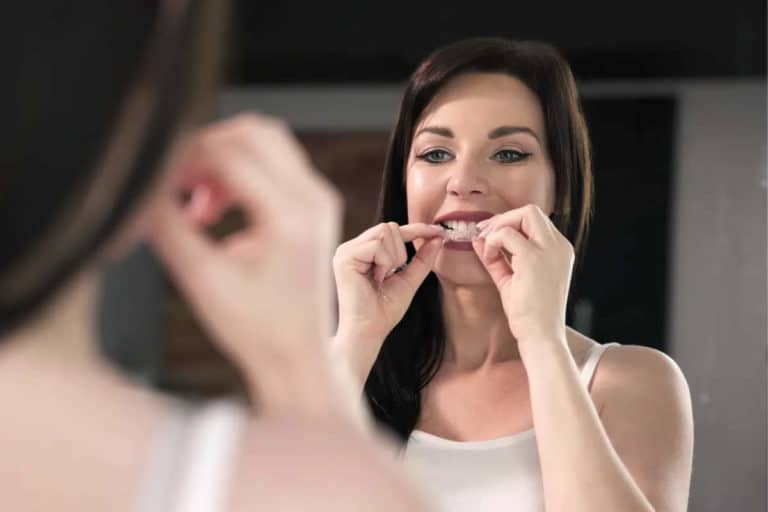
Whitening strips are a popular at-home option, particularly on social media. Easy to use and discreet, they adhere directly to the teeth and contain a whitening gel similar to that found in whitening kits. Strips are designed for the upper and lower teeth and are generally worn for 20 to 60 minutes, depending on the product's concentration. A change may be visible after one or two weeks of regular use. It is important to position the strips correctly to avoid uneven whitening and to follow the stated application time to reduce the risk of gum irritation.

Whitening kits

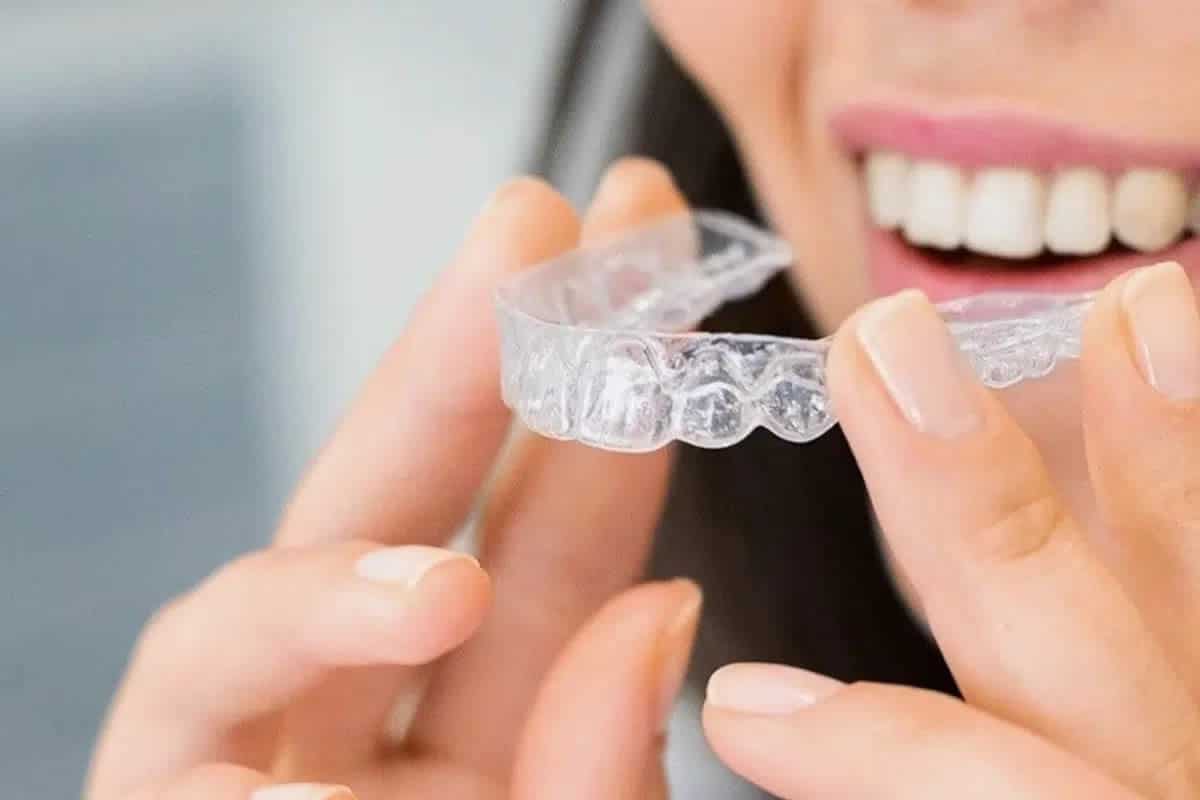
Whitening kits are a common option for whitening teeth at home. Available from pharmacies, online or from a dentist, they usually contain gels based on hydrogen peroxide or carbamide peroxide. The kits also include custom-made or universal trays, into which the gel is placed before the tray is fitted over the teeth. Whitening may take several days or weeks depending on the product concentration and frequency of use. A change may be visible after a few applications, but the instructions must be followed carefully to avoid gum irritation or tooth sensitivity.

Whitening toothpastes

Whitening toothpastes are a convenient option for daily use. They contain mild abrasives or ingredients such as bicarbonate of soda or peroxide, which help remove superficial stains caused by coffee, tea or tobacco. Unlike whitening kits, these toothpastes act only on external stains and do not alter the tooth's intrinsic colour. They may help maintain the results of whitening treatment or limit the build-up of new surface stains. However, highly abrasive toothpastes should not be used over long periods, as they can wear the enamel and increase sensitivity.

Removing stains from teeth

Tips claiming to whiten teeth naturally

Bicarbonate of soda
Bicarbonate of soda

Bicarbonate of soda is a mild abrasive commonly used in attempts to whiten teeth naturally. However, the dental professionals at Cabinet Dentaire de la Madeleine advise against frequent use at home because excessive use can damage the enamel. Although it may remove some surface stains, it is best to consult a professional about safer, more suitable alternatives.

Lemon and activated charcoal

Although lemon is often promoted for its whitening properties, its acidity can erode enamel and make teeth more vulnerable. Activated charcoal may also seem promising, but its abrasive nature can damage enamel. The dental professionals at Cabinet Dentaire de la Madeleine recommend avoiding these methods and choosing professionally supervised treatments that protect oral health.

Hydrogen peroxide

Hydrogen peroxide is an effective whitening agent commonly used in professional treatments. Improper use at home, particularly at an excessive concentration, can cause gum irritation, increased sensitivity and damage to the enamel. It should therefore only be used with care, ideally under professional supervision or as part of an approved product used exactly as directed.

Oil pulling with coconut oil

Oil pulling is a traditional Ayurvedic practice that involves swishing oil, usually coconut oil, around the mouth for about five minutes. It is claimed to draw toxins and bacteria from the mouth and to help reduce plaque. Evidence that oil pulling can whiten teeth effectively is limited, and it does not replace brushing, interdental cleaning or professional dental care. The dental professionals at Cabinet Dentaire de la Madeleine emphasise that this method is not sufficient to whiten the teeth.

Removing stains from teeth

Prevention: reducing future tooth staining

Tooth-friendly dietary habits

To limit the recurrence of stains, reduce strongly coloured drinks such as coffee, tea and red wine, as well as sugary or acidic foods.

Oral hygiene

Good oral hygiene is also essential. Brush regularly with a suitable toothpaste and clean between the teeth with floss or interdental brushes. A mouthwash may be recommended in some circumstances. To avoid damaging enamel, wait around 30 minutes before brushing after consuming acidic foods or drinks. This allows the mouth's pH to stabilise and saliva to help neutralise the acidity, reducing the risk of enamel erosion.

Regular dental visit

Finally, regular dental examinations allow problems to be detected at an early stage and help maintain good oral health. Your dentist will advise how often you should attend based on your individual needs.

Removing stains from teeth

Consult a cosmetic dentist at Cabinet Dentaire de la Madeleine

For personalised advice and treatment suited to your needs, consult a cosmetic dentist. At Cabinet Dentaire de la Madeleine, we provide a professional assessment and tailored solutions to treat stains on your teeth while supporting the overall health of your smile.

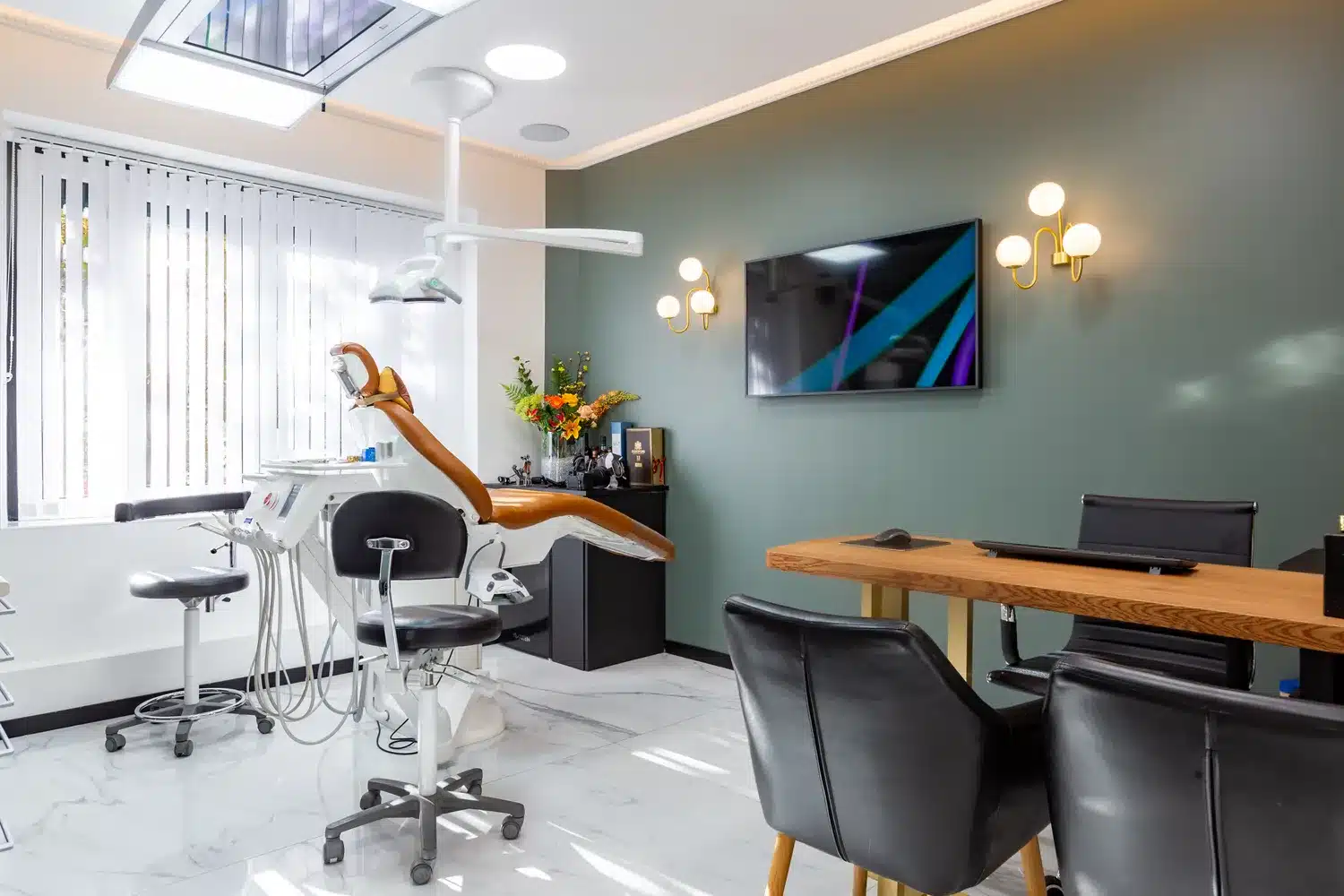
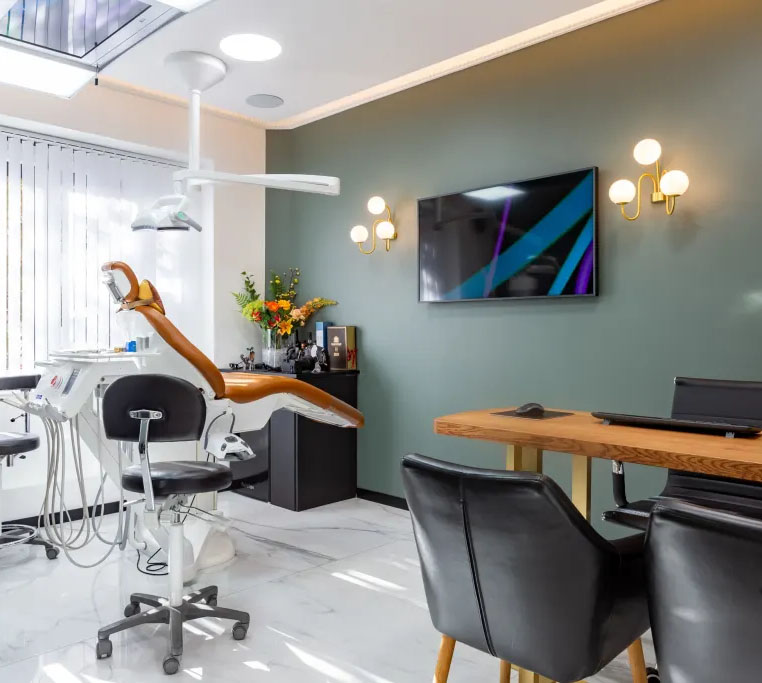
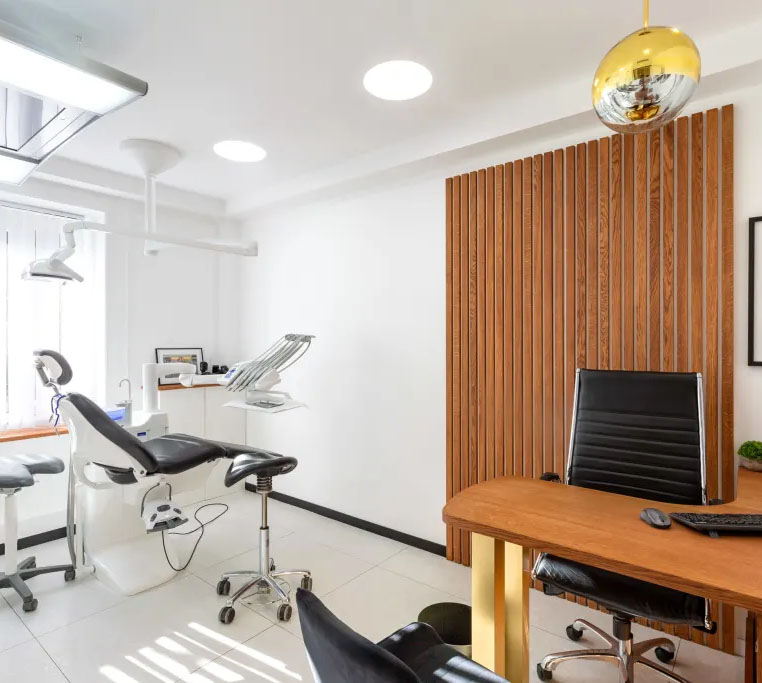
Treatment room at Cabinet Dentaire de la Madeleine
Removing stains from teeth

FAQ

Why do I have stains on my teeth?

Stains on the teeth can have several causes. They are often linked to foods and drinks such as coffee, tea or red wine, smoking, inadequate oral hygiene or the natural ageing of enamel. Certain medical conditions or medicines may also cause discolouration. Good oral hygiene and limiting strongly coloured foods and drinks can help reduce surface staining.

Are there home remedies for removing stains from teeth?

Home remedies such as bicarbonate of soda and activated charcoal are often promoted for removing tooth stains, but their abrasive nature can damage enamel. Consult a dentist before trying any whitening method. A professional assessment can identify the type and cause of the stain and determine a safer treatment.

How do dentists remove stains from teeth?

Dentists use several professional techniques to remove tooth stains. Scaling and polishing can remove tartar and superficial staining. For more persistent discolouration, professionally supervised teeth whitening or another treatment suited to the cause may be recommended.

Can stains on teeth be permanent?

Some discolouration can be difficult to remove, including staining linked to medicines such as tetracycline or to dental trauma. In these cases, treatments such as dental veneers may be considered to mask the discolouration after a clinical assessment.

What are the best ways to prevent tooth stains?

To help prevent tooth stains, maintain good oral hygiene by brushing regularly with a suitable toothpaste and cleaning between the teeth. Limit foods and drinks that stain, such as coffee, tea, fizzy drinks and red wine, and reduce or stop smoking. Regular dental visits also help maintain healthy teeth and allow surface deposits to be managed appropriately.

Book an appointment

Contact our dental practice
 in Paris Madeleine

8 Boulevard de la Madeleine, 75009 Paris

MMadeleine (lignes 8, 14 et 12) et Opéra (ligne 3)
BUSMadeleine – Vignon (lignes 42 et 52)
RERAuber (ligne A)
PMadeleine-Tronchet (21 Pl. de la Madeleine, 75008 Paris)
PEdouard 7 (16 Rue Bruno Coquatrix, 75009 Paris)
Ouvert du lundi au samedi — 09h30-19h LUN / VEND - 09h30-19h
WhatsApp Tél Mail