


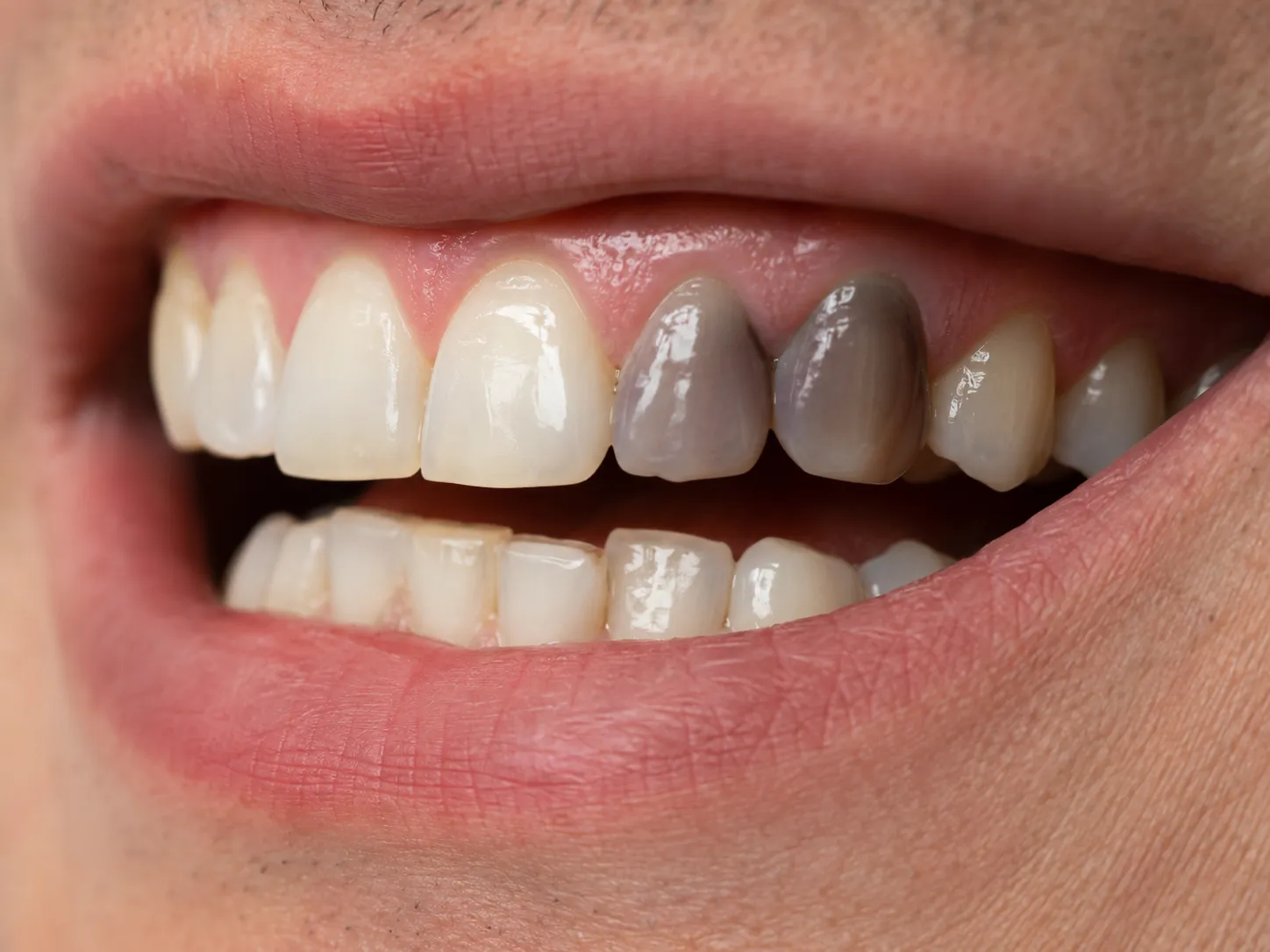
A blow to a tooth can damage the dental pulp. Ruptured blood vessels cause internal bleeding that turns the tooth grey. This often occurs following trauma, in both adults and children.

Treatments
Your needs
Nos soins
Vos besoins
Nos soins
Vos besoins
Restore your smile's natural radiance
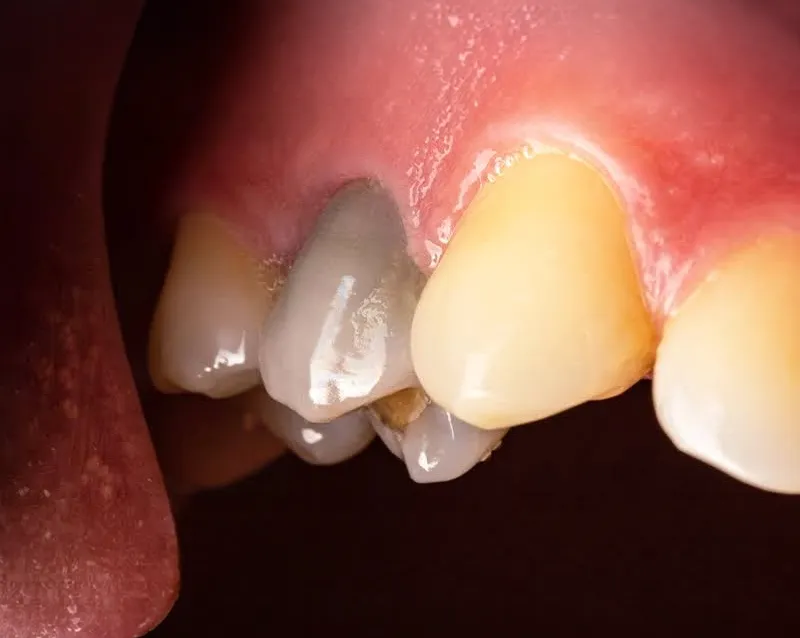
A healthy tooth is white and opaque thanks to its enamel. However, it may be described as grey when it takes on a dark shade, ranging from grey to black. This often occurs after dental trauma. A translucent tooth, by contrast, is characterised by thinning enamel. The edge of the tooth, usually around the incisors, becomes more translucent, allowing the underlying dentine to show through. This translucency results from gradual enamel wear, as the enamel loses its protective thickness and natural opacity.
Before treating a problem, its cause must first be identified. Several factors may explain changes in the colour or translucency of teeth:
A blow to a tooth can damage the dental pulp. Ruptured blood vessels cause internal bleeding that turns the tooth grey. This often occurs following trauma, in both adults and children.
When deep decay or an infection kills the pulp, the tooth no longer receives a blood supply and gradually becomes dull. Teeth that have undergone root canal treatment often develop a grey shade over time.
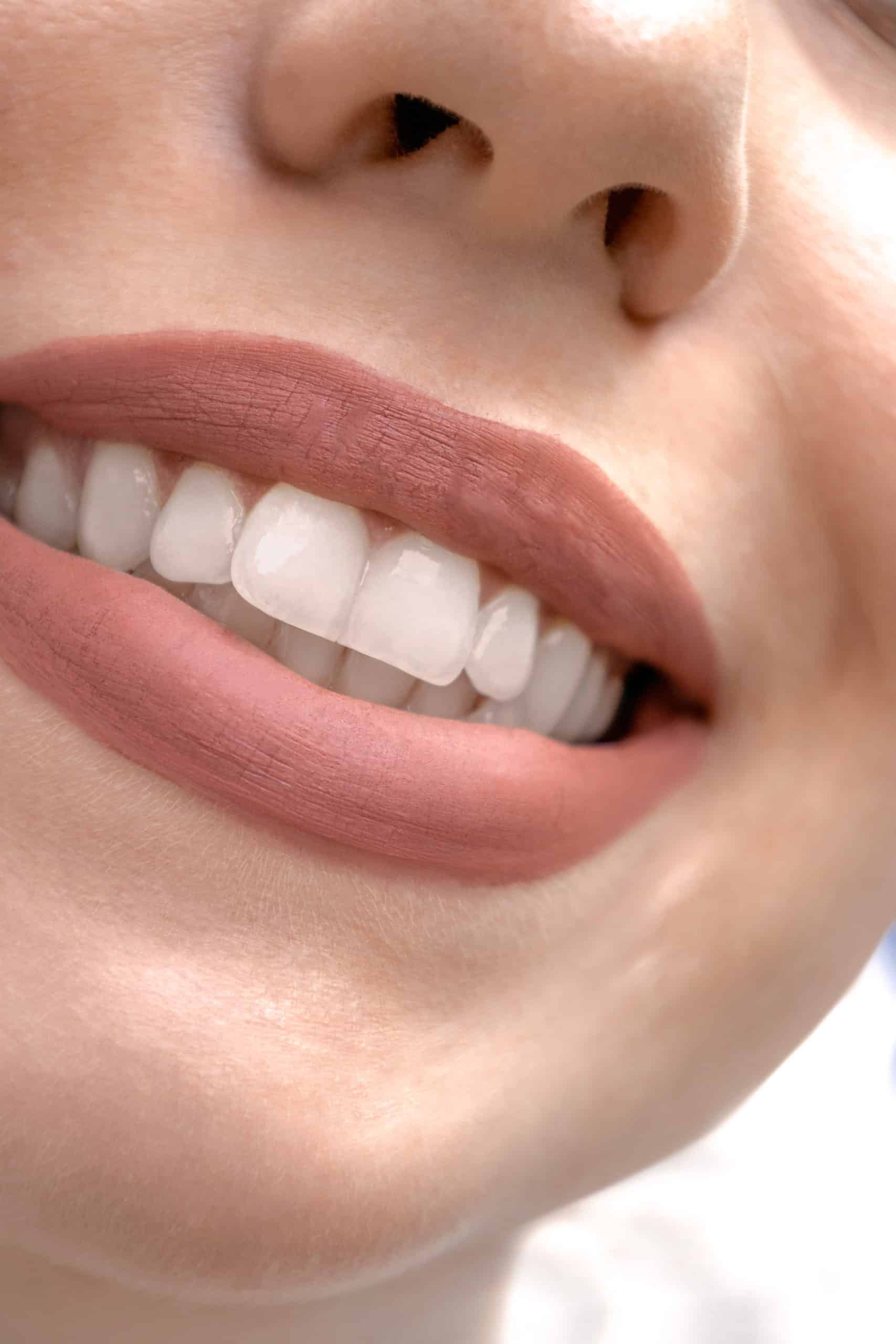
Certain medicines taken during childhood can stain the enamel grey or brown. Similarly, enamel development defects can make it thinner, allowing greyish or translucent dentine to show through.
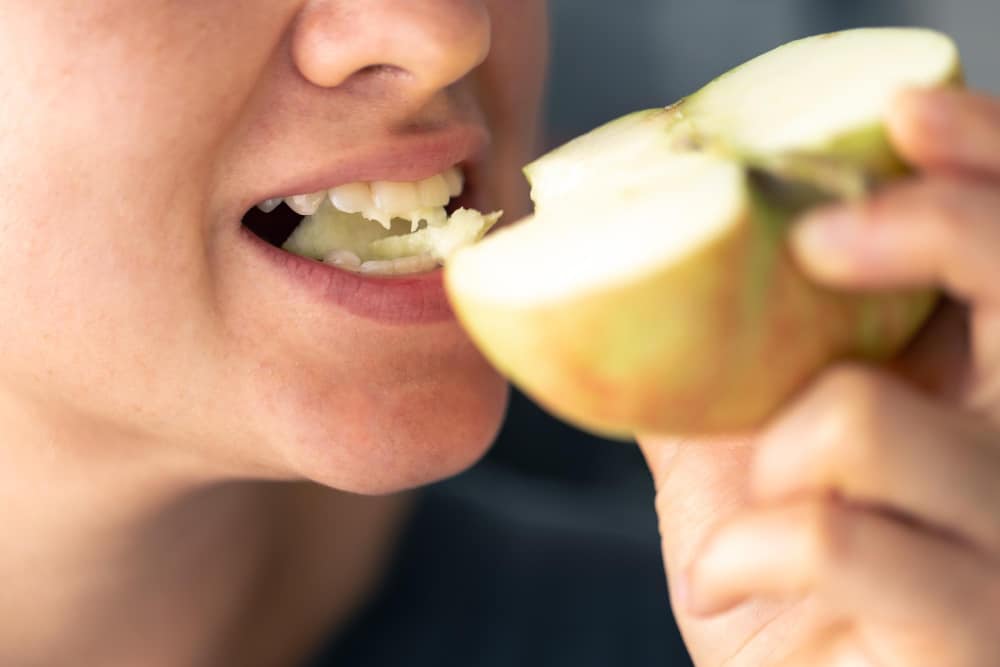
Regular consumption of acidic foods and drinks attacks the enamel by gradually dissolving it. The enamel becomes increasingly thin, giving the teeth a translucent appearance. At the same time, staining substances such as coffee, tea, red wine and tobacco can mark the tooth surface and create a superficial greyish shade.
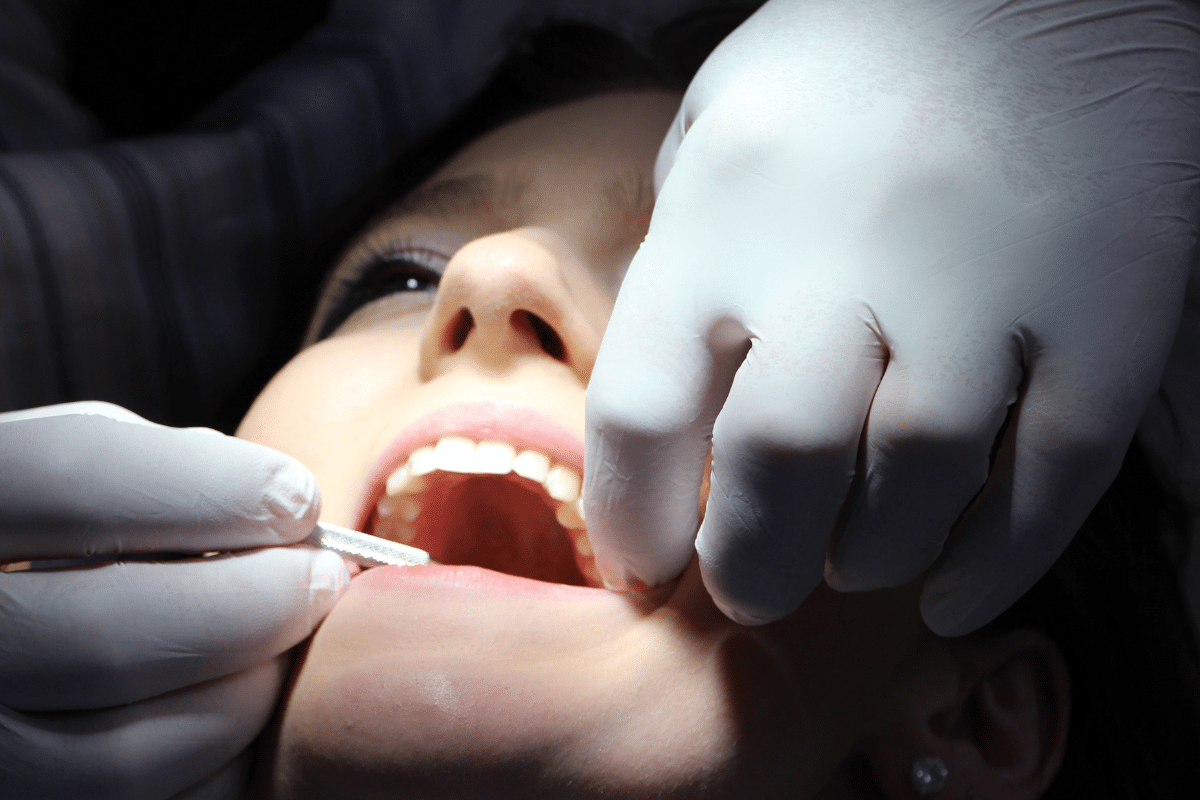
Teeth grinding (bruxism) mechanically wears down the enamel and contributes to tooth translucency. Health conditions such as gastro-oesophageal reflux or bulimia expose teeth to stomach acids, contributing to enamel erosion. Reduced saliva production caused by certain medicines or illnesses removes the mouth's natural protection against dietary acids, encouraging enamel wear. Finally, over time, metal restorations (fillings) may release ions that ‘tattoo’ the tooth from within, giving it a greyish shade.
Our cosmetic dentists are here to advise you!
book an appointmentA change in the colour or structure of your teeth will never resolve on its own. Ignoring these signs can lead to serious complications. Prompt treatment not only restores appearance but also helps preserve the tooth and your general health. Professional dental care is therefore necessary if you notice that:
At Cabinet Dentaire de la Madeleine, a dental practice on Boulevard de la Madeleine in Paris, you benefit from effective treatment provided by a multidisciplinary team dedicated to the complete aesthetic care of your smile:
Every patient receives personalised care from experienced dentists. Combining technical precision with advanced innovations such as digital smile design and 3D imaging, our approach ensures that care is delivered under optimal conditions and in accordance with the strictest standards.
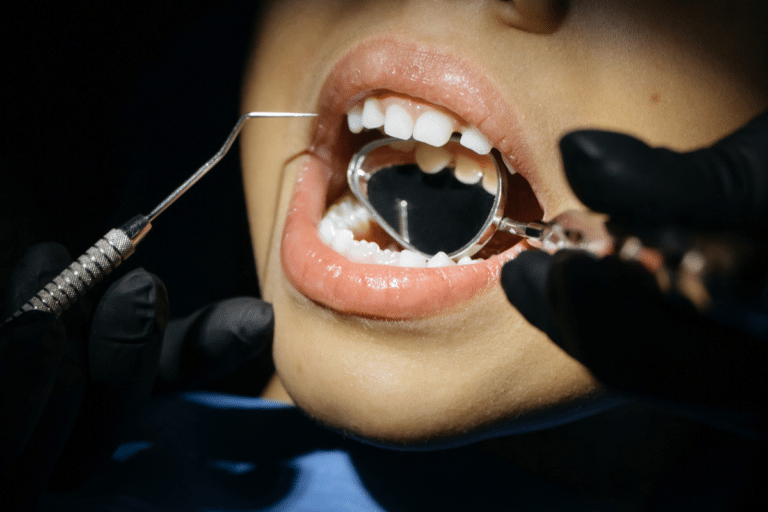
Ask your questions, send a photo of your smile and receive initial guidance from our team, simply by message, wherever you are.
Treatment for a discoloured or worn tooth always depends on its cause and your expectations. The most common situations differ according to the origin of the problem and the appropriate response.
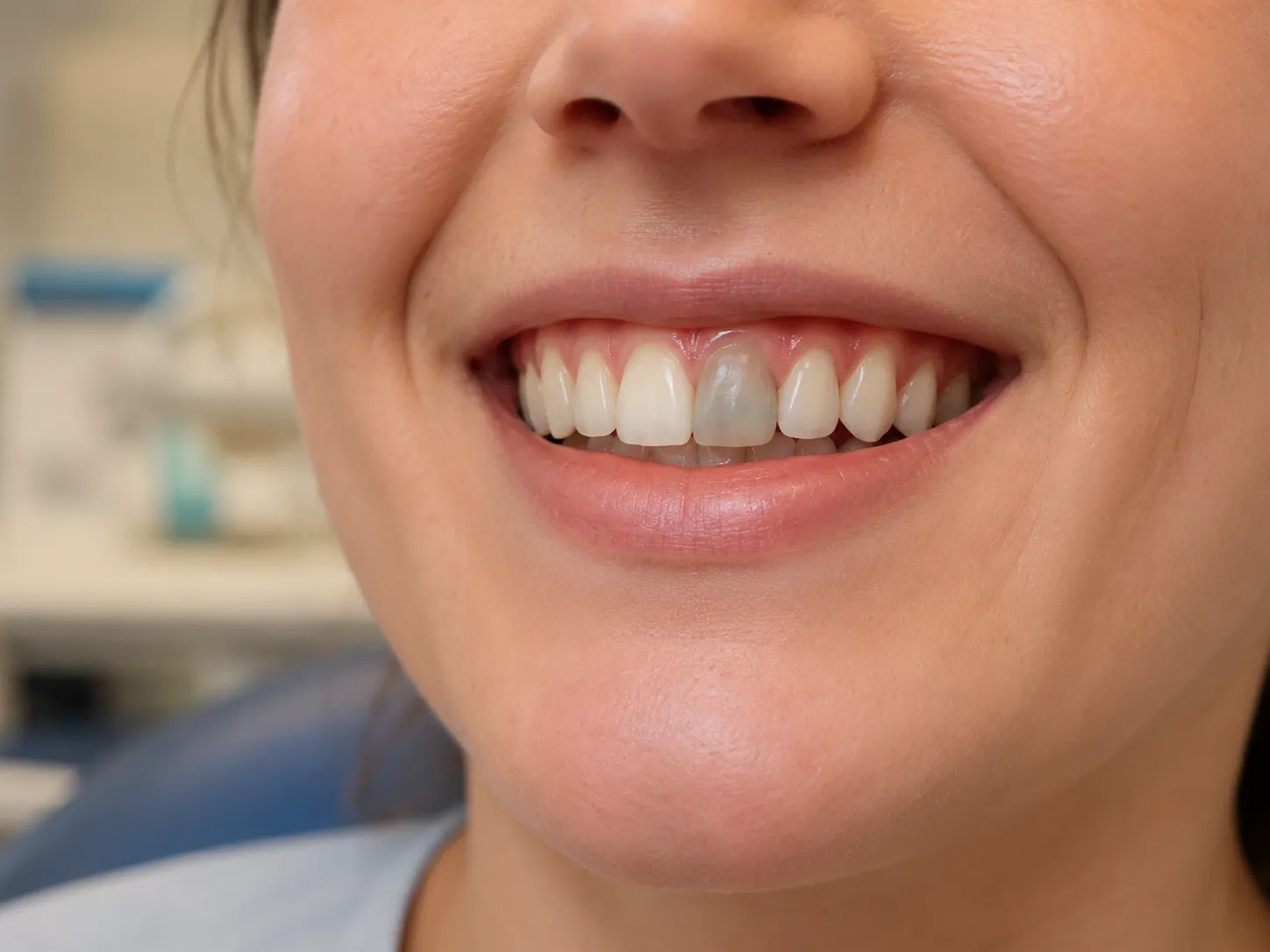
A previous impact or infection can damage the dental pulp. When the pulp dies, the tooth no longer receives nourishment from within, loses its vitality and natural shade, and gradually becomes greyish. Over time, it also becomes more fragile and prone to cracking. External whitening alone is ineffective because the discolouration comes from within.
Treatment: Internal whitening is recommended. A whitening product is placed inside the tooth to restore its original colour. For a weakened tooth, the first step is often root canal treatment to clean the tooth and prevent infection. A ceramic crown is then fitted to protect it over the long term.
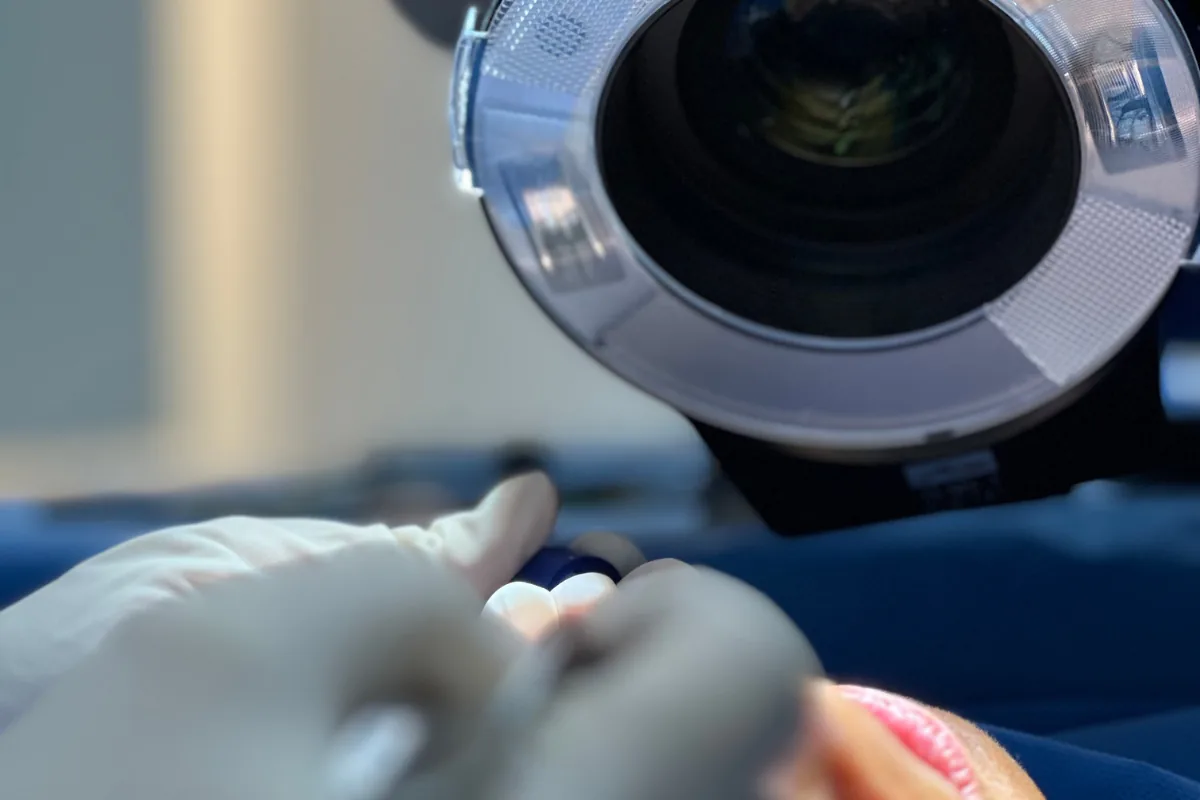
Some deep grey shades are embedded in the structure of the tooth itself. This is often linked to taking antibiotics such as tetracyclines during childhood or to genetic abnormalities. This type of discolouration does not respond to whitening techniques either.
Treatment: To correct the appearance over the long term, the discolouration must be concealed. Ceramic dental veneers are the recommended solution. These thin, custom-made ceramic shells cover the visible surface of the tooth. Alternatively, ceramic crowns may be used for teeth that are already weakened or where the internal shade is very dark.
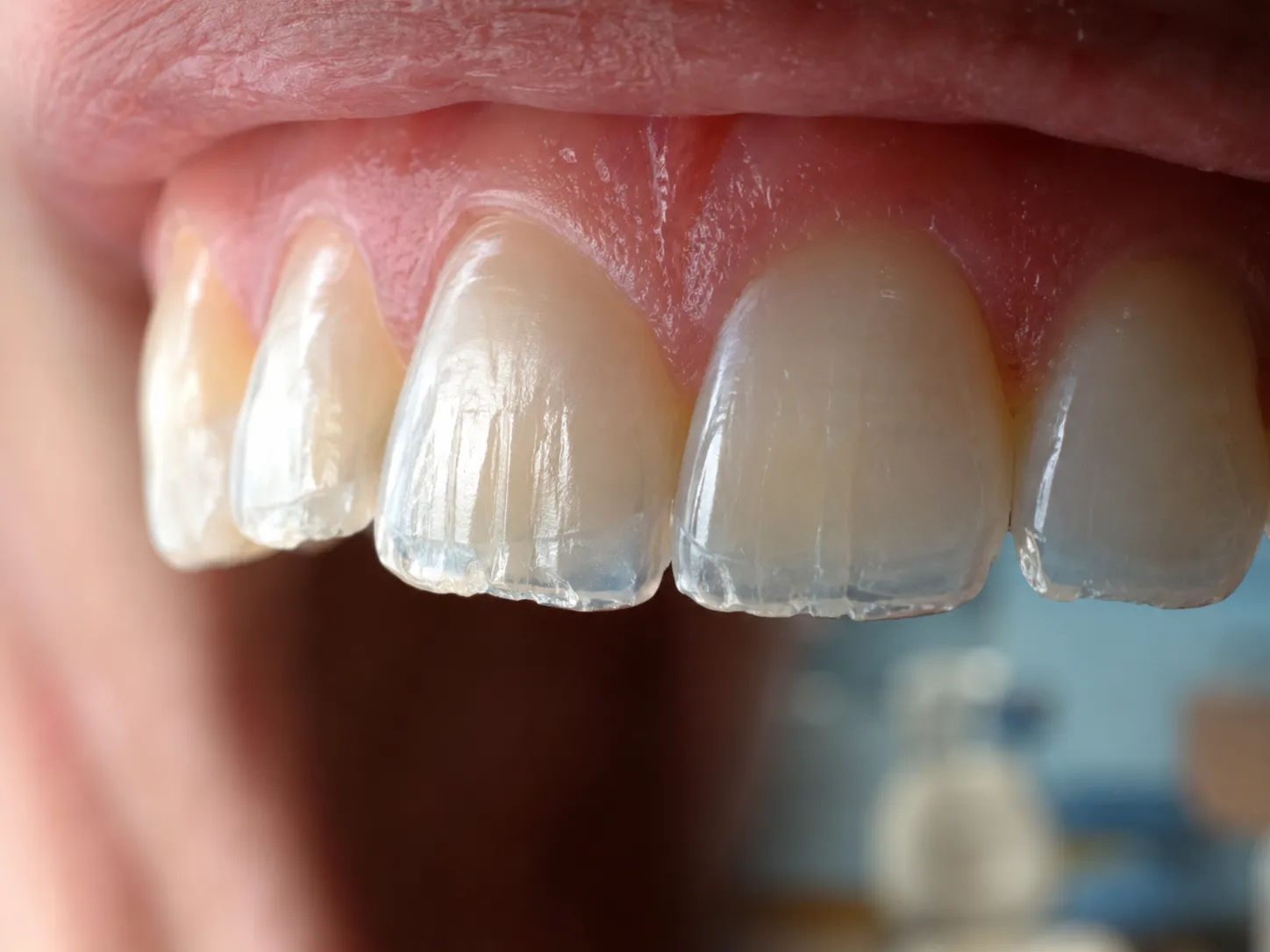
Translucency appears when enamel, the tooth's protective outer layer, becomes thinner or weaker. The edges of the teeth then become translucent and brittle. This wear is generally caused by acidity or bruxism.
Treatment: Treatment depends on the extent of the enamel loss. For mild wear, a thin layer of aesthetic composite can be applied in a single appointment to rebuild the tooth's surface and opacity. When wear is more extensive, ceramic veneers offer a durable solution by covering the visible surface, protecting the remaining enamel and evening out the colour.
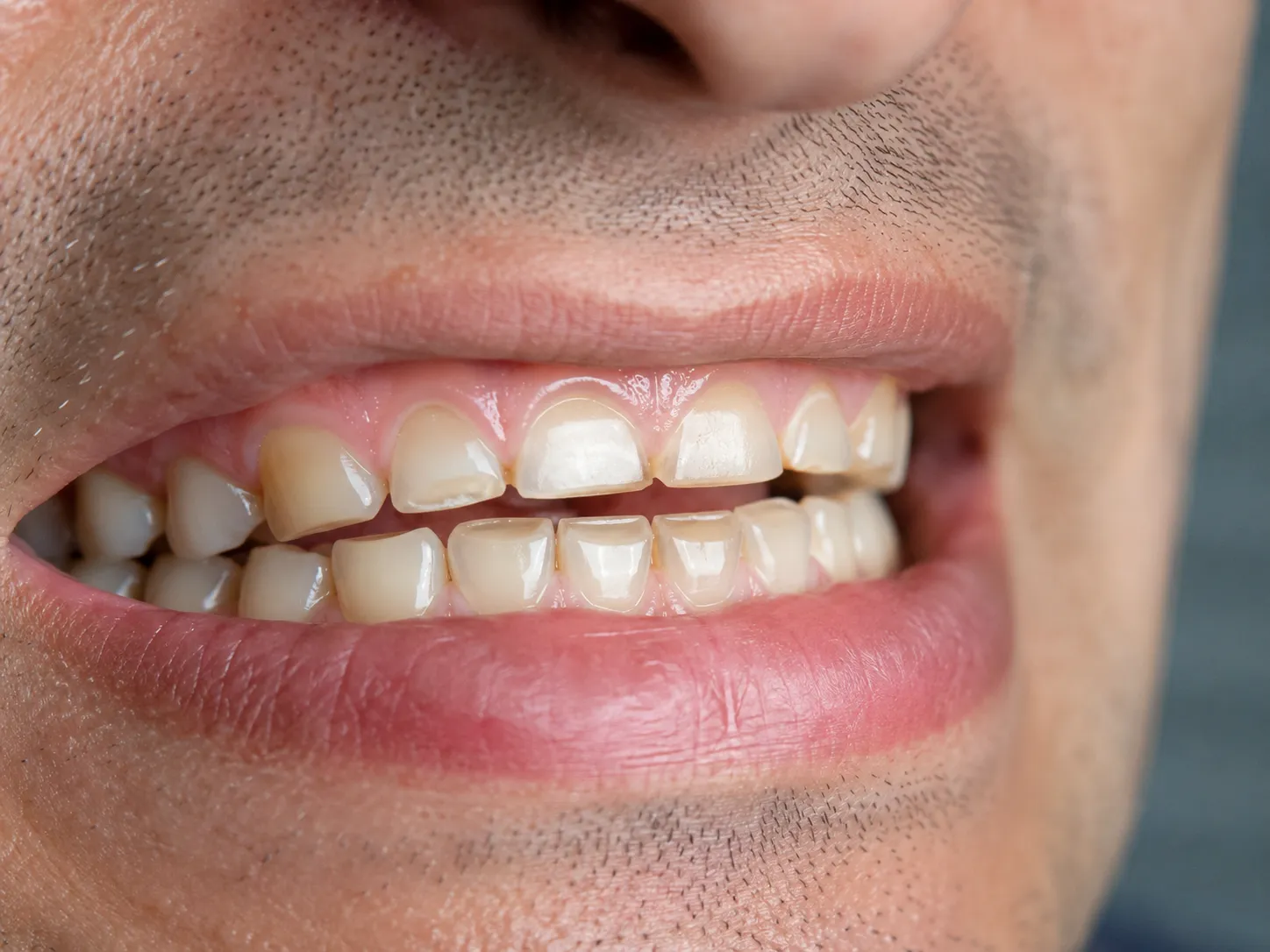
Involuntary grinding or clenching causes widespread premature wear. The teeth become shorter, translucent and sensitive. Addressing appearance without eliminating the cause is ineffective.
Treatment: The approach has two stages. The first is to protect the teeth with a custom-made occlusal guard worn at night, which stops further wear. Once the cause is under control, the second stage repairs the aesthetic damage with composite or veneers.
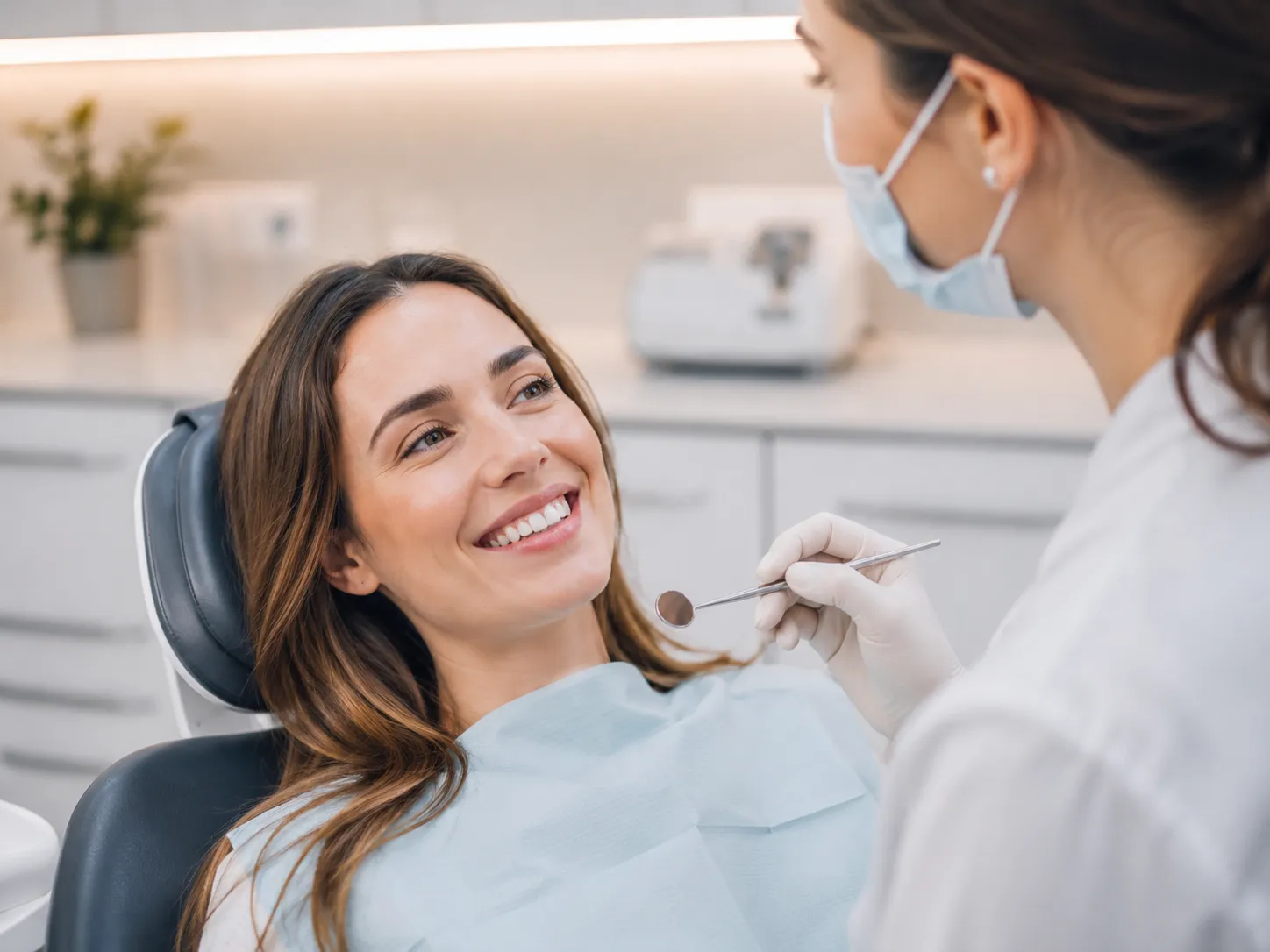
After cosmetic treatment, regular follow-up is essential to ensure that the results last. Cabinet Dentaire de la Madeleine provides tailored follow-up care, including oral examinations, follow-up X-rays, personalised hygiene advice and additional treatment where needed.
Cabinet Dentaire de la Madeleine brings together several complementary areas of expertise, including cosmetic dentistry, endodontics, prosthodontics and orthodontics. Our aim is to provide our patients with comprehensive, personalised care.
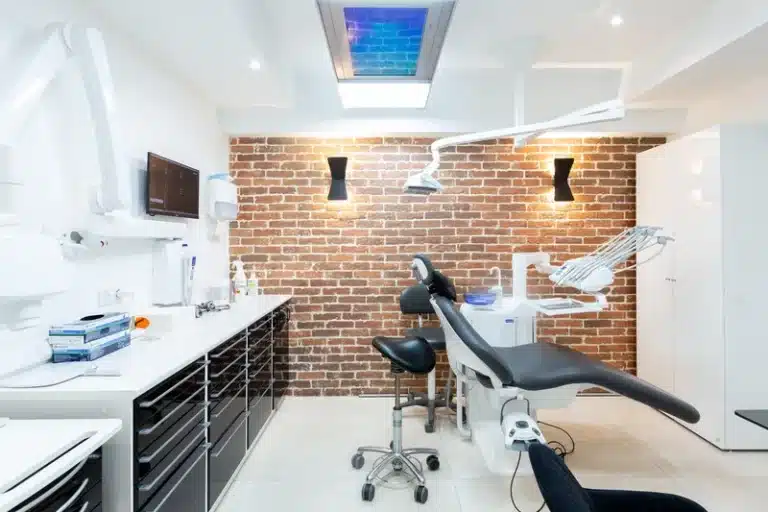
Our advanced technical facilities, including 3D imaging, intraoral scanners and digital smile design tools, enable us to analyse tooth structure, enamel thickness and the origin of discolouration with precision. On this basis, we initially favour conservative solutions such as remineralisation, composite restorations or internal whitening where indicated. If necessary, we then use durable aesthetic restorations such as veneers or ceramic crowns.
Each treatment plan aims to restore function, protect the tooth and achieve a natural-looking aesthetic result. Every procedure is carried out in strict compliance with hygiene and sterilisation protocols, with tailored follow-up to support the longevity of treatment and prevent recurrence.
Fees vary according to the technique used, whether composite, veneer or crown, and the complexity of the case. Some procedures may be partially reimbursed by French social security. However, cosmetic veneers and crowns often receive little or no cover. For more information, contact us for a personalised quotation after a consultation.
A well-placed composite restoration can last for several years, while a veneer or ceramic crown can last for decades if properly cared for. Maintenance includes suitable brushing, flossing, regular check-ups and, where appropriate, wearing a night guard in cases of bruxism.
Diagnostic examinations and urgent care can be provided if necessary. However, some non-urgent cosmetic procedures and X-rays are often postponed until after the birth.
Yes, but they require coordination between the different disciplines.
Adopt a few simple habits: reduce acidic drinks and snacking, limit tobacco and staining foods and drinks, manage bruxism with a night guard, maintain good daily oral hygiene and attend regular appointments for check-ups and early detection.
Explore approaches that can improve the harmony of your smile.
Discover the treatment SurgeryIdentify the cause of tooth stains and the possible solutions for reducing them.
Discover the treatment SurgeryExplore approaches that can improve the harmony of your smile.
Discover the treatment SurgeryIdentify the cause of tooth stains and the possible solutions for reducing them.
Discover the treatment
Chirurgien-dentiste
Esthétique du sourire · Réhabilitation complexe · Implantologie
Book an appointment
Docteur en chirurgie dentaire
Esthétique du sourire
Book an appointment
Chirurgien-dentiste
A comprehensive approach to harmonising your smile.
Discover the treatment AestheticsBrighten the shade of your teeth at the practice or at home.
Discover the treatment AestheticsCorrect the shape, shade or certain imperfections of the teeth.
Discover the treatment AestheticsRebuild and harmonise the smile as a whole.
Discover the treatment AestheticsReduce marks caused by dental fluorosis.
Discover the treatment AestheticsA comprehensive approach to harmonising your smile.
Discover the treatment AestheticsBrighten the shade of your teeth at the practice or at home.
Discover the treatment AestheticsCorrect the shape, shade or certain imperfections of the teeth.
Discover the treatment AestheticsRebuild and harmonise the smile as a whole.
Discover the treatment AestheticsReduce marks caused by dental fluorosis.
Discover the treatment8 Boulevard de la Madeleine, 75009 Paris