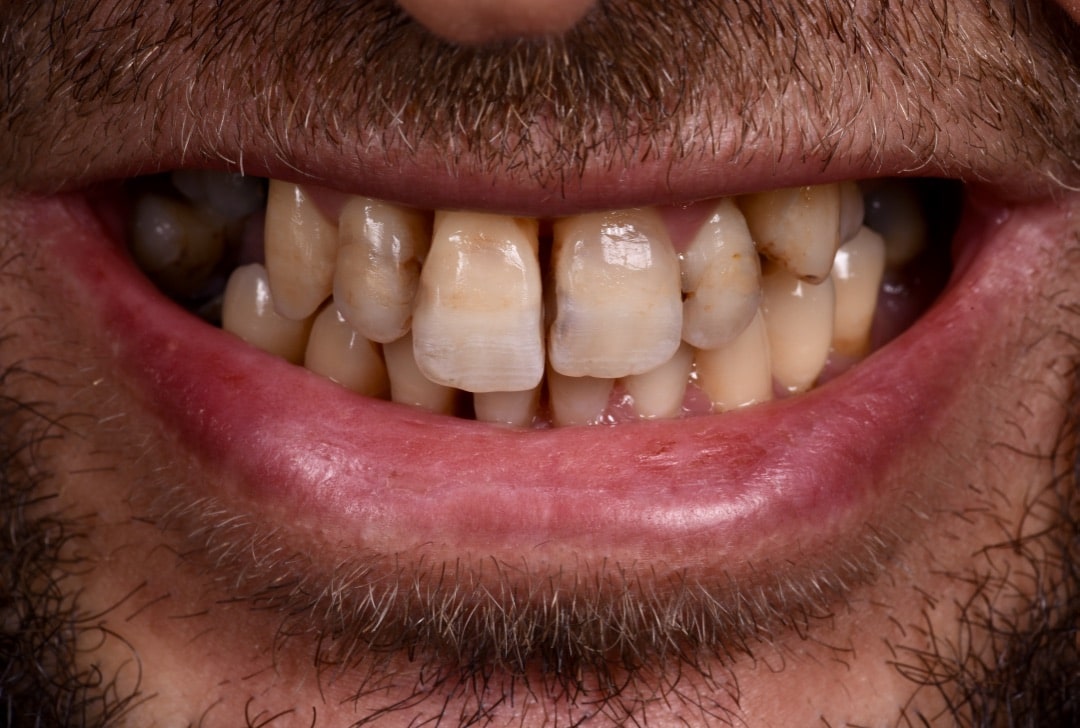
Full-mouth dental restoration: which solutions suit your situation?
Restore a complete, long-lasting smile
Restoring all your teeth is a decision that affects both your appearance and your wellbeing. Whether you wish to replace damaged teeth, have implants fitted or opt for dentures, effective,
long-lasting solutions are now available to restore your smile.
With advanced techniques such as implants, bridges and crowns, you can improve not only the appearance of your teeth but also your comfort and chewing function.
A dental assessment determines which teeth can be preserved. Your practitioner will then recommend the solution best suited to your situation and expectations.
Full-mouth dental restoration
Why consider full-mouth dental restoration?
When several teeth are missing, severely damaged or loose, eating and sometimes speaking can become difficult.
This treatment helps restore essential oral functions such as chewing and digestion, which are often affected by missing or damaged teeth.
As well as improving oral health, restoring your teeth can bring back everyday comfort and renewed confidence in your appearance by rebuilding your smile.
Whether following an illness or accident, or to correct imperfections, several bespoke solutions may be considered. The choice of treatment takes account of bone density, jaw structure and the patient's aesthetic expectations.
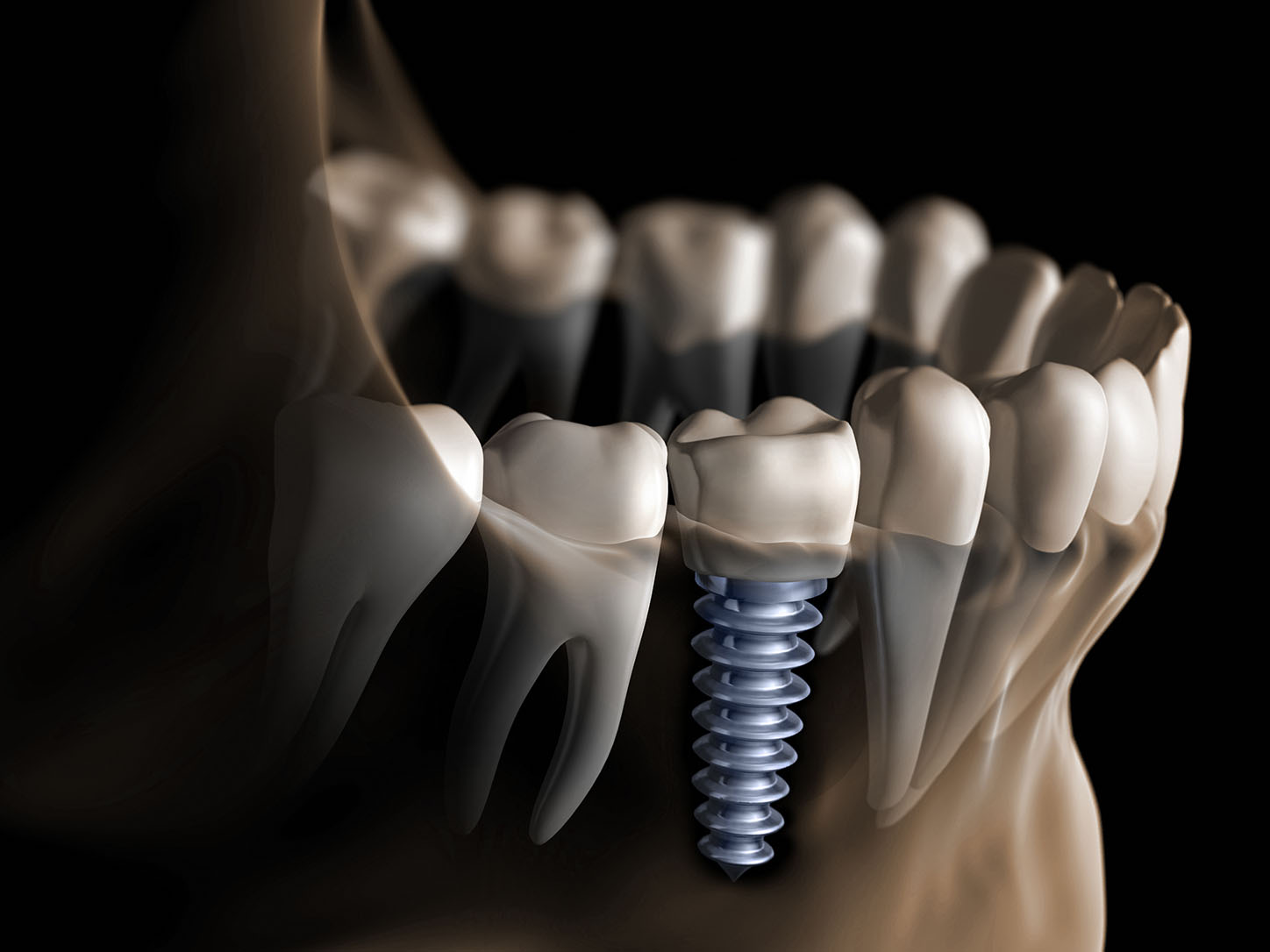
Dental implants provide a long-lasting solution for replacing one or more teeth, or even a complete arch. The treatment involves placing an artificial root in the jawbone to support a crown or bridge.
Avantages
Strong, aesthetic and fixed, designed to look similar to natural teeth.
TechniqueSurgical placement, integration with the bone, then fitting of the prosthesis.
A bone graft may be required before dental implants are placed when there is insufficient bone volume. This treatment strengthens or rebuilds the jawbone in preparation for an implant.
Avantages
Strengthens the bone structure and may make implant placement possible when bone volume is insufficient.
TechniqueGrafting with bone or a substitute material, followed by healing and preparation for implant placement, according to the selected protocol.
A bridge is a fixed dental prosthesis that replaces one or more missing teeth and is supported by neighbouring teeth or implants.
Avantages
A quick, aesthetic and fixed solution that restores chewing function and improves the appearance of the smile.
TechniqueThe bridge is custom-made in a laboratory from a dental impression. It is then tried in, adjusted and secured according to the type of bridge. Several types are available, including conventional bridges, resin-bonded or Maryland bridges, which are less invasive, and implant-supported bridges, which rest on implants rather than neighbouring teeth.
Suitable for certain fully or partially edentulous arches, All-on-4 and All-on-6 treatments are designed to replace a complete arch of teeth with a full implant-supported bridge.
Avantages
Restoration of a complete arch with a fixed prosthesis. All-on-4, for example, uses four implants to support a full prosthesis.
TechniqueIn some situations, a temporary prosthesis can be secured on the day the implants are placed, in a single appointment. This option depends in particular on your circumstances and the results of your dental assessment.
Dental crowns are fixed prostheses that completely cover a damaged or root-treated tooth, providing protection and an improved appearance.
Avantages
They restore chewing function, protect weakened teeth and improve the appearance of the smile. With proper care, they can last for many years.
TechniqueThe procedure begins with preparation of the tooth, followed by an impression to create a bespoke crown. A temporary crown may be fitted while the permanent crown is being made. Crowns may be made from metal, ceramic or composite resin, depending on aesthetic and functional requirements.
Dental veneers are thin shells of porcelain or composite resin bonded to the front surface of the teeth to correct aesthetic imperfections.
Avantages
They improve the colour, shape and size of the teeth, with a natural-looking result. Veneers are used to correct teeth that are slightly misshapen or discoloured.
TechniqueVeneer treatment begins with a dental examination and impressions. Some enamel may need to be removed to ensure a precise fit. Ceramic veneers are then custom-made and bonded securely for a carefully finished aesthetic result. Composite veneers can be created directly on the teeth.
Removable dentures are appliances that replace one or more missing teeth and can be taken out easily for cleaning.
Avantages
A cost-effective solution that improves chewing function and can be made quickly. They are suitable for patients who cannot or do not wish to undergo dental surgery.
TechniqueThe process begins with a consultation and impressions of the jaw. Once made, the denture is adjusted to support comfort and function. Dentures may be complete, replacing all the teeth, or partial, replacing some teeth, and are often made from acrylic or resin.
The choice of treatment depends on several factors, including the condition of your teeth, your bone density and your expectations regarding appearance and comfort. An initial consultation with a dental surgeon is required to establish a personalised diagnosis. Following a thorough examination, they can guide you towards the appropriate solution.
A tooth that can be preserved may be repaired or covered with a crown. For missing teeth, the options may include a bridge, removable denture or implant-supported prosthesis. A complete arch requires a comprehensive assessment, without extracting teeth that can be preserved.
Is your main concern your incisors or canine teeth? Explore the solutions for restoring your front teeth.
This first stage allows the practitioner to assess the condition of the jaw, teeth and gums. It is also an opportunity to discuss the patient's expectations.
2
Treatment selection and planning
Based on the diagnosis, the dentist will propose several possible solutions, taking account of the available budget and time.
3
Treatment process
Depending on the chosen technique, implants, bridges or removable dentures are provided in several stages, which may include surgery, fabrication of the prostheses and adjustments.
4
Follow-up and care with your dental surgeon
Once treatment is complete, regular check-ups are essential to maintain the results over time.
Full-mouth dental restoration: how much does it cost?
The cost of full-mouth dental rehabilitation varies according to the techniques used (implants, bridges or removable dentures) and the materials selected (ceramic or zirconia). Dental implants, for example, are generally more expensive, while removable dentures are more affordable. You should request a personalised quotation from your dentist to plan your budget more accurately.
The price of an implant alone does not represent the total cost of rehabilitation. The quotation details the care, prosthesis and any temporary stages.
Available payment options and insurance reimbursement
Cover varies according to the nature of the treatment, the reimbursement basis and your supplementary health insurance policy. You will receive a detailed quotation before treatment so that you can contact your insurer.
Payment arrangements may be considered on request, in accordance with applicable rules. The team will explain the terms when presenting your treatment plan.
Of course. Send us a photo and we will guide you.10:24
Here it is 📸10:25 ✓✓
Full-mouth dental restoration
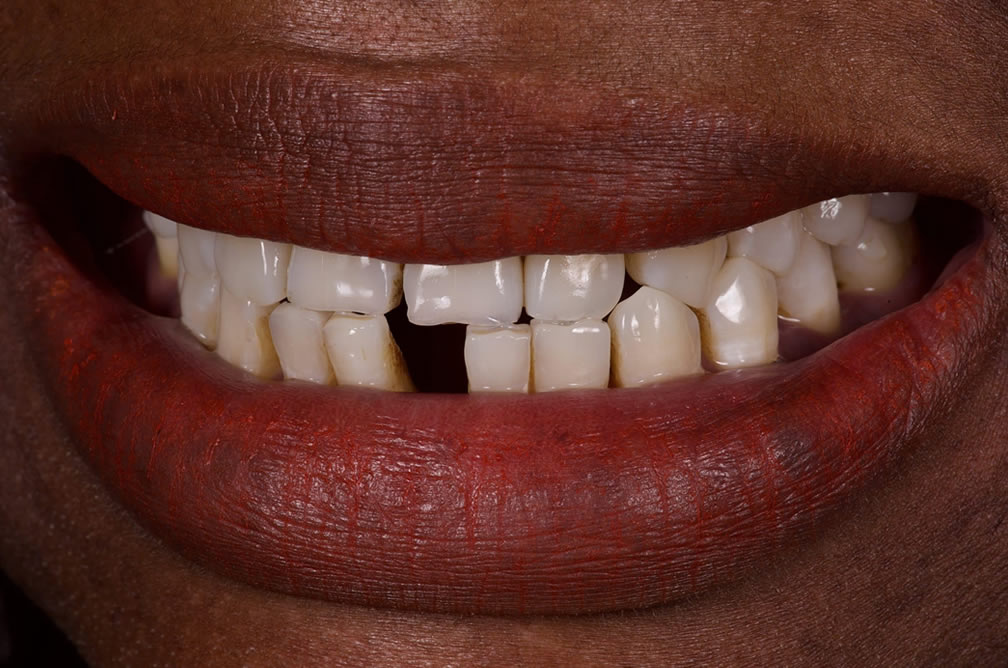
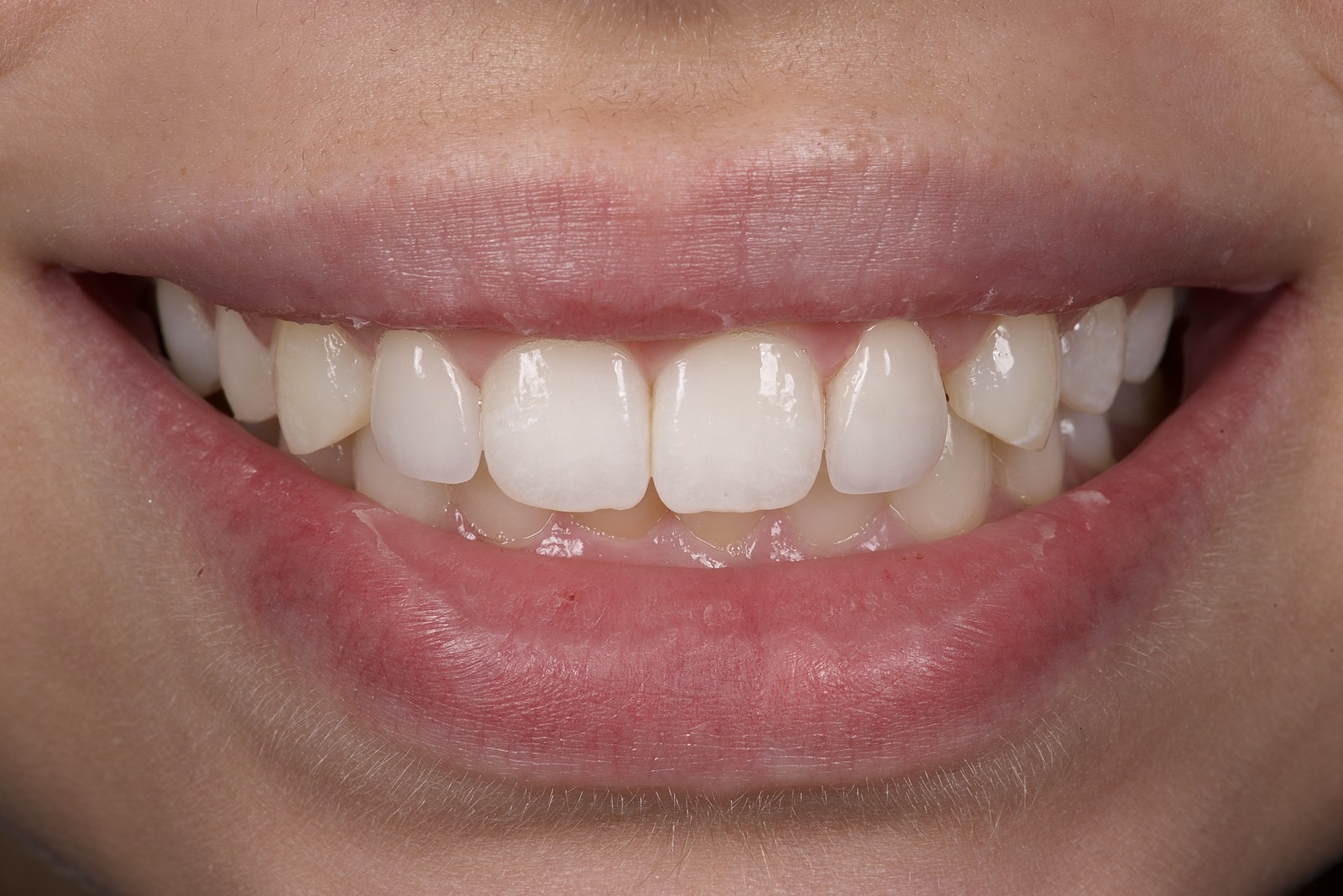
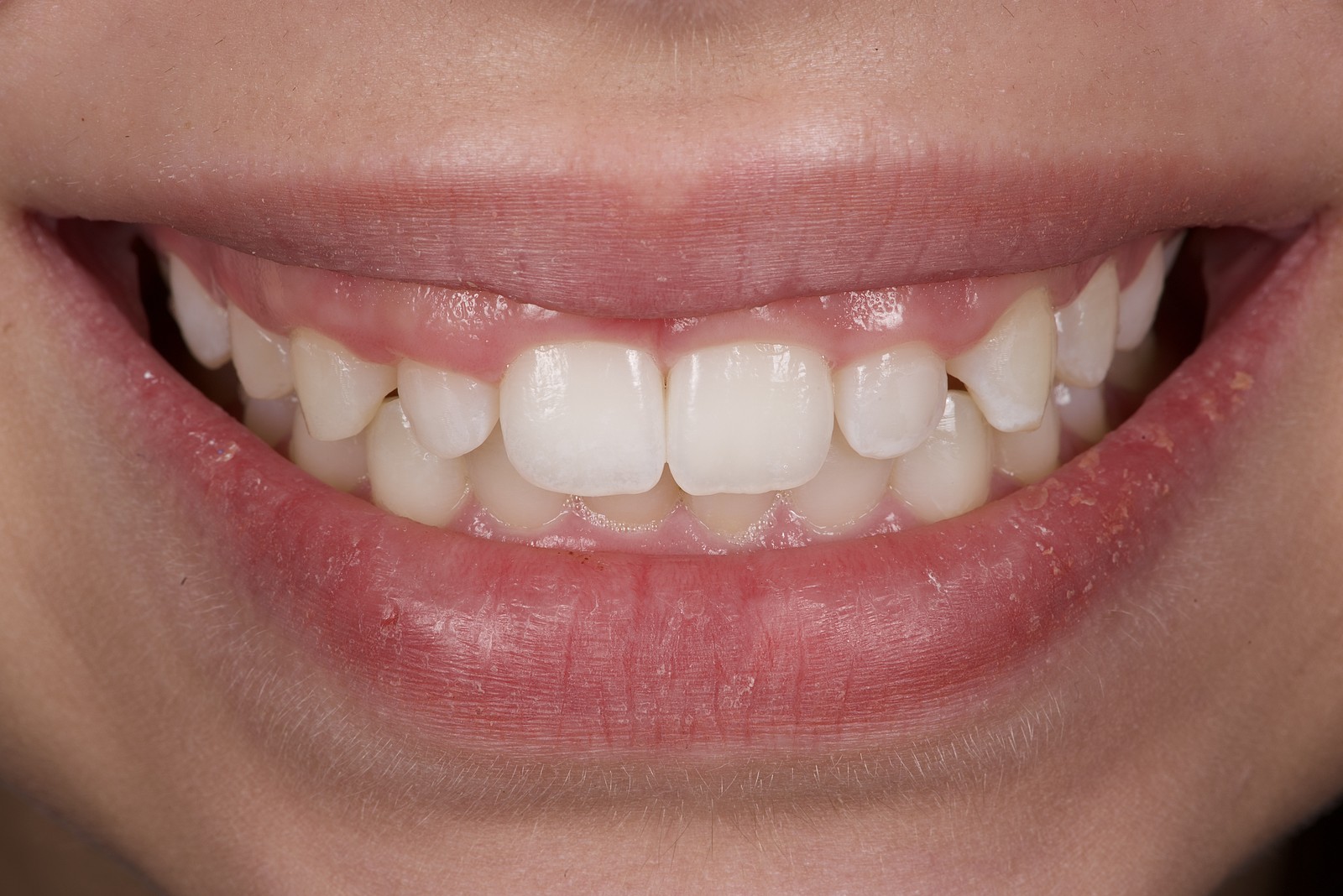
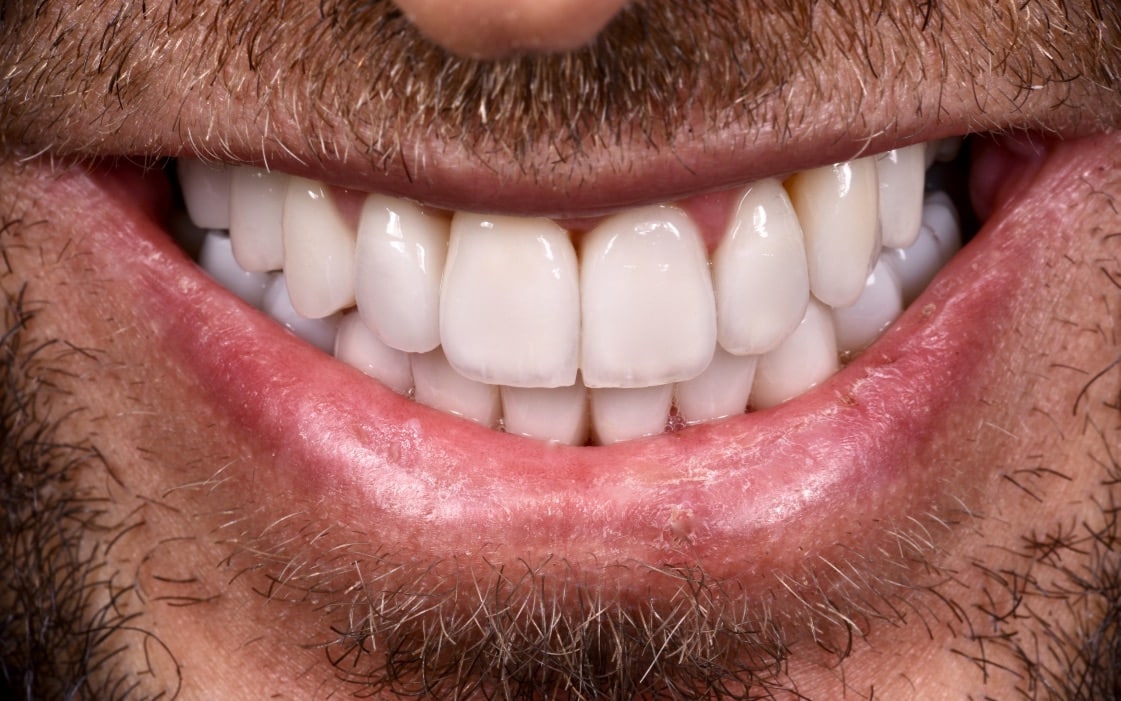
Our clinical cases
Every situation is different: these examples do not guarantee an identical result.
AvantAprès
AvantAprès
AvantAprès
Full-mouth dental restoration
Having dental treatment abroad: a good or bad idea?
More and more patients choose to have their teeth restored abroad, attracted by prices that are often lower in countries such as Turkey, Morocco or Hungary. Although these destinations offer appealing rates for dental treatment, it is important to choose the dental practice carefully and check the practitioners' reputation.
Before making a decision, consider not only the cost but also the quality of care. Find out about the practitioner's qualifications, the materials used and the arrangements for follow-up care.
Post-operative follow-up is also often overlooked, which can cause problems after you return home. If complications arise, the distance may make it difficult to access the necessary care and could result in additional costs. Before committing to dental treatment abroad, you should therefore make arrangements for check-ups, clarify the terms for any further treatment and account for potential travel.
Full-mouth dental restoration
FAQ
How can you keep your teeth in good condition after treatment?
Maintaining good oral hygiene through regular brushing and flossing, following your dentist's advice and attending regular check-ups all help dental treatments last.
Can all your teeth be restored at once?
Certain techniques, such as All-on-4 or All-on-6, can replace a complete dental arch using several implants. A temporary prosthesis can sometimes be fitted on the day of the procedure if the implants are sufficiently stable. The final prosthesis is generally fitted after a healing period.
Is full-mouth dental restoration painless?
When required for treatment, a local anaesthetic is used to limit pain. Some discomfort or pain may occur after implants are placed. The practitioner will explain what to expect afterwards and how to relieve it.
At what age can you have full-mouth dental restoration?
There is no single age for restoring your teeth. Your general health and the condition of your jaw and gums are considered when selecting treatment. A consultation with a dental surgeon can determine whether it is feasible. For implants, the completion of growth must also be taken into account.