


" Smile Clinic Paris is now Cabinet Dentaire de la Madeleine "
Closing a gap between the front teeth

Closing a gap between the front teeth

The aim is to create a more even smile.

A gap between the front teeth can be something you love or would rather change. For some people, it is a distinctive and attractive feature; for others, it can affect confidence every day. It is all a
Closing a gap between the front teeth

What is a gap between the teeth?

The term refers to a visible space, or diastema, between two teeth. It most commonly occurs between the two upper incisors. There are several possible causes:

  • An overly large or low-attached labial frenum;
  • A mismatch between the size of the teeth and the jaw (microdontia);
  • Genetic factors;
  • Childhood habits such as thumb-sucking;
  • Periodontal disease causing tooth mobility;
Smile with a gap between the front teeth
Closing a gap between the front teeth

Why close a gap between the teeth?

The desire for a more even smile is often the main reason for treatment. It can help you feel more comfortable with your appearance and restore your confidence. Closing a diastema may also improve chewing, speech and gum health if the space is associated with periodontitis.

Has the gap been present since childhood, or did it appear over time? A range of bespoke solutions is available to meet your specific needs.

Consultation to close a diastema
Closing a gap between the front teeth

Would you like to close a gap between your front teeth?

Our practitioners are here to advise you!

book an appointment
Closing a gap between the front teeth

Treatment options for closing a gap between the front teeth

Dental veneers
Dental veneers
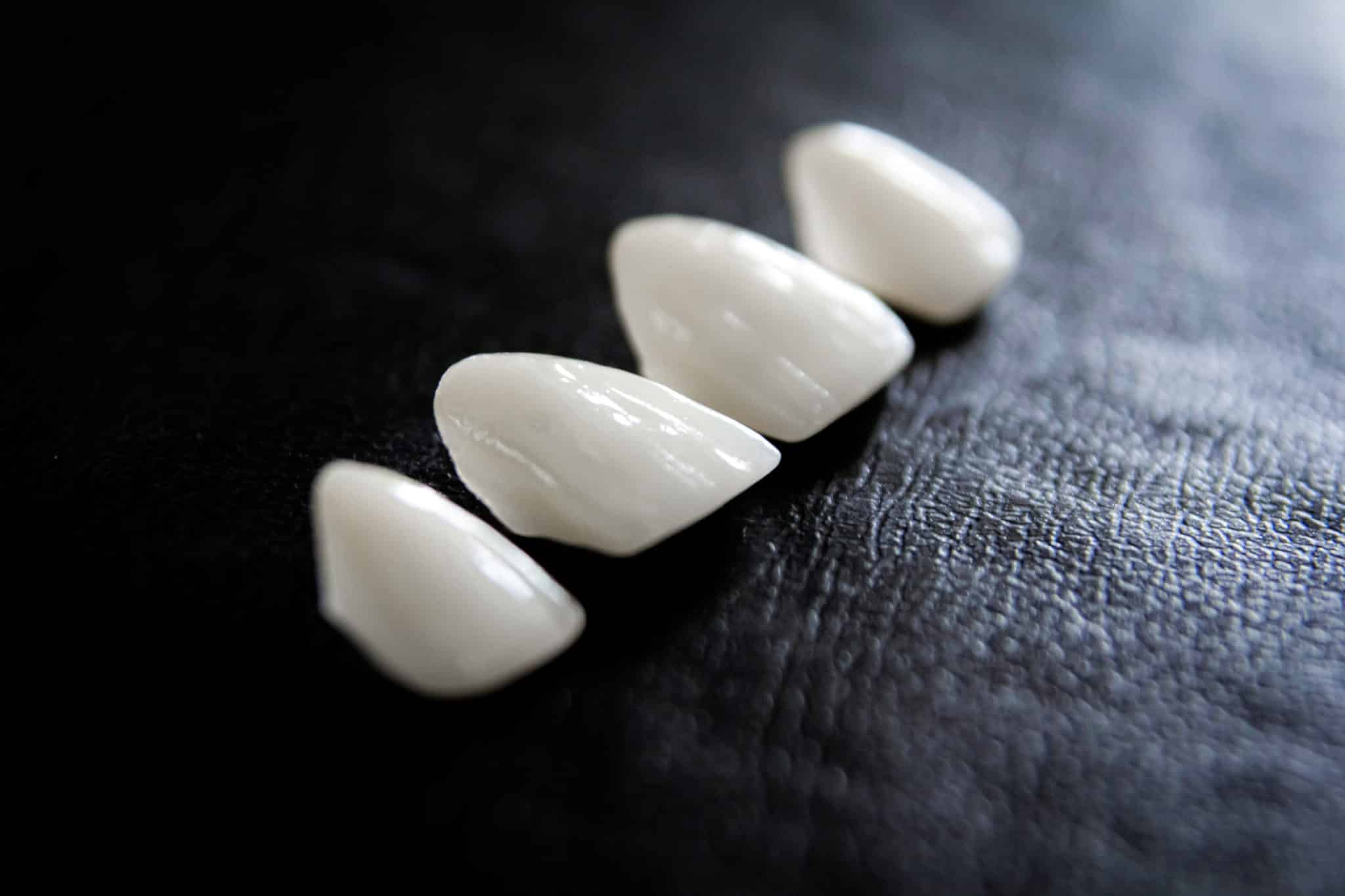
Dental veneers (ceramic or composite)

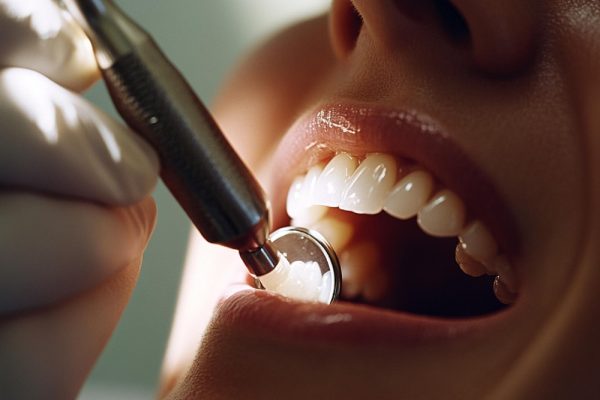
Veneers are thin shells bonded to the visible surface of the teeth. They offer a rapid aesthetic change when the diastema is mild or moderate.

  • Advantages: A rapid, natural-looking result; preservation of the tooth structure; correction of the shape and colour of the teeth as well.
  • Technique: Following an aesthetic assessment, the practitioner prepares the enamel surface, takes an impression, then bonds bespoke veneers made in a laboratory (ceramic) or shapes them directly in the mouth (composite).
  • Indications: Small diastemas, discoloured or worn teeth, and an overall aesthetic improvement without orthodontic treatment. 
Clear aligners
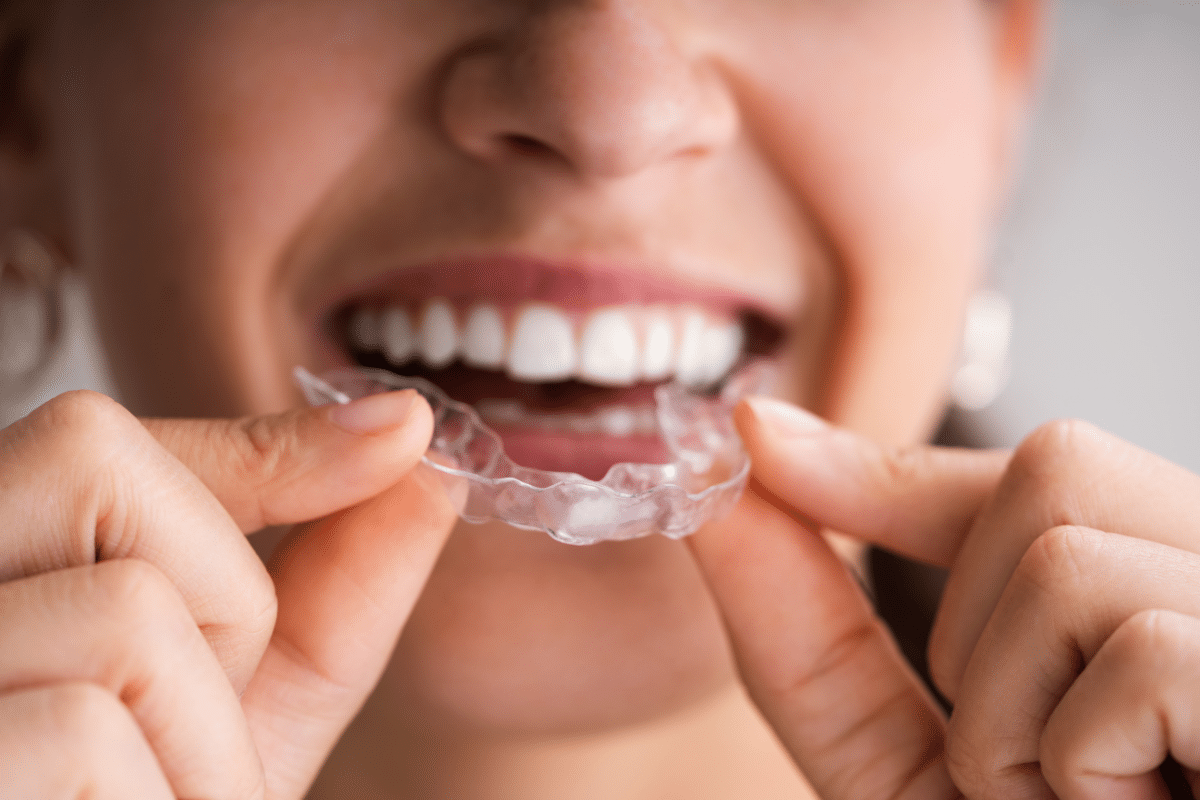
Clear aligners

This treatment uses a series of clear, removable aligners to move the teeth gradually.

  • Advantages: Highly discreet, comfortable and easy to keep clean because the aligners are removable.
  • Technique: After a 3D scan of your teeth, a series of aligners is made. They must be worn for 20 to 22 hours a day and changed every 1 to 2 weeks. A retainer, either a fixed wire or a night-time aligner, is essential at the end of treatment.
  • Indications: Mild to moderate diastemas in adults. 

Fixed braces
Fixed orthodontic braces

Brackets bonded to the teeth are connected by a metal archwire to guide tooth movement.

  • Advantages: Very precise control of tooth movement and long-lasting results.
  •  Technique: Treatment involves regular adjustments by the practitioner. The brackets may be metal or ceramic, with ceramic being less noticeable.
  • Indications: Suitable for more complex cases, such as a wide diastema or associated malocclusion. 

Frenectomy
Frenectomy (removal of the labial frenum)

In some cases, the diastema is caused by an overly prominent labial frenum, the tissue connecting the lip to the gum. It must then be treated before the gap is closed.

  • Advantages: Treats the mechanical cause of the diastema and helps prevent it from recurring after orthodontic treatment.
  • Technique: A very short surgical procedure under local anaesthetic to reposition or remove the frenum. Healing is rapid. It is often an essential addition to orthodontic treatment. 

Dental implants
Dental implants

An implant is an artificial titanium root inserted into the jawbone to support a crown. It is the most durable solution and preserves the neighbouring teeth.

  • Advantages: Strong and stable; preserves bone volume; feels similar to a natural tooth; does not damage adjacent teeth.
  • Technique: The implant is placed surgically, followed by several months of bone healing (osseointegration) before the definitive crown is fitted. A bone graft may sometimes be required beforehand if there is not enough bone to support the implant.
  • Indications: A diastema caused by a missing or absent tooth, where tooth replacement is required.

Dental bridges
Dental bridges

A bridge replaces a missing tooth by resting on the two adjacent teeth, which act as supports.

  • Advantages: A fixed, natural-looking solution that restores function quickly without implant surgery.
  • Technique: The practitioner must prepare the supporting teeth so the bridge can be cemented in place. The bridge consists of three joined elements: two crowns on the supporting teeth and an intermediate element replacing the missing tooth.
  • Indications: A diastema caused by a missing or absent tooth, where tooth replacement is required. 

Closing a gap between the front teeth

How do you know which treatment to choose?

The choice of treatment depends on several factors: the cause of the space, whether it is a natural diastema or a missing tooth, its size, the health of your teeth and gums, your aesthetic expectations and your budget.

An initial consultation with a dental surgeon is essential. After a full examination, they can make a personalised diagnosis and recommend the most suitable solution.

Closing a gap between the front teeth

The stages involved in treating a gap between the front teeth

Treatment always depends on the cause of the gap and your expectations. The approach varies according to the origin of the problem and the solution chosen.

1

Initial consultation

This first stage allows the practitioner to assess your clinical situation, carry out any necessary examinations, such as X-rays or a 3D scan, and discuss your expectations.

2

Choosing and planning treatment

Based on the diagnosis, the dentist will explain the available solution or solutions and provide a detailed treatment plan and quotation.

3

Treatment

Depending on the chosen technique, treatment takes place in one or more stages, such as fitting veneers, beginning orthodontic treatment or placing a dental implant.

4

Follow-up and maintenance

Once treatment is complete, follow-up care is required. A retainer is essential after orthodontic treatment. For restorations such as veneers and crowns, regular check-ups help ensure their longevity.

Closing a gap between the front teeth

Closing a gap between the teeth: how much does it cost?

The cost of closing a diastema depends on the solution chosen. At Cabinet Dentaire de la Madeleine Paris, we are committed to complete transparency. The guide prices for the relevant treatments are shown below.

Solution Guide price
Composite bonding (per tooth)€200 to €450 per tooth
Ceramic dental veneer (per veneer)€1,200 to €1,800 per veneer
Aligner treatment (full course)€2,500 to €6,000 (full course)
Orthodontic assessment: €180 (not included)
Dental implant (implant placement)€1,000 (implant only)
Implant-supported crown€1,200 to €1,700 per crown
Bone graft (if required)€600 to €4,500

Prices may vary depending on the materials used, the complexity of the case, any coexisting conditions and associated services. You will receive a personalised quotation after your consultation.

Closing a gap between the front teeth

Available payment options and insurance reimbursement

Some health insurance policies may cover part of the cost, particularly for orthodontic treatment or dental restorations. Payment plans may also be available at Cabinet Dentaire de la Madeleine. Please ask us for further information.

Would you like a more confident smile? Our practitioners offer a personalised assessment and advice tailored to your needs.

The first step towards your new smile

A personalised assessment,
a solution tailored to you

Closing a gap between the front teeth

FAQ

What is the quickest way to close a diastema?

Dental veneers and composite bonding are the quickest options, with results achieved in 1 to 3 appointments. However, they are suitable only for aesthetic purposes and small diastemas.

Are the results permanent?

After orthodontic treatment, wearing a retainer helps keep the teeth in their new position. Veneers, bridges and implants have an excellent lifespan of 10 to 15 years or more with good oral hygiene and regular follow-up care.

Do I always need a frenectomy if I have a gap between my front teeth?

Not always. This procedure is necessary only when the labial frenum is the main reason the gap remains open.

Is treatment painful?

Most treatments cause little or no pain. Minor surgical procedures are performed under local anaesthetic and recovery is brief.

How long does aligner treatment take for a diastema?

For an isolated diastema, treatment may be relatively short, lasting a few months, but the exact duration depends on the size of the gap and the complexity of the bite.

Book an appointment

Contact our dental practice
 in Paris Madeleine

8 Boulevard de la Madeleine, 75009 Paris

MMadeleine (lignes 8, 14 et 12) et Opéra (ligne 3)
BUSMadeleine – Vignon (lignes 42 et 52)
RERAuber (ligne A)
PMadeleine-Tronchet (21 Pl. de la Madeleine, 75008 Paris)
PEdouard 7 (16 Rue Bruno Coquatrix, 75009 Paris)
Ouvert du lundi au samedi — 09h30-19h LUN / VEND - 09h30-19h
WhatsApp Tél Mail