" Smile Clinic Paris is now Cabinet Dentaire de la Madeleine "
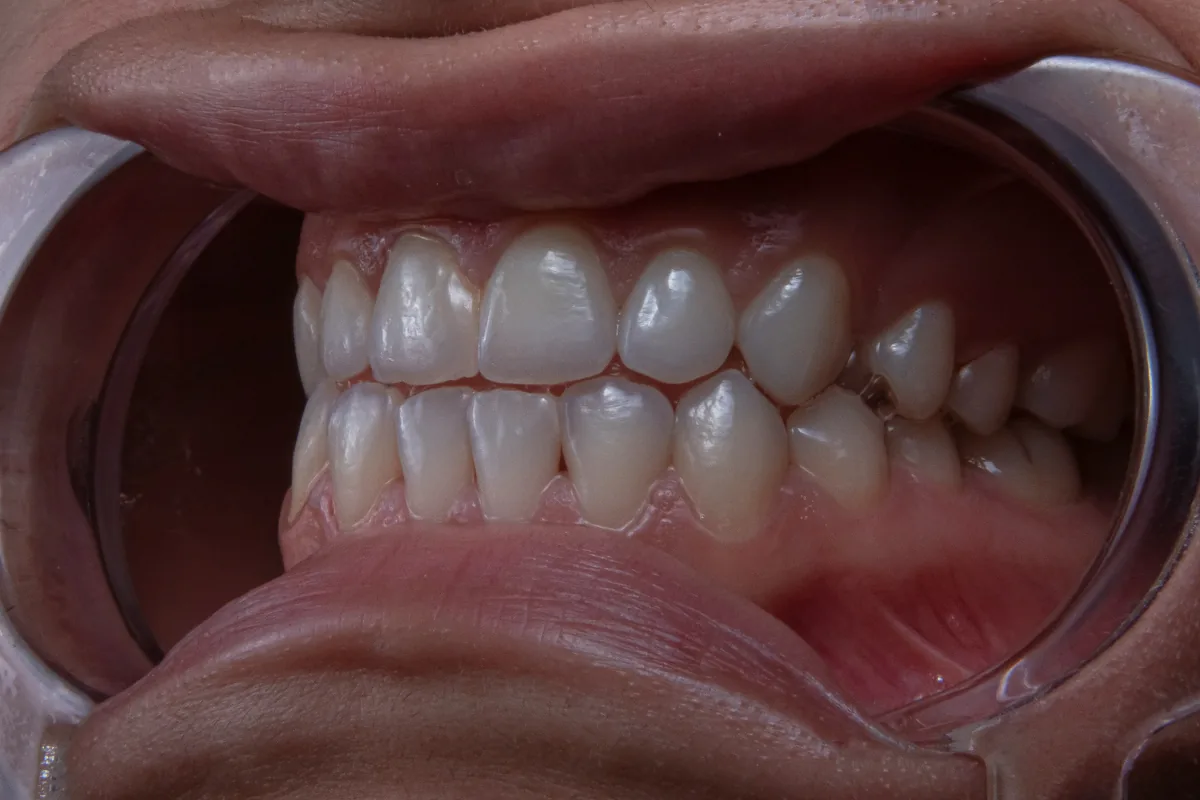
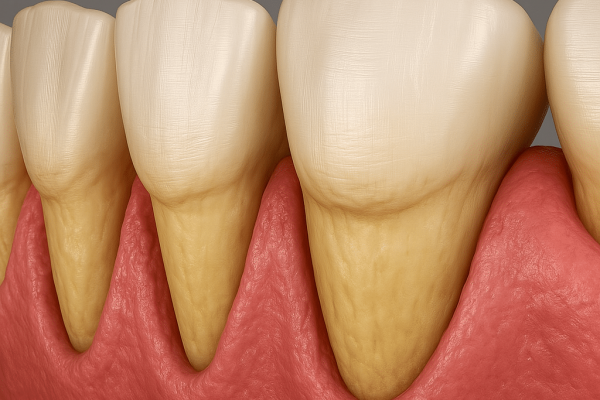
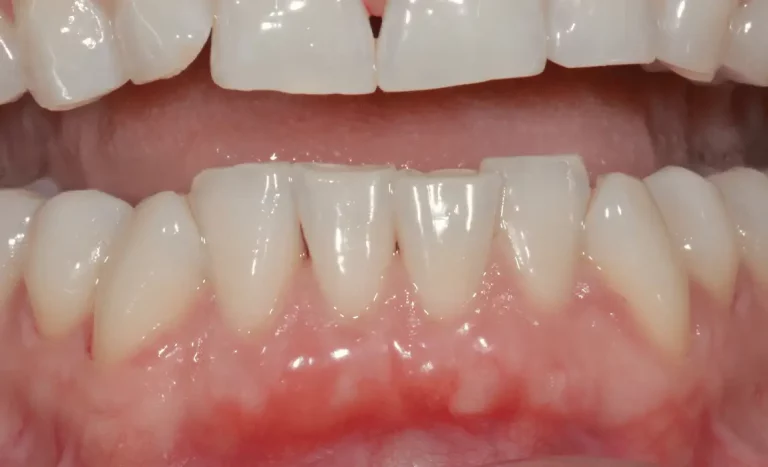
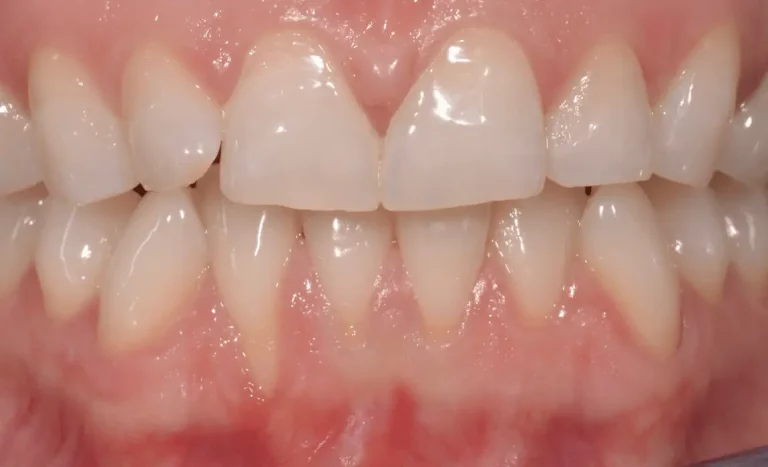
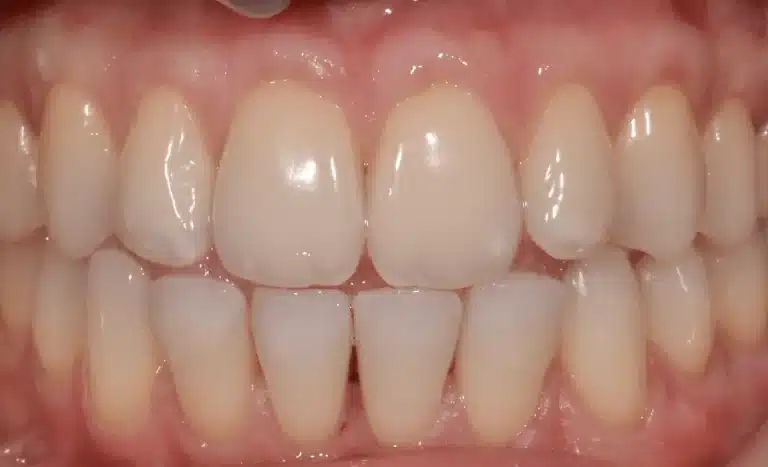
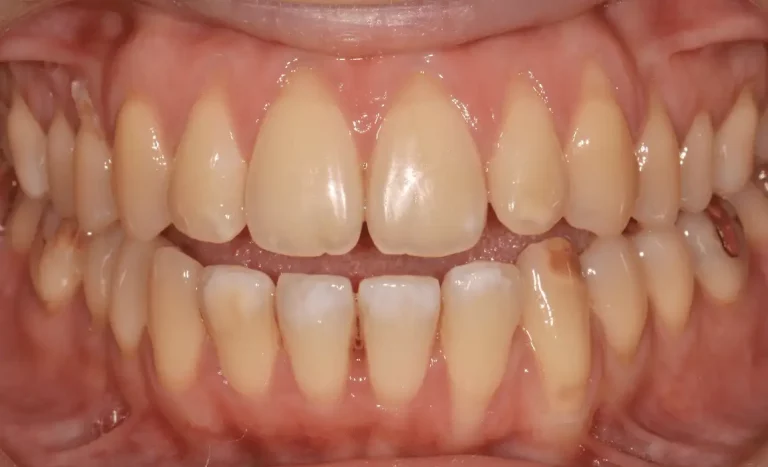
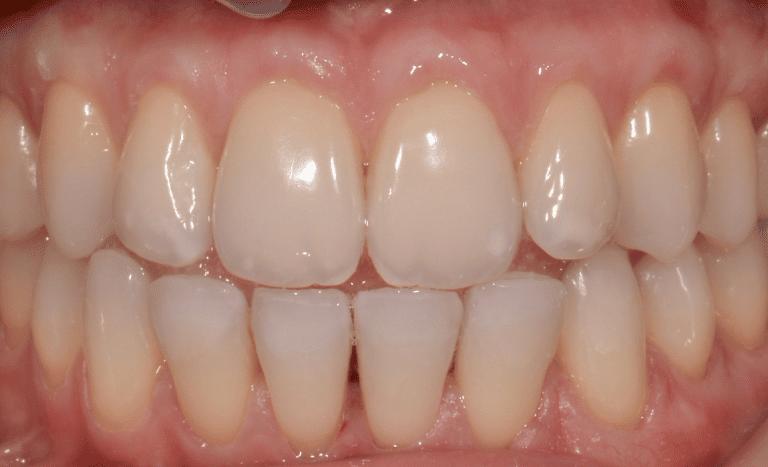
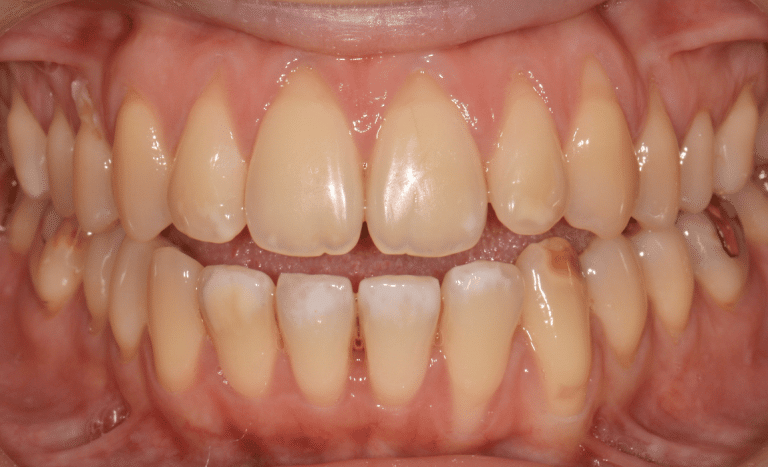
Teeth affected by receding gums
Receding gums

Receding gums and loss of gum tissue

Preserve the strength of your teeth and the health of your gums

At Cabinet Dentaire de la Madeleine in Paris, we provide tailored solutions to preserve the tissues supporting your teeth and enhance the appearance of your smile. Following a comprehensive

Receding gums

What are receding gums?

The health of our teeth and gums is about far more than appearance; it has a profound impact on our day-to-day wellbeing and our overall health. Yet problems such as receding gums and loss of gum tissue are often overlooked until they become uncomfortable or even painful.

Gum recession occurs when the gums recede and expose the roots of the teeth. It is an insidious condition that can lead to increased sensitivity, weakened teeth and, in severe cases, permanent tooth loss. It is important to understand the causes of gum recession, recognise the early warning signs and act promptly to avoid more serious consequences.

Whether you are looking for good habits to follow at home or specialist treatment at the practice, the dental professionals at Cabinet Dentaire de la Madeleine offer practical advice and clear information to help preserve and optimise your daily oral health.

Receding gums and gum health
Receding gums

What is gum recession?

Receding gums, commonly referred to as gum recession, occur when the gums pull back, exposing the roots of the teeth. This can cause a range of oral health problems, from tooth sensitivity to tooth loss. 

Periodontal diseases, including gingivitis and periodontitis, are among the most common causes of gum recession. These conditions are often linked to inadequate oral hygiene, but may also result from other factors, such as a family history of periodontal problems, a genetic predisposition or variations in an individual's immune response.

The build-up of plaque and tartar is a central factor in the development of these diseases, but behaviours such as bruxism (teeth grinding) and habits such as smoking may also contribute to gum recession. The body's natural ageing process can also affect gum health, as can other environmental factors and lifestyle choices.

It is important to emphasise that good oral hygiene and regular dental care can minimise the risk of gum recession. Taking care of your oral hygiene from an early stage and making regular visits to the dentist allow these problems to be detected and treated before they become serious, thereby protecting your overall health.

Gum recession and exposed tooth roots
Receding gums

What are the first signs of gum recession?

Detecting the signs of gum recession early can prevent irreversible damage to the teeth and gums. By paying attention to changes in your mouth, you can act promptly and avoid serious complications.

Increased tooth sensitivity

One of the first signs you may experience is increased tooth sensitivity. This often occurs when you consume hot or cold food and drinks. The sensitivity is caused by exposed tooth roots, which are not protected by enamel, leaving the teeth vulnerable to changes in temperature and acidity in food.

Teeth appearing longer

You may also notice that your teeth appear ‘longer’. This is a common visual sign of gum recession. As the gums recede, the part of the tooth below the gum line becomes visible, creating the impression of greater length. This change can affect the appearance of your smile.

Bleeding gums

Another symptom to watch for is bleeding gums, particularly when brushing or flossing. This bleeding is often a sign of gum inflammation, which may result from a build-up of plaque and tartar. Ignoring this symptom can make the situation worse, allowing it to progress to more advanced periodontal diseases such as gingivitis or periodontitis.

Persistent gum pain

Persistent gum pain is another sign that should not be overlooked. It may indicate localised inflammation and suggests that your gums are under strain. Prolonged inflammation can damage not only your gums and teeth, but may also have wider effects on your health.

It is therefore strongly recommended that you do not ignore these symptoms. If you notice any of these signs, consult a dental professional promptly. Early diagnosis and appropriate care can save your teeth and help protect your general health.

Receding gums

Visit Cabinet Dentaire de la Madeleine in Paris for treatment of receding gums

The first signs of gum recession can compromise your oral health and the natural elegance of your smile. At Cabinet Dentaire de la Madeleine, our dental professionals provide advanced treatments in a refined and private setting.
Book an appointment today for a personalised diagnosis and help restore the health and vitality of your gums. Discretion, precision, excellence.

book an appointment
Receding gums

Consequences of untreated gum recession

Ignoring gum recession can lead to serious complications. It not only affects your oral health, but also increases the risk of tooth loss. Loose teeth can cause aesthetic concerns and affect your self-confidence.

Periodontal pockets may also form, making oral health increasingly difficult to manage. Severe cases of gum recession highlight the importance of consulting a professional to avoid irreversible consequences.

Consequences of untreated gum recession
Receding gums

Gum recession treatment before and after

Case 1

Gum recession after treatment, case 1
Gum recession before treatment, case 1
Avant Après

Case 2

Gum recession after treatment, case 2
Gum recession before treatment, case 2
Avant Après

Case 3

Gum recession after treatment, case 3
Gum recession before treatment, case 3
Avant Après
Receding gums

What treatments are available for gum recession?

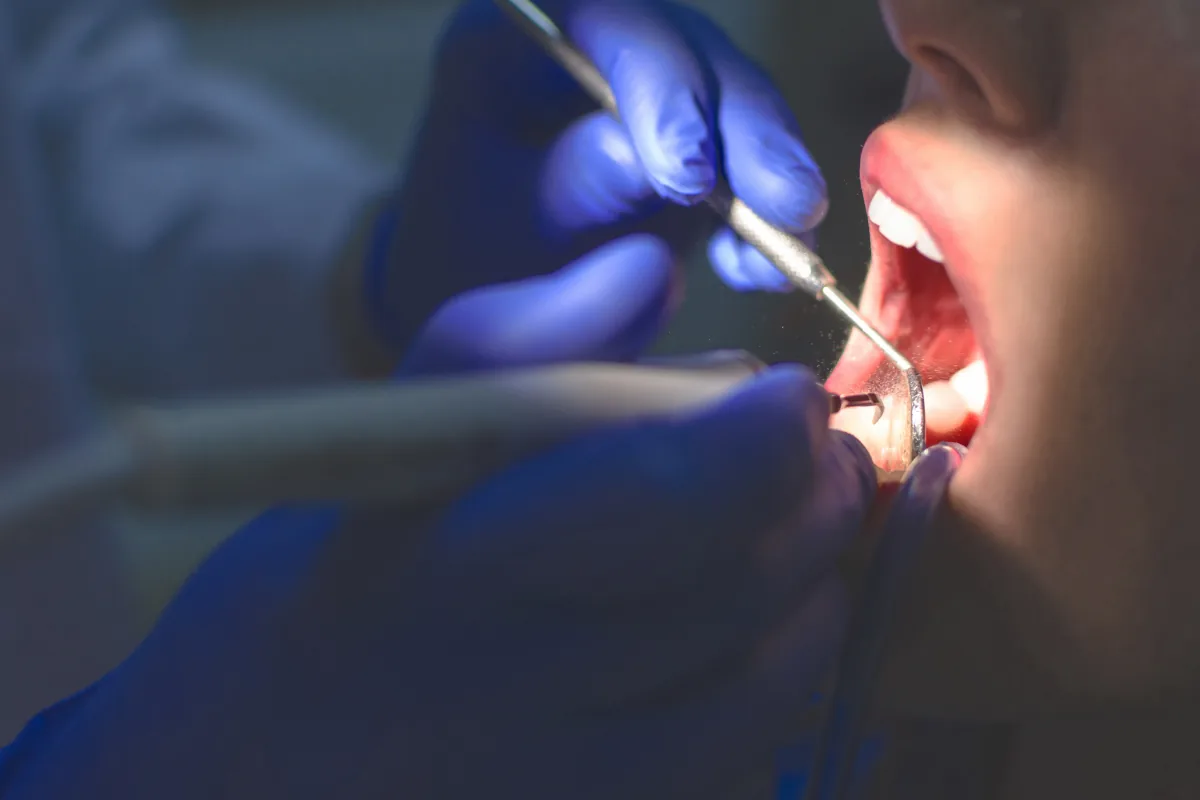
The first step in addressing gum recession is to visit your dentist regularly. Routine monitoring makes it possible to assess your periodontal health and take preventive action.

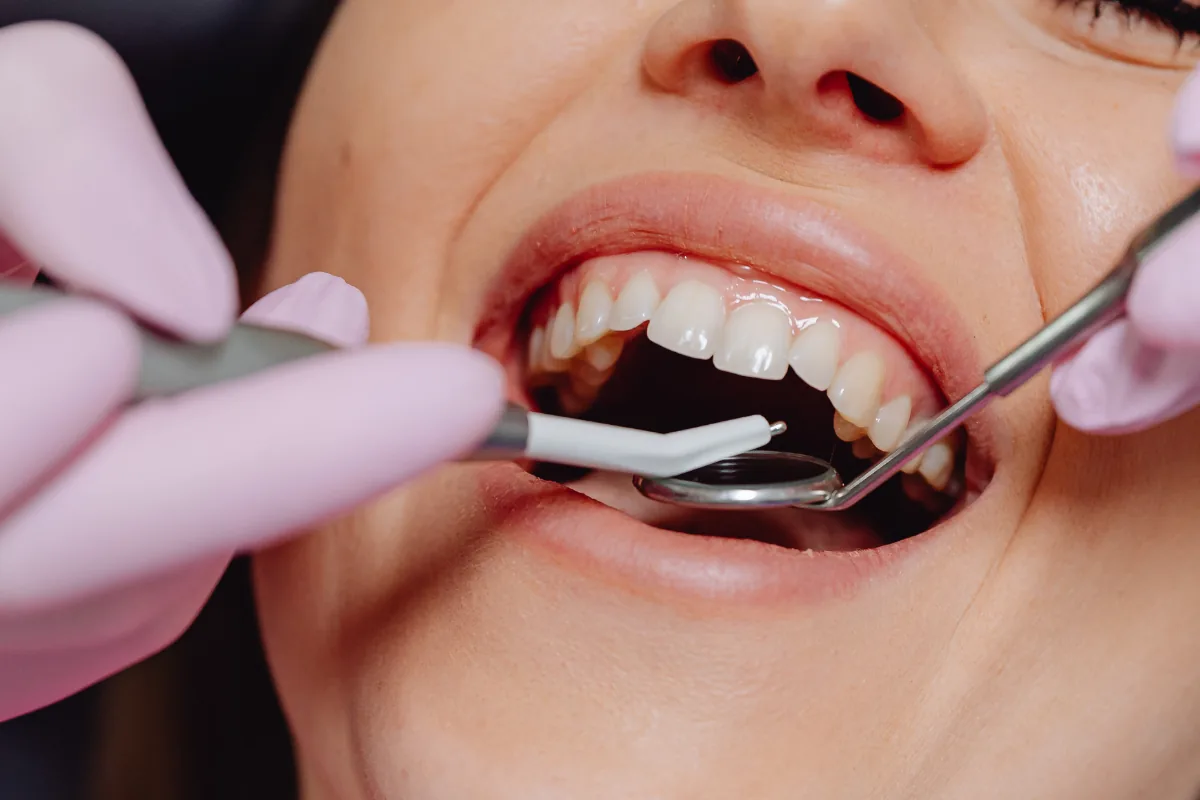
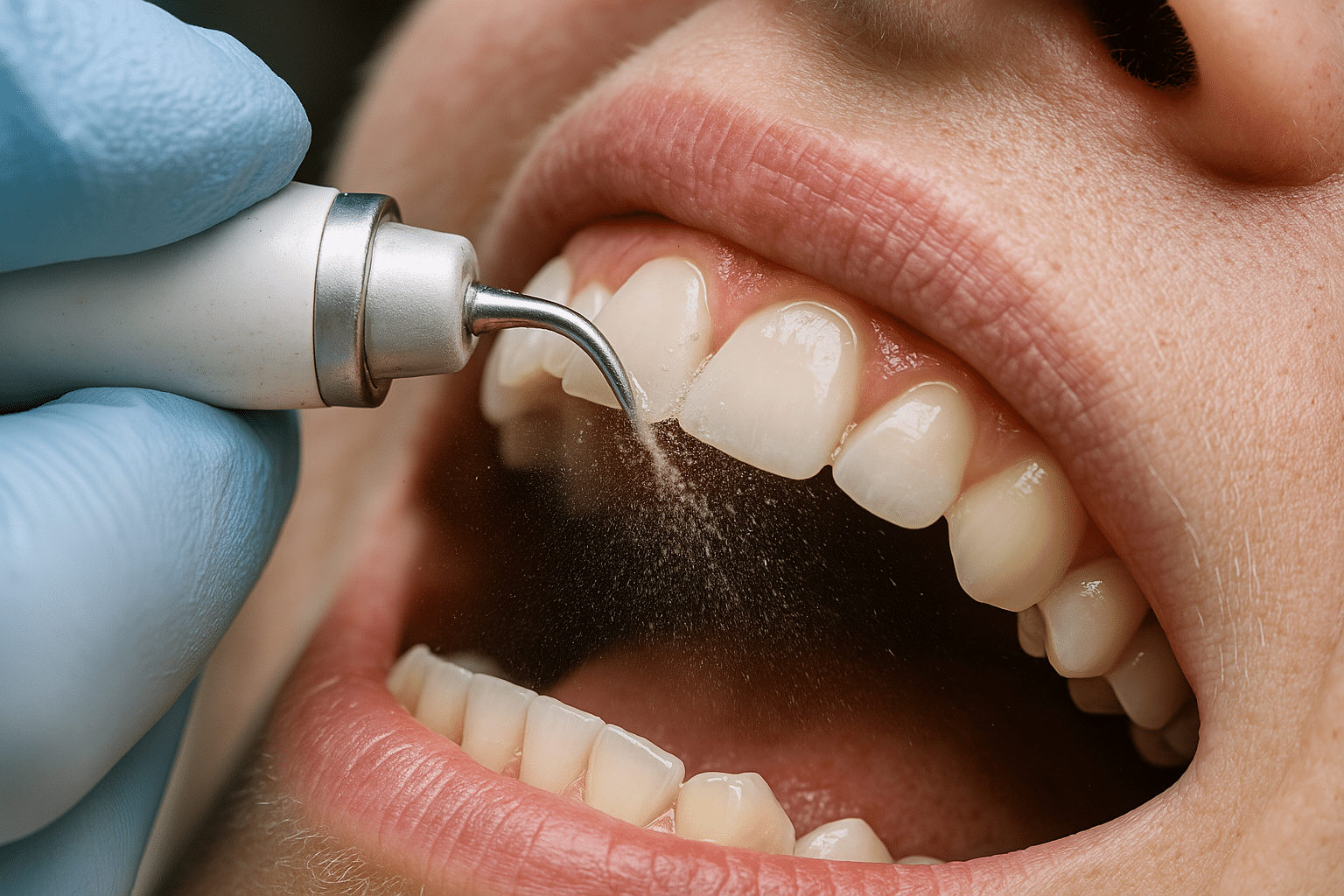
Dental scaling
Dental scaling
Scaling

Scaling is an essential dental procedure that removes tartar and plaque built up on the teeth, particularly along the gum line. This build-up can encourage inflammation and infection, leading to periodontal problems. Scaling is carried out using hand instruments or ultrasonic equipment to clean the tooth surfaces thoroughly.

To maintain optimal oral health, scaling is recommended at least once a year. People with a history of periodontal disease or gingivitis, or whose oral hygiene needs additional support, may require more frequent appointments, usually every six months.

This treatment not only helps restore good oral hygiene, but also plays a preventive role by stopping gum recession from becoming worse.

Root planing

Root planing is a treatment that thoroughly cleans the surfaces of the tooth roots to remove plaque, tartar and debris that may have accumulated below the gum line. This build-up can cause gum inflammation (gingivitis) and more advanced periodontal disease.

The frequency of root planing sessions depends on the patient's oral health. In general, a professional cleaning every six months is recommended to maintain good oral hygiene.

This dental treatment not only reduces inflammation, but also helps prevent the disease from progressing and improves periodontal health.

Receding gums

Gum grafting

In more advanced cases of gum recession, a gum graft can be an effective way to restore gum tissue. The procedure involves taking a small section of gum tissue, usually from the back of the mouth in the palatal area (the palate provides good-quality tissue of a suitable thickness), and transplanting it to the area where the gums have receded. A gum graft not only covers exposed roots, but also strengthens the affected area and supports periodontal health.
Gum grafts may be recommended in the following cases:
  • Significant gum recession: when the gums have receded enough to expose the roots of the teeth, causing sensitivity and affecting their appearance.
  • Prevention of tooth loss: strengthening the gums around already weakened teeth can help prevent future tooth loss.

Healing after a gum graft varies from person to person, but it is important to follow your dentist's advice to support optimal recovery. Appropriate care and regular monitoring help maximise the results of the graft and improve long-term oral health.

Some natural remedies, such as mouthwashes made with natural ingredients, may complement your routine, although their benefits are limited.

Gum graft for gum recession
Receding gums

How can you prevent gum recession?

An effective oral hygiene routine is key to preventing gum recession. This includes using gentle, appropriate brushing techniques and flossing daily to remove plaque and food debris. Antibacterial products and mouthwashes may also help maintain gum health by reducing the bacteria responsible for periodontal disease.

A balanced diet rich in nutrients that support dental health, such as vitamins C and D, calcium and phosphorus, is recommended to strengthen the gums and teeth. Avoiding sugary and acidic foods can also help reduce the risk of gum recession.

Lifestyle changes can also play an important part in preventing gum recession. These include stopping smoking, a known risk factor for gum disease, and managing stress, which can aggravate bruxism. By combining good oral hygiene, an appropriate diet and healthy lifestyle habits, you can help protect your oral health.

Preventing gum recession
The first step towards your new smile

A personalised assessment,
a solution tailored to you

Receding gums

Consult a dental professional

At Cabinet Dentaire de la Madeleine, our dental professionals are committed to providing high-quality care and advice tailored to your needs. Our practitioners will assess and treat your dental concerns before they become worse. Book an appointment at our Paris practice today for a comprehensive, personalised diagnosis.

Treat gum recession at Cabinet Dentaire de la Madeleine in Paris

Restore a healthy, harmonious smile with our personalised treatments for gum recession.

In the heart of the Madeleine district in Paris, our dental practice welcomes you to a refined setting where your gums are cared for with expertise and discretion. Precise diagnosis, advanced techniques and tailored support can restore your smile's stability and radiance.

Cabinet Dentaire de la Madeleine

Your dental surgeons in Paris for Gum recession

Portrait de Dr. Grégoire Guigne
  • Diplôme de la Faculté de Chirurgie-Dentaire de Paris 5 Descartes
  • DU diplôme universitaire de parodontologie médicale et chirurgicale (Paris 5)
  • DU d’implantologie de l’université D’Evry (Paris XII)
  • CES certificat d’étude supérieur en Parodontologie (Paris 5)
  • CES de Prothèse Conjointe (Université Paris 5)
  • Attaché d’enseignement Hopital Bretonneau (Paris 5)

Parodontiste

Dr. Grégoire Guigne

Chirurgie Reconstructive Parodontale

Book an appointment
Book an appointment

Contact our dental practice
 in Paris Madeleine

8 Boulevard de la Madeleine, 75009 Paris

MMadeleine (lignes 8, 14 et 12) et Opéra (ligne 3)
BUSMadeleine – Vignon (lignes 42 et 52)
RERAuber (ligne A)
PMadeleine-Tronchet (21 Pl. de la Madeleine, 75008 Paris)
PEdouard 7 (16 Rue Bruno Coquatrix, 75009 Paris)
Ouvert du lundi au samedi — 09h30-19h LUN / VEND - 09h30-19h
WhatsApp Tél Mail