


01
Look without touching
Check whether the tooth is broken, loose, displaced or missing. Do not try to straighten a tooth that has moved, and avoid touching it with your tongue or fingers.
Treatments
Your needs
Nos soins
Vos besoins
Nos soins
Vos besoins

What should you do after a blow to a tooth?
A fall, accident or blow can cause pain, a fracture, displacement or the complete avulsion of a tooth. Even if no injury is immediately visible, dental trauma should be assessed by a dental
surgeon.
At Cabinet Dentaire de la Madeleine, the examination assesses the tooth, its root and the tissues supporting it, so that care suited to the situation can be considered.
Dental trauma is an injury caused by a blow, fall or accident. It can affect the tooth itself, as well as its root, the gum, the ligament or the bone supporting it. Depending on the force of the impact, the tooth may be sensitive, cracked, broken, loose, displaced or completely knocked out.
Even when no injury is visible, the pulp at the centre of the tooth may have been affected. An examination at Cabinet Dentaire de la Madeleine makes it possible to assess the situation, look for any injuries and arrange the necessary follow-up.
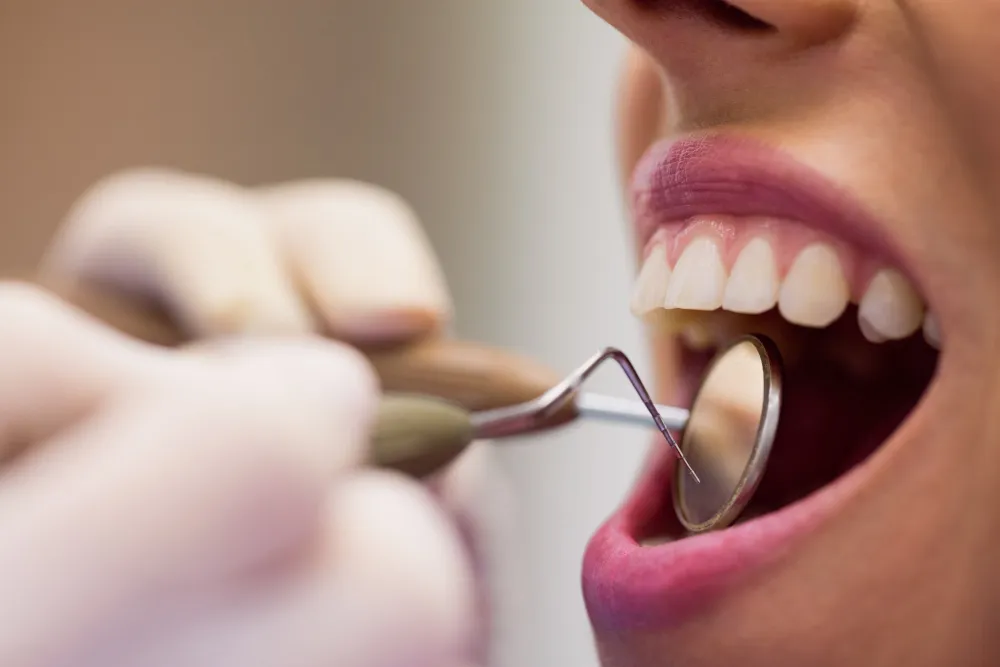
Not all dental trauma is equally serious. A clinical examination, supplemented by an X-ray if necessary, identifies the injury and checks the vitality of the tooth.
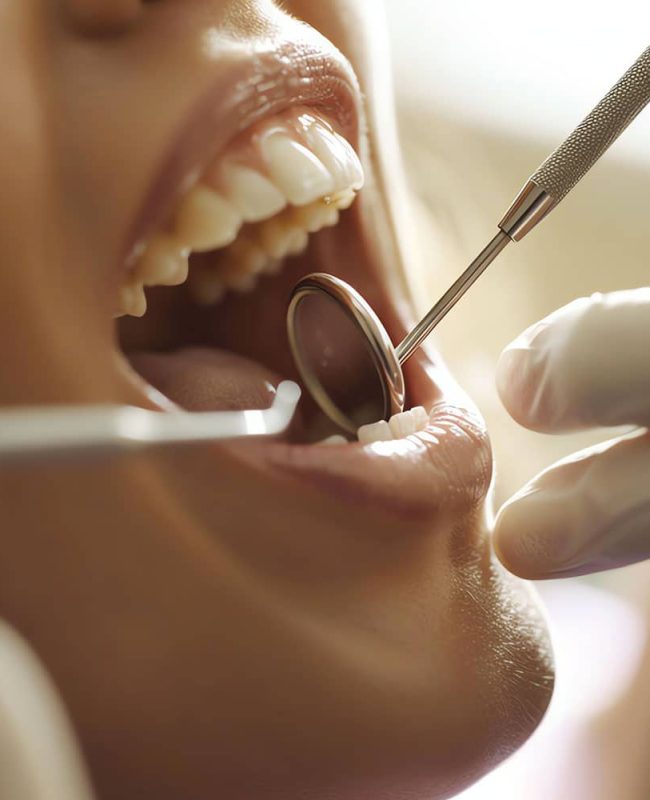
This may be a bruise or a crack that is difficult to see. The tooth remains in place, but it may become sensitive to touch or when chewing. Even if there is no visible break, a consultation is recommended because some consequences may appear in the days or weeks that follow.
Retrieve the fragment if you can find it and keep it in milk or saline solution. Depending on the extent of the fracture, the dental surgeon may consider reattaching it, restoring the tooth or treating the pulp.
To understand the different types of fractures and their treatments, see our Broken, cracked or chipped tooth page.
Do not try to put the tooth back in place yourself. The dental surgeon assesses the position of the tooth, its root and the surrounding bone. Repositioning and splinting may be offered depending on the diagnosis.
When a permanent tooth has come out of its socket, this is an emergency. Hold it by the crown without touching the root, then place it in milk or saline solution and seek care immediately.
A knocked-out baby tooth must never be reimplanted. In children, an examination is still essential to monitor the tissues and the developing permanent tooth.
Following an impact, the examination covers the affected tooth, the neighbouring teeth, the gum and the supporting tissues. X-rays and sensitivity tests may be carried out when indicated.
Depending on the situation, the practitioner may consider monitoring, reattaching a fragment, a composite restoration, repositioning and splinting a displaced tooth, or endodontic treatment. When the tooth cannot be saved, replacement options are considered after the assessment.
Follow-up is important, even when the pain subsides. A traumatised tooth may change colour or lose its vitality several weeks after the accident. Check-ups make it possible to monitor its progress and intervene if necessary.
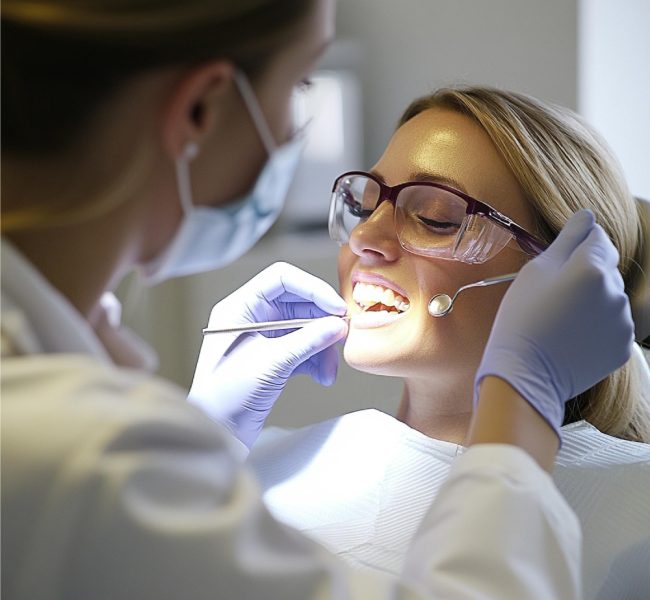
Ask your questions, send a photo of your smile and receive initial guidance from our team, simply by message, wherever you are.
Yes. An impact can affect the pulp or the tissues supporting the tooth without causing a visible fracture or displacement. An examination makes it possible to assess the situation.
A change in colour may indicate a reaction in the pulp following the trauma. It is important to contact the dental surgeon again so that the tooth can be checked.
No. A knocked-out baby tooth must never be reimplanted, to avoid the risk of damaging the developing permanent tooth.
Yes. Place it in milk or saline solution and bring it to the consultation. Depending on the fracture, it may sometimes be possible to reattach it.
Learn what to do first and which restorative solutions may be available.
Discover the treatment SurgeryIdentify situations that require a consultation and the treatment options available.
Discover the treatment SurgeryLearn what to do first and which restorative solutions may be available.
Discover the treatment SurgeryIdentify situations that require a consultation and the treatment options available.
Discover the treatment
Endodontie Exclusive
Micro-chirurgie Endodontique
Book an appointment
Endodontie Exclusive
Micro-chirurgie Endodontique
Book an appointmentDiagnose and treat conditions affecting the inside of the tooth.
Discover the treatment EndodonticsPreserve the natural tooth whenever possible.
Discover the treatment Dental careTreat teeth while preserving as much natural tissue as possible.
Discover the treatment Dental careProtect teeth from wear, impact or bruxism.
Discover the treatment Implantology and surgeryProtect and restore a weakened tooth.
Discover the treatment EndodonticsDiagnose and treat conditions affecting the inside of the tooth.
Discover the treatment EndodonticsPreserve the natural tooth whenever possible.
Discover the treatment Dental careTreat teeth while preserving as much natural tissue as possible.
Discover the treatment Dental careProtect teeth from wear, impact or bruxism.
Discover the treatment Implantology and surgeryProtect and restore a weakened tooth.
Discover the treatment8 Boulevard de la Madeleine, 75009 Paris