




" Smile Clinic Paris is now Cabinet Dentaire de la Madeleine "
Gum pain and bleeding
Cabinet Dentaire de la Madeleine

Gum pain and bleeding

A beautiful smile starts with healthy gums.

Bleeding gums are a warning sign that should not be ignored. They are sometimes accompanied by redness or swelling, which often indicates inflammation. If left untreated, these symptoms can develop

Gum pain and bleeding

Why do your gums bleed?

Bleeding gums are always a symptom of tissue irritation or injury. To treat them effectively, the cause of the problem must first be understood.

Bleeding gums
Bleeding gums

The main cause of gum disease is the daily build-up of dental plaque where the tooth meets the gum. If this plaque is not removed, bacteria irritate the gum and cause gingivitis. The tissue becomes red and bleeds on contact. Without treatment, this inflammation can spread deeper and develop into periodontitis, which then attacks the supporting bone. This is why prompt treatment is important.
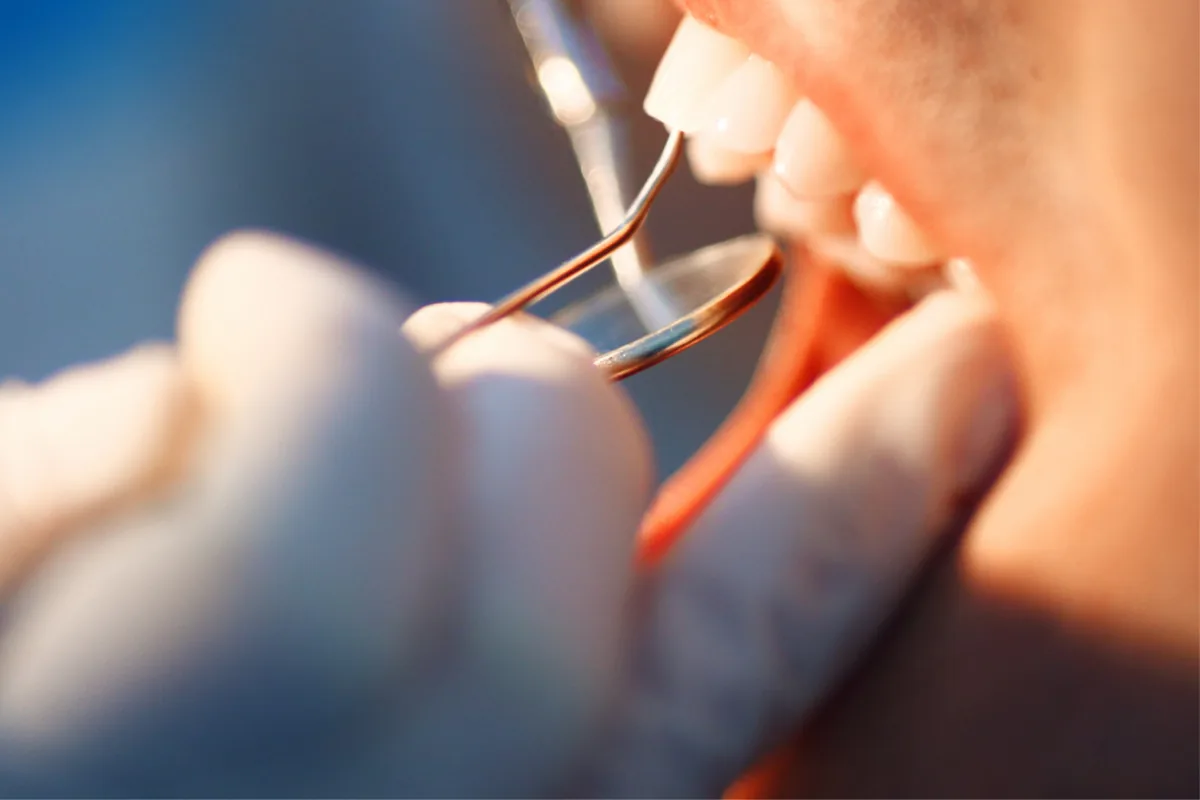
Gum trauma

Your gums are delicate tissues that can be damaged by everyday habits. Brushing too hard or using a hard-bristled toothbrush can injure the gum and cause bleeding. An old crown or damaged filling may also trap food and irritate the gum locally. When inflammation spreads deeper, it can develop into periodontitis requiring periodontitis treatment, sometimes combined with a gum graft.

General health and gums

Your overall health affects how your gums respond. Periods of hormonal change, such as pregnancy, increase vascular permeability and sensitivity to bacteria. Stress and smoking are also major aggravating factors. Smoking is particularly deceptive because it masks visible bleeding while accelerating the destruction of periodontal tissues. It is therefore advisable to consult a periodontist in Paris for an accurate diagnosis and appropriate treatment.

Gum pain and bleeding

Other clinical signs to look out for

Beyond visible bleeding, other, less noticeable symptoms often accompany inflammation and should prompt you to seek advice.

Persistent bad breath is a common sign, often linked to anaerobic bacteria beneath the gum or in tartar. Many patients also report a metallic or unpleasant taste in their mouth. Finally, a visible change to your smile, such as the impression that your teeth look longer, indicates gum recession that should be stabilised as soon as possible.

clinical signs to look out for
Gum pain and bleeding

Our deep-cleaning protocol: stopping bleeding and pain

At Cabinet Dentaire de la Madeleine Paris, we use a disinfection protocol that targets inflammation without damaging your tissues.

1

Step 1: Periodontal diagnosis and probing

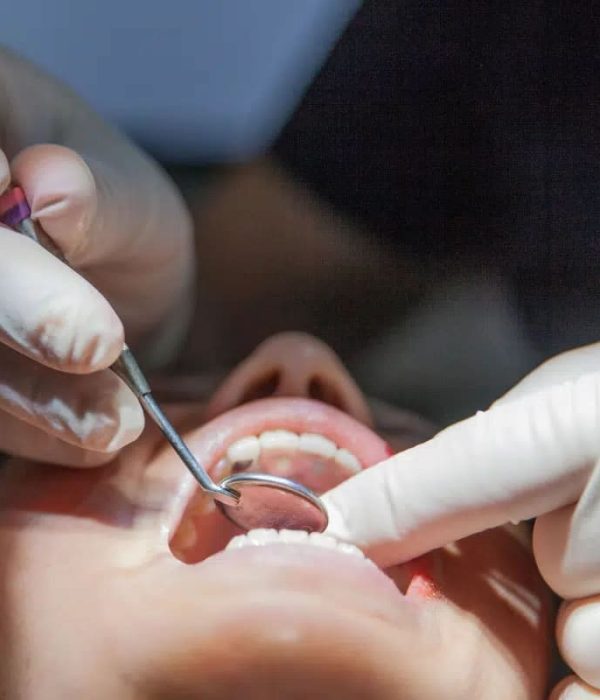
Before any gum treatment, periodontal probing with a graduated probe is used to measure the depth of the gum pockets. An excessive depth accompanied by bleeding indicates bacterial activity that is destroying the tooth attachment and requires targeted treatment.

2

Step 2: Personalised preventive care guidance

Long-lasting treatment requires the bacterial cause to be removed every day. Before any procedure, we teach each patient suitable oral hygiene techniques and recommend a soft-bristled toothbrush and correctly sized interdental brushes. These tools break up plaque and help control bleeding, particularly in hard-to-reach areas between the teeth.

3

Step 3: Decontamination and deep cleaning.

This stage is the foundation of treatment to stop bleeding and relieve pain. We use the least invasive approach possible.

  • Ultrasonic scaling: To break up and remove visible tartar without scratching the enamel.
  • Air polishing (Air-Flow): We use a very fine powder mixed with warm water. This technology gently removes bacterial biofilm and stains, including beneath the gum, without pain.
  • Root planing (if required): If deep pockets are detected, we clean the tooth root under local anaesthetic. We remove embedded bacterial toxins so that the gum can heal and form a tight seal around the tooth.

4

Step 4: Reviewing the healing process

Healing is gradual. A follow-up visit is arranged a few weeks after treatment to confirm that the bleeding and pain have stopped and the pockets have become shallower. The aim is to achieve healthy, pink and firm gums that fit closely around the teeth. Once stability has been achieved, annual or six-monthly maintenance appointments are introduced to preserve the result over the long term.

Gum pain and bleeding

FAQ: your questions about bleeding gums

Should I stop brushing the area that is bleeding or painful?

No. However, tooth sensitivity and a feeling of tightness generally appear a few hours after fitting or after each adjustment appointment. This discomfort, which is a sign that the teeth are moving, subsides within 3 to 5 days and can be relieved with simple painkillers.

Can I take aspirin to relieve gum pain?

We strongly advise against it. Aspirin thins the blood, which may significantly increase gum bleeding. To relieve acute pain while waiting for your appointment at the practice, take paracetamol instead, unless it is medically contraindicated.

Why can I feel throbbing in my gum?

A localised throbbing or warm sensation can indicate several conditions, including a gum or periodontal abscess. Only an examination can identify the cause. Read our dedicated page about dental abscesses and signs of an emergency.

How long does it take for the bleeding to stop after treatment?

Gum tissue heals quickly. After scaling or deep cleaning at our practice, bleeding decreases considerably within the first 48 hours. The gums generally become firm and fully healthy again within 1 to 2 weeks, provided good oral hygiene is maintained at home.

Why do my gums bleed only when I floss?

This indicates that the inflammation is specifically located between the teeth, where a toothbrush cannot reach. Bleeding caused by flossing means that interdental cleaning is not frequent enough or that tartar is trapped in the space. It is a warning sign that should not be ignored.

Book an appointment

Contact our dental practice
 in Paris Madeleine

8 Boulevard de la Madeleine, 75009 Paris

MMadeleine (lignes 8, 14 et 12) et Opéra (ligne 3)
BUSMadeleine – Vignon (lignes 42 et 52)
RERAuber (ligne A)
PMadeleine-Tronchet (21 Pl. de la Madeleine, 75008 Paris)
PEdouard 7 (16 Rue Bruno Coquatrix, 75009 Paris)
Ouvert du lundi au samedi — 09h30-19h LUN / VEND - 09h30-19h
WhatsApp Tél Mail