


" Smile Clinic Paris is now Cabinet Dentaire de la Madeleine "
Diagnosis of tooth sensitivity at Cabinet Dentaire de la Madeleine
Cabinet Dentaire de la Madeleine

Tooth sensitivity: when the pain should not be ignored

A diagnosis helps determine the right solution

Pain triggered by cold, heat, sugar or brushing may indicate tooth sensitivity. Often associated with enamel wear, gum recession or another oral health condition, it requires a clinical assessment so

Tooth sensitivity

How does tooth sensitivity present?

A sensitive tooth is often a small warning sign, but one we tend to ignore. A coffee that is too hot or a sip of cold water can trigger an immediate response: a brief, sharp and sometimes startling pain.

Tooth sensitivity is common, but it should never be dismissed entirely. The symptom may be caused by simple wear or by deeper damage to the tooth.

Symptoms of tooth sensitivity

This is the most common presentation. Cold, heat and sometimes even air trigger a sudden, electric-shock-like pain. It occurs when dentine, the layer beneath the enamel, becomes exposed and reacts more strongly to external changes. This type of reaction is often the first noticeable sign.
Occasional or persistent tooth sensitivity

When a tooth is too badly damaged, extraction may be considered. However, it is never the first option.

Replacing a tooth often involves placing an implant followed by a bridge or a removable denture.

These solutions are effective, but require additional treatment.

In many cases, conservative endodontic treatment can avoid the need for these procedures.

Tooth sensitivity

Possible causes of sensitivity

There is no single cause; several different mechanisms may be involved. This is precisely why an accurate diagnosis matters.

Possible causes of tooth sensitivity

In some cases, the sensitivity no longer comes from the surface, but from inside the tooth. The pulp, which contains the nerves, may be affected by deep decay, a crack or bacterial infiltration.

The pain then changes: it becomes more intense and may occur spontaneously.

In this situation, endodontic treatment may be required to address the underlying cause.

Enamel wear and tooth sensitivity

This is the most common cause. When enamel becomes thinner or wears away, the dentine is exposed and the tooth becomes more reactive.

Several factors may cause this wear:

  • Brushing too hard
  • Teeth grinding (bruxism)
  • An acidic diet
  • Gum recession

It often develops gradually, making it easy to underestimate.

Tooth sensitivity

When to consider endodontic treatment

Not all sensitivity requires extensive treatment. However, certain signs help distinguish when further care may be needed.

Clinical diagnosis before endodontic treatment

Typical sensitivity is brief. It disappears quickly and is triggered by a stimulus.

True toothache lasts longer. It may occur for no apparent reason and can even wake you at night.

This distinction is very important, as it helps guide the diagnosis.

Accurate diagnosis of tooth sensitivity

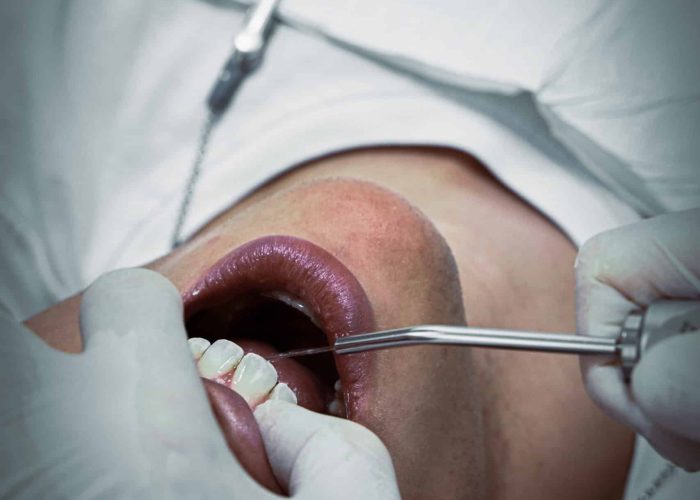
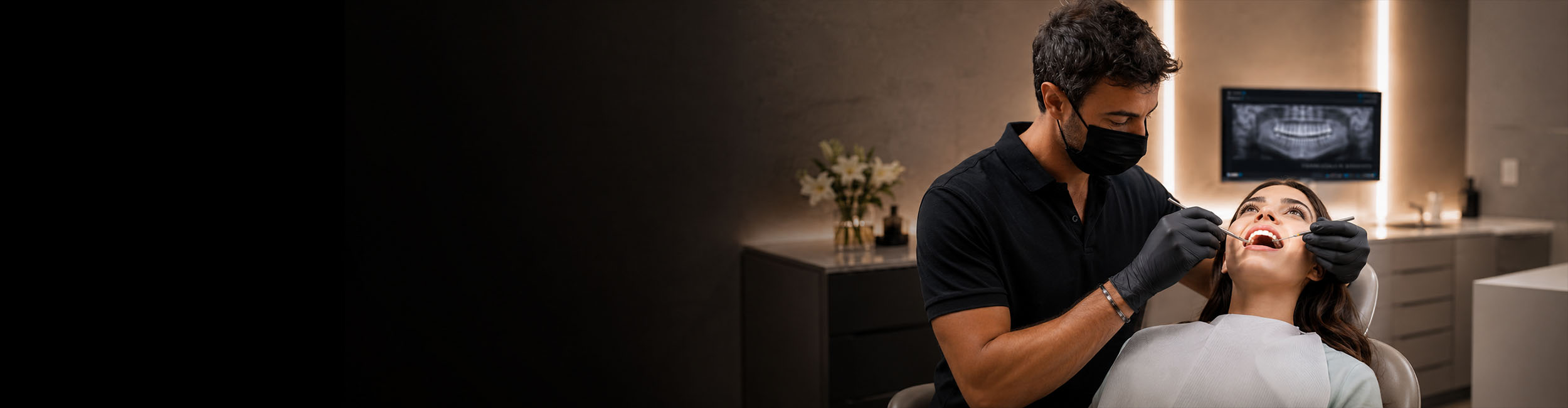
Sensitivity should not be treated without first understanding its cause. At Cabinet Dentaire de la Madeleine, the assessment draws on several elements: first a clinical examination, followed by sensitivity tests and, if necessary, an X-ray. The aim is to identify the exact cause.

In some cases, a simple adjustment is enough. In others, conservative endodontic treatment can preserve the tooth.

Tooth sensitivity

Solutions for lasting relief

Treatment always depends on the cause. There is no single solution.

Tooth sensitivity

Appropriate treatments

Depending on the situation, several options may be recommended:

  • Applying desensitising products
  • Changing brushing habits
  • Treating damage such as decay or cracks
  • Restoring the tooth

When the pulp is affected, endodontic treatment removes the source of the pain. The aim always remains the same: to treat the problem without compromising the tooth.

Appropriate treatments to relieve tooth sensitivity
Tooth sensitivity

Prevention and follow-up care

Everyday habits often make all the difference. A few adjustments can help reduce tooth sensitivity, such as using a soft-bristled toothbrush, avoiding overly forceful brushing and adapting your diet.

Above all, do not wait. Regular follow-up allows early intervention before the problem becomes established.

At Cabinet Dentaire de la Madeleine, this follow-up is an integral part of your care.

Portrait de Dr. Alexa Elmaleh
  • Diplôme de la Faculté de Chirurgie-Dentaire de Paris 5 Descartes
  • DU d'Implantologie Chirurgicale et Prothétique Université Paris 7 Diderot
  • Certificat d’implantologie de l’AIIO
  • Formation aligneurs Invisalign

Endodontie Exclusive

Dr. Alexa Elmaleh

Micro-chirurgie Endodontique

Book an appointment
Tooth sensitivity

Frequently asked questions (FAQ)

Is it normal to have sensitive teeth?

It is common, but should not be dismissed. It always warrants an assessment.

Is cold the main trigger?

Yes, but heat and even air can also cause a reaction.

When should I see a dentist?

As soon as the sensitivity becomes regular or more intense.

Is toothpaste enough?

It can help, but it does not treat the cause.

Can the pain go away on its own?

Sometimes. However, it may also worsen if it is not treated.

Is endodontic treatment always necessary?

No, only when the damage is deep.

Book an appointment

Contact our dental practice
 in Paris Madeleine

8 Boulevard de la Madeleine, 75009 Paris

MMadeleine (lignes 8, 14 et 12) et Opéra (ligne 3)
BUSMadeleine – Vignon (lignes 42 et 52)
RERAuber (ligne A)
PMadeleine-Tronchet (21 Pl. de la Madeleine, 75008 Paris)
PEdouard 7 (16 Rue Bruno Coquatrix, 75009 Paris)
Ouvert du lundi au samedi — 09h30-19h LUN / VEND - 09h30-19h
WhatsApp Tél Mail