


" Smile Clinic Paris is now Cabinet Dentaire de la Madeleine "
Gingivitis: identifying and treating gum inflammation
Cabinet Dentaire de la Madeleine

Gingivitis: identifying and treating gum inflammation

Protecting your oral health for the long term

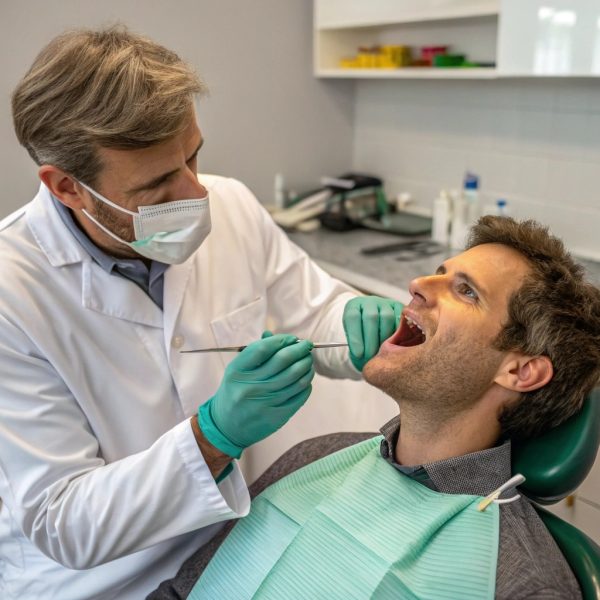
An oral examination can identify the cause of gingivitis and help establish a personalised treatment plan, together with tailored oral hygiene advice, to restore healthy gums and prevent recurrence.

Gingivitis

How to recognise gingivitis

Gingivitis is an inflammation of the gums, most commonly caused by a build-up of dental plaque. It does not always cause pain, which can make it difficult to detect. However, certain signs are characteristic and should prompt you to seek advice.
Gingivitis affects the gums, whereas periodontitis affects the tissues that support the teeth. An examination can distinguish between the two.

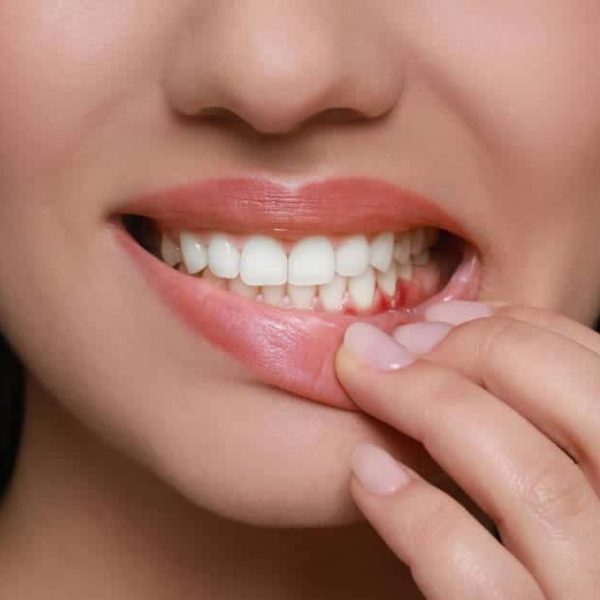
Red and swollen gums

Healthy gums may be pink or naturally darker. They are firm and closely attached to the teeth.
In cases of gingivitis, they become:

  • redder
  • slightly swollen
  • sometimes shiny or tender
This change in appearance reflects increased blood flow caused by inflammation.
Some people also describe discomfort or a feeling of tightness in the gums, as well as persistent bad breath, often caused by the breakdown of bacterial debris.
Bleeding gums

The most common sign is bleeding gums.
This often occurs:

  • when brushing your teeth
  • when flossing
  • sometimes even spontaneously
Brushing too hard can injure the gums. However, repeated bleeding is most often linked to gum inflammation caused by a build-up of dental plaque. The bacteria it contains trigger a local inflammatory response, making the gums more sensitive and prone to bleeding.

Gingivitis

The main causes of gingivitis

Gingivitis results from an imbalance between the bacteria present in the mouth and the body's defence mechanisms.

Dental plaque and tartar

Dental plaque is the most common cause. It is a biofilm made up of bacteria that continuously forms on the teeth. When it is not removed effectively:

  • it builds up along the gumline
  • it develops into bacterial colonies
  • it triggers an inflammatory response
Over time, this plaque mineralises and forms dental tartar, a hard deposit that adheres to the teeth. Its rough surface encourages further plaque to accumulate.
At this stage, professional scaling combined with suitable daily oral hygiene can restore gum health.

Factors that aggravate gingivitis

Certain circumstances make the gums more sensitive or alter the inflammatory response:

  • Smoking, which can sometimes mask bleeding while worsening the damage
  • Hormonal changes, including during pregnancy and adolescence
  • Certain general health conditions, such as diabetes
  • Chronic stress
  • Certain medicines
These factors do not directly cause gingivitis, but they can encourage gum inflammation or affect how it progresses.

Gingivitis

Ways to treat gingivitis

With appropriate care and oral hygiene, gingivitis is usually reversible.

Professional treatment for gingivitis
Professional care

The first step is to eliminate local causes.
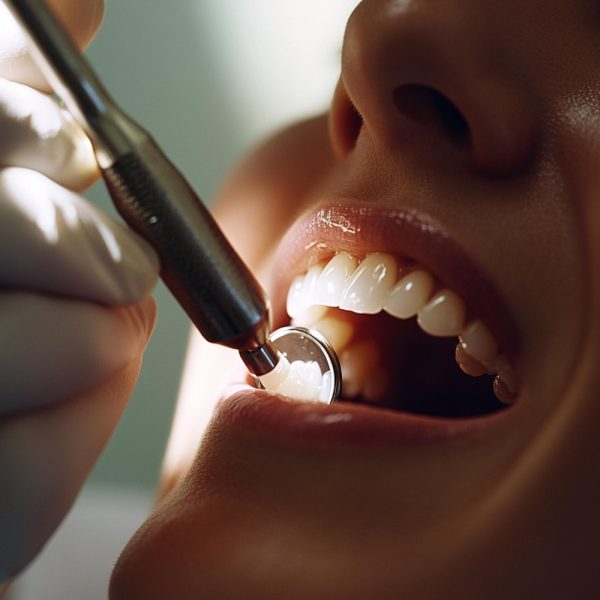
At Cabinet Dentaire de la Madeleine, this generally involves:

  • Thorough scaling with air polishing
  • Cleaning areas that are difficult to reach
  • Assessing the condition of the gums
This treatment removes the bacterial deposits responsible for the inflammation.
In some cases, specific advice is provided to help you adapt your daily routine, including brushing technique and the choice of oral care products.

Oral hygiene

Treatment also depends, above all, on what you do each day. Effective oral hygiene is based on three key measures:

  • Thorough tooth brushing at least twice a day
  • Cleaning between the teeth with floss or interdental brushes
  • If appropriate, a mouthwash prescribed for a specific purpose
These measures provide lasting control of dental plaque.

Gingivitis

Preventing gingivitis in the long term

Once gingivitis has been treated, the aim is to prevent it from returning.

Good daily oral care habits

A few adjustments are often enough:

  • Choose a soft-bristled toothbrush
  • Avoid brushing too aggressively
  • Eat a balanced diet
  • Stop smoking or seek support to help you quit
These habits help maintain a stable oral environment.

Regular follow-up at the dental practice

Even with good oral hygiene, deposits can accumulate in areas that are difficult to reach. This is why regular dental check-ups remain essential. Periodic examinations, at intervals suited to your needs, make it possible to:

  • Monitor the condition of your gums
  • Detect any gum inflammation at an early stage
  • Carry out scaling when necessary
Your practitioner can also advise you on the right daily techniques and recommend personalised preventive care suited to your needs.
Regular follow-up is essential for maintaining good gum health over the long term and preventing progression to more advanced conditions.

Gingivitis

Frequently asked questions about gingivitis

Can gingivitis go away without treatment?

It may improve slightly with better oral hygiene, but it often persists if tartar is not removed.

Is gingivitis painful?

Not necessarily. In fact, it is often painless, which can delay treatment.

What is the difference between gingivitis and periodontitis?

Gingivitis affects only the gums. Periodontitis affects the structures supporting the teeth, including the bone and periodontal ligament.

Is scaling essential?

If tartar is present, it must be removed by a dental professional. Brushing alone cannot remove it.

Is mouthwash enough?

No. It can help, but it does not replace mechanical cleaning.

When should I seek dental advice?

Seek dental advice promptly if you experience severe pain, pus, fever, significant swelling or a loose tooth.

Gingivitis

Our periodontist

Portrait de Dr. Grégoire Guigne
  • Diplôme de la Faculté de Chirurgie-Dentaire de Paris 5 Descartes
  • DU diplôme universitaire de parodontologie médicale et chirurgicale (Paris 5)
  • DU d’implantologie de l’université D’Evry (Paris XII)
  • CES certificat d’étude supérieur en Parodontologie (Paris 5)
  • CES de Prothèse Conjointe (Université Paris 5)
  • Attaché d’enseignement Hopital Bretonneau (Paris 5)

Parodontiste

Dr. Grégoire Guigné

Chirurgie Reconstructive Parodontale

Book an appointment
Book an appointment

Contact our dental practice
 in Paris Madeleine

8 Boulevard de la Madeleine, 75009 Paris

MMadeleine (lignes 8, 14 et 12) et Opéra (ligne 3)
BUSMadeleine – Vignon (lignes 42 et 52)
RERAuber (ligne A)
PMadeleine-Tronchet (21 Pl. de la Madeleine, 75008 Paris)
PEdouard 7 (16 Rue Bruno Coquatrix, 75009 Paris)
Ouvert du lundi au samedi — 09h30-19h LUN / VEND - 09h30-19h
WhatsApp Tél Mail