


Discuss your concerns openly and ask questions about the anaesthetic process. Good communication can help put your mind at ease.

Treatments
Your needs
Nos soins
Vos besoins
Nos soins
Vos besoins
Ensuring pain-free dental treatment
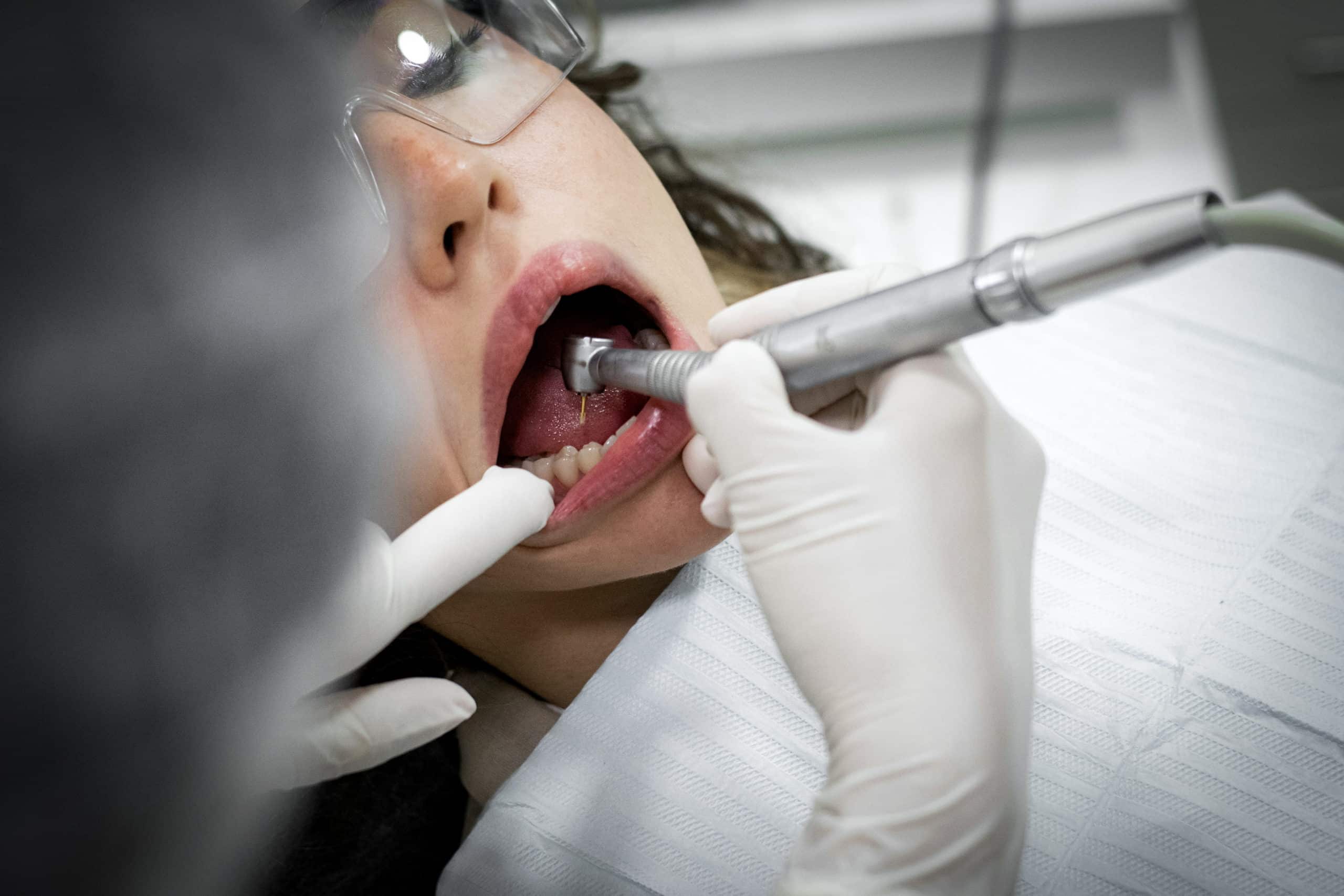
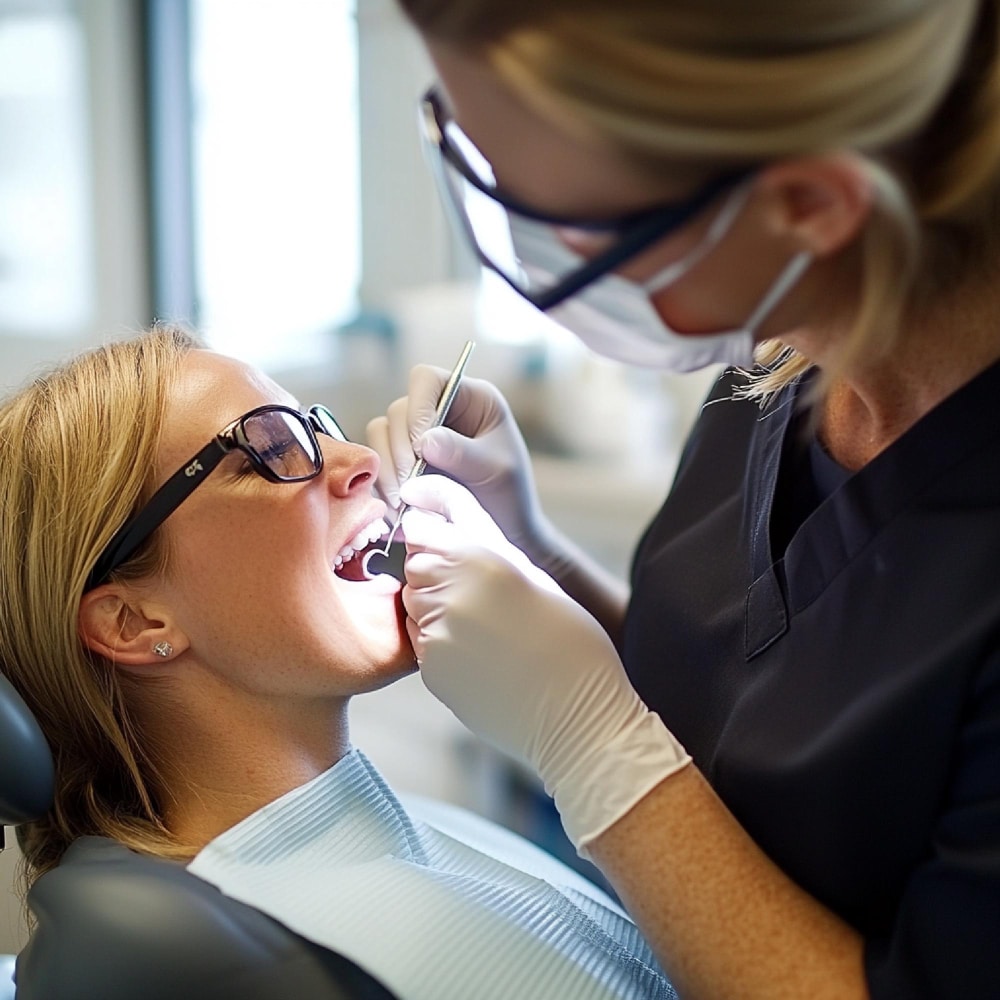
Local anaesthesia is a medical procedure that numbs a specific part of the body so that surgery or medical treatment can be performed without pain. In dentistry, a local anaesthetic is used to numb a precise area of the mouth, including the teeth, gums, tongue or surrounding tissues, making dental procedures painless for the patient.
Local anaesthesia is generally administered by injecting a local anaesthetic near the sensory nerves in the area to be numbed. These anaesthetics temporarily block pain signals from travelling along the nerves, preventing the brain from perceiving pain during the procedure.
The local anaesthetics used in dentistry are safe and effective. They can be used for a wide range of dental procedures, including fillings, tooth extractions, periodontal surgery, root canal treatment and many others.
Local anaesthesia is an essential part of modern dental care. It allows patients to receive treatment without significant pain and should make dental visits less stressful. Why, then, do some patients still feel apprehensive about dental treatment?
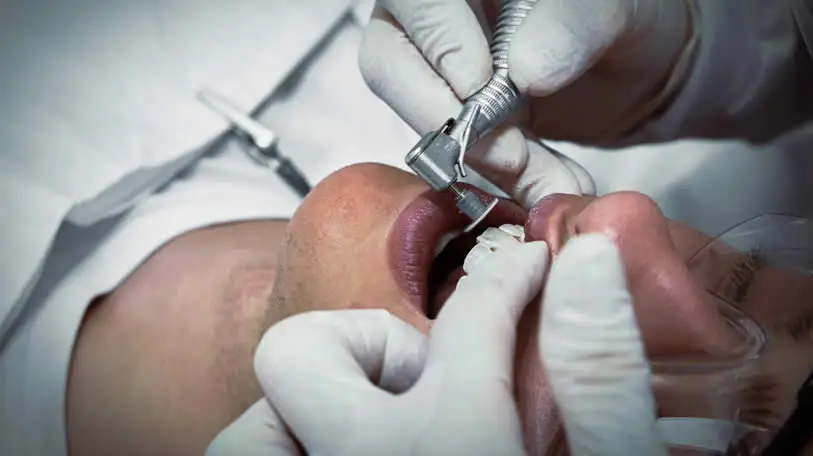
Despite its proven effectiveness, fear of local anaesthesia remains widespread. It is often intensified by our awareness of the mouth's vital role in everyday life. We use our mouths to speak, eat, breathe and much more. Any disruption or discomfort in this area can therefore feel particularly debilitating, amplifying concerns about dental anaesthesia. Several factors can contribute to this apprehension, including:
Patients may also feel that their breathing could be affected during a dental procedure, particularly when devices such as retractors or sponges are used to keep the treatment area accessible. Awareness of how vital breathing is can further increase anxiety about local anaesthesia in the mouth.
Ultimately, fear of local anaesthesia in the mouth is often heightened by the knowledge that any disruption in this area could directly affect our ability to carry out everyday activities comfortably and effectively. It is important to remember, however, that local anaesthesia is designed to minimise pain and discomfort during dental procedures, and that any temporary effects are far outweighed by the benefits of pain-free dental treatment.
Beyond these understandable concerns, it is important to recognise the many benefits of local anaesthesia:
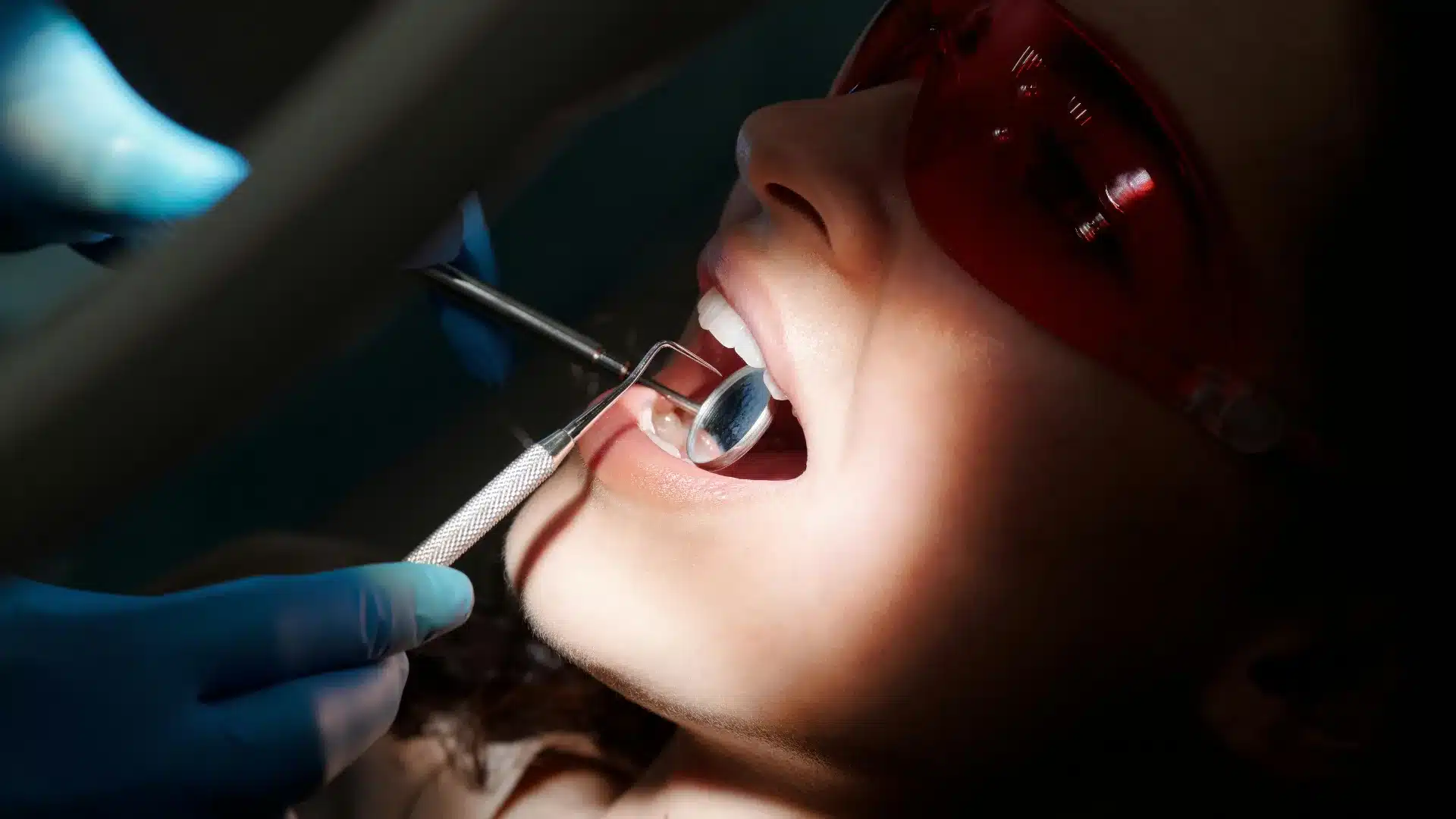
There are two main anaesthetic options for dental procedures: local dental anaesthesia and general anaesthesia. A local anaesthetic is administered directly to the area being treated, temporarily numbing it so that the procedure can be carried out without pain while the patient remains awake and aware. General anaesthesia, by contrast, involves inducing a controlled state of unconsciousness in which the patient remains asleep throughout the procedure. Although local anaesthesia is sufficient for most dental treatment, general anaesthesia may be recommended for more complex procedures or for patients with severe anxiety.
Each option has advantages and disadvantages. The choice depends on the patient's specific needs, the nature of the procedure and the dentist's clinical judgement. Where possible, local anaesthesia is generally preferred because it allows a quicker recovery, reduces the risks associated with general anaesthesia and enables patients to resume their daily activities sooner.
Ask your questions, send a photo of your smile and receive initial guidance from our team, simply by message, wherever you are.
If you are still worried about local anaesthesia, these tips may help you overcome your concerns:
Discuss your concerns openly and ask questions about the anaesthetic process. Good communication can help put your mind at ease.
Deep breathing, meditation or visualisation can help calm anxiety before a procedure.
If you have a phobia of needles, ask your dentist whether options such as topical numbing creams are available.
At Cabinet Dentaire de la Madeleine, we fully understand the apprehension and concern patients may feel about having a local anaesthetic in the mouth. We are therefore committed to providing a welcoming, reassuring environment in which every patient is treated with compassion and care.
Before any dental procedure involving local anaesthesia, our dentists take the time to explain the process in detail. We encourage patients to ask any questions they may have and aim to address their concerns thoroughly and clearly. We also use modern, proven anaesthetic techniques to minimise pain or discomfort during the injection. We strive to create a relaxing environment, using pain and anxiety management methods such as distraction through music or television, as well as relaxation techniques including deep breathing.
After the procedure, our team remains attentive to each patient's needs and concerns, providing clear post-operative care instructions and careful follow-up to support their comfort and optimal recovery.
In conclusion, fear of local anaesthesia in dentistry is complex and influenced by many personal and contextual factors. Recognising and understanding these fears is essential to overcoming them effectively. Open communication with your dentist, accurate and reliable information about the anaesthetic process, and anxiety management techniques can all help alleviate these concerns and allow patients to benefit fully from pain-free dental care. At Cabinet Dentaire de la Madeleine, we care for our patients with kindness, and our entire team will be pleased to welcome you in the best possible conditions.
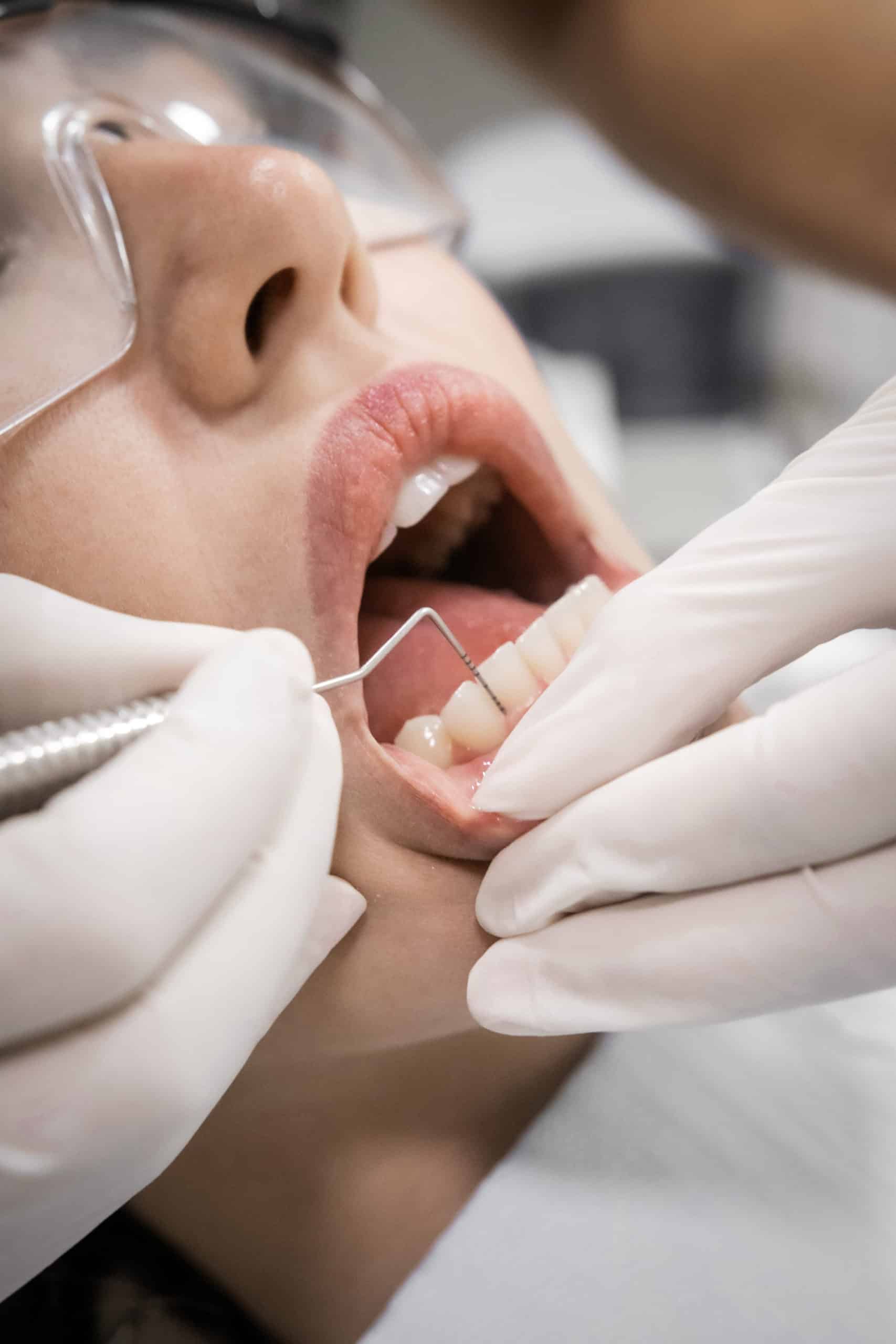
The duration of dental anaesthesia varies depending on the type of anaesthetic used, but it generally lasts between one and four hours. Individual factors can also affect its duration, including the patient's metabolism and the area treated.
Common side effects of dental anaesthesia include temporary numbness in the treated area, tingling and a feeling of tightness. Allergic reactions may occur in rare cases. Side effects such as nausea or dizziness are also possible, although they are less common.
Dental anaesthesia generally starts to take effect within a few minutes of administration, although this can vary depending on the type of anaesthetic used and the area treated. In most cases, patients begin to notice numbness or reduced pain sensation within a few minutes of the injection.
Before receiving dental anaesthesia, it is important to give your dentist a complete medical history, including details of any allergies, medicines you take and existing medical conditions. Avoid eating or drinking in the hours before the procedure, especially if general anaesthesia is planned. Follow the specific instructions provided by your dentist to ensure that the anaesthetic is both safe and effective.
Administering dental anaesthesia may cause a slight prick or feeling of pressure, but most patients tolerate it well. Modern anaesthetic techniques are designed to minimise pain or discomfort during the injection.
Diagnose and treat conditions affecting the inside of the tooth.
Discover the treatment Dental careTreat teeth while preserving as much natural tissue as possible.
Discover the treatment Dental careDiagnose and treat tooth decay.
Discover the treatment Implantology and surgeryRemove a tooth when preserving it is no longer appropriate.
Discover the treatment Implantology and surgeryAssess and remove wisdom teeth when necessary.
Discover the treatment Implantology and surgeryExplore the surgical procedures carried out at the practice.
Discover the treatment EndodonticsDiagnose and treat conditions affecting the inside of the tooth.
Discover the treatment Dental careTreat teeth while preserving as much natural tissue as possible.
Discover the treatment Dental careDiagnose and treat tooth decay.
Discover the treatment Implantology and surgeryRemove a tooth when preserving it is no longer appropriate.
Discover the treatment Implantology and surgeryAssess and remove wisdom teeth when necessary.
Discover the treatment Implantology and surgeryExplore the surgical procedures carried out at the practice.
Discover the treatment8 Boulevard de la Madeleine, 75009 Paris