


01
Before the appointment
Identify your needs, check the practitioner’s registration, review the practical information and prepare your medical history, recent examinations and questions.

Treatments
Your needs
Nos soins
Vos besoins
Nos soins
Vos besoins
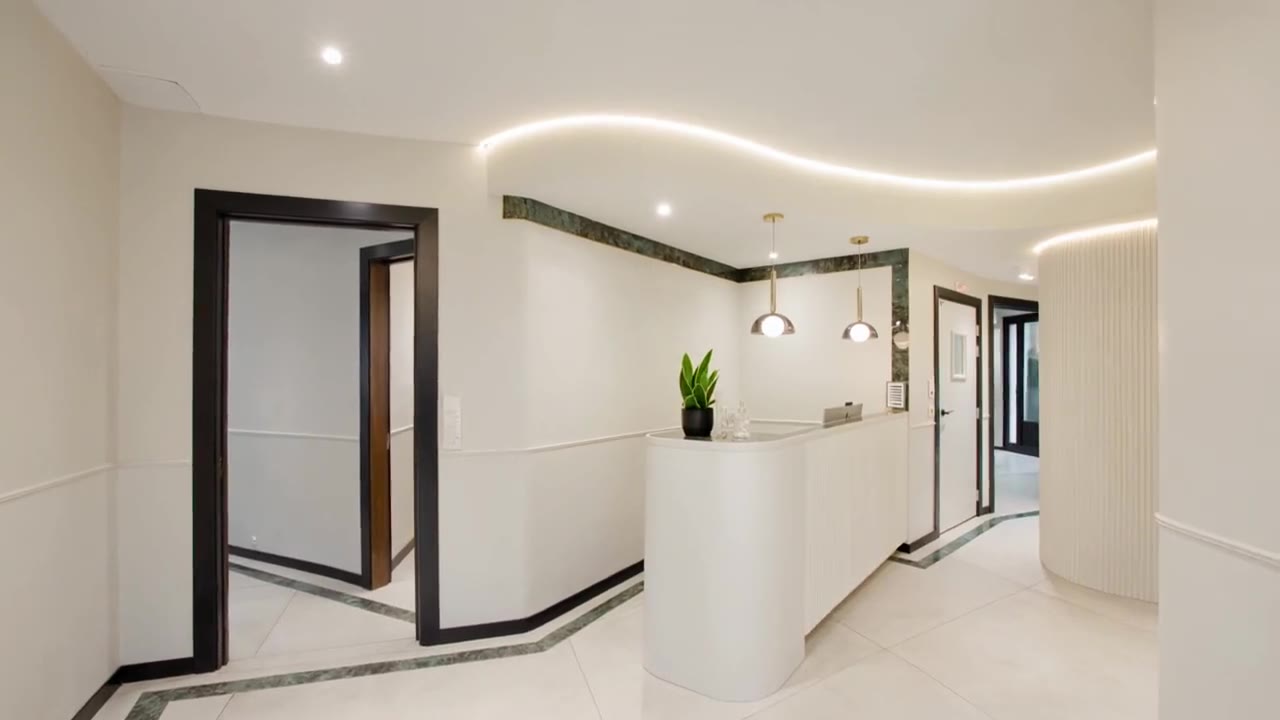
How should you choose based on your needs?
Searching for the “best dentist in Paris” often reflects a simple need: to find a reliable dental surgeon who suits your circumstances and with whom you can build a relationship of trust. However,
there is no public ranking that identifies any practitioner as the best in the capital.
Your choice depends on the care you need, your health, the clarity of the explanations, the practice conditions and continuity of follow-up care. Here is an eight-point method for comparing practitioners without relying solely on a rating, a slogan or proximity.
No. The French Dental Council provides a directory of registered practising dental surgeons, but it does not publish quality rankings. Professional communications must remain fair, honest and non-misleading, and must not be based on comparisons with other practitioners or establishments.
A page claiming that a professional is “number 1” without an independent methodology, published criteria and verifiable data should be regarded as a promotional claim, not a medical assessment.
The right aim is to choose a practitioner suited to your needs and assess the quality of the discussion before agreeing to treatment. You can check a practitioner’s identity and place of practice in the official Annuaire Santé directory.
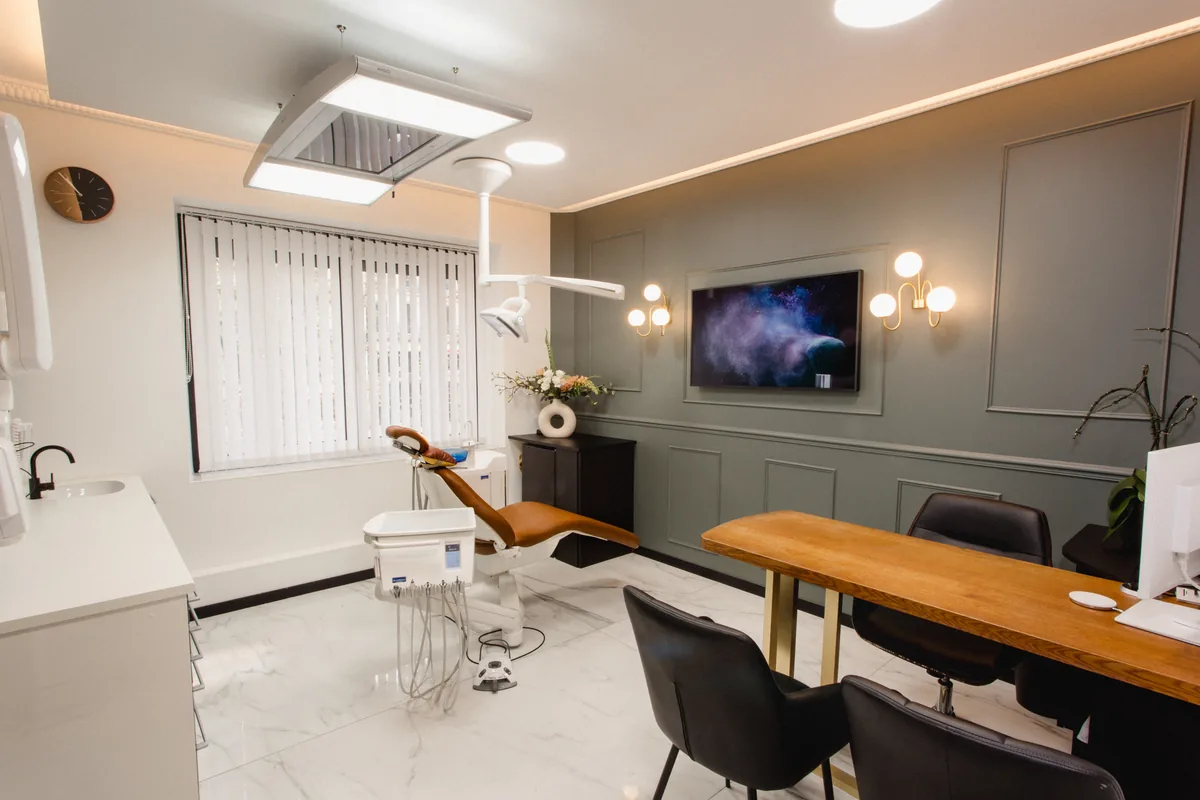
These criteria do not constitute a ranking. They can help you prepare for a consultation and assess whether the care offered suits your circumstances.
Start by checking the professional’s identity and place of practice in the official Annuaire Santé directory. This confirms their declared practice. On its own, it is not a quality rating or a guarantee of results.
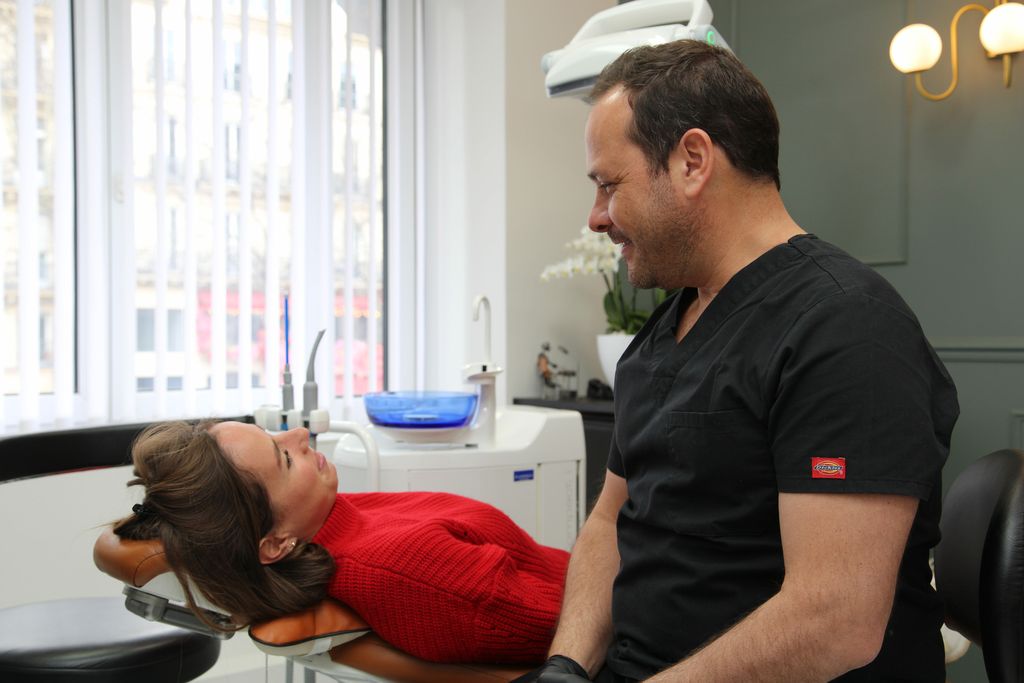
For a check-up, cavity, scale and polish or initial diagnosis, a general dental practitioner may be the right first point of contact. For some needs, a specialist qualification or a particular area of practice may be relevant.
In France, the recognised dental specialties are dentofacial orthopaedics, oral surgery and oral medicine. Implantology, periodontology, endodontics and cosmetic dentistry may describe an area of practice or training, but they should not automatically be confused with a specialty recognised by the professional body.
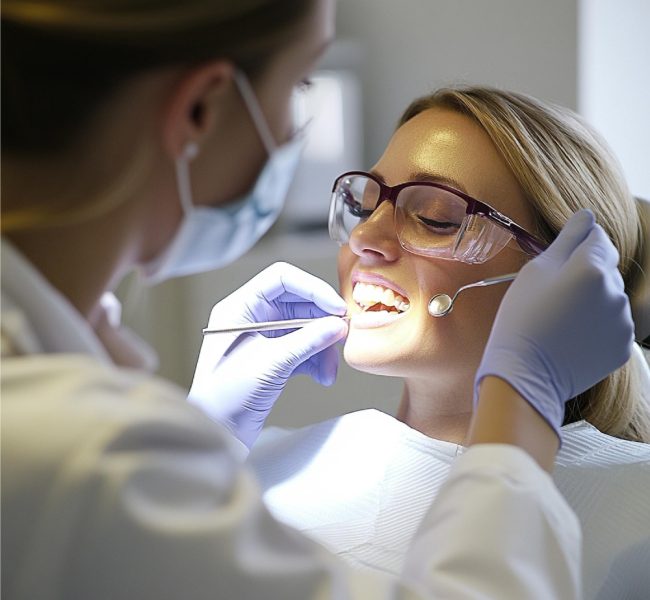
A useful first consultation should establish your reason for attending, medical history and expectations. The practitioner carries out a clinical examination and may request further tests, including imaging, when justified.
You should be able to distinguish what requires prompt care, what can be monitored, the possible options, their limitations and the planned follow-up. Major treatment should not be presented as self-evident without an explained diagnosis.
You should be able to ask questions and request that a term be rephrased. Ask about the aim of treatment, the alternatives, the main risks, the number of stages, the usual after-effects and how follow-up care is organised.
A precise, understandable answer is more useful than a promise of results.
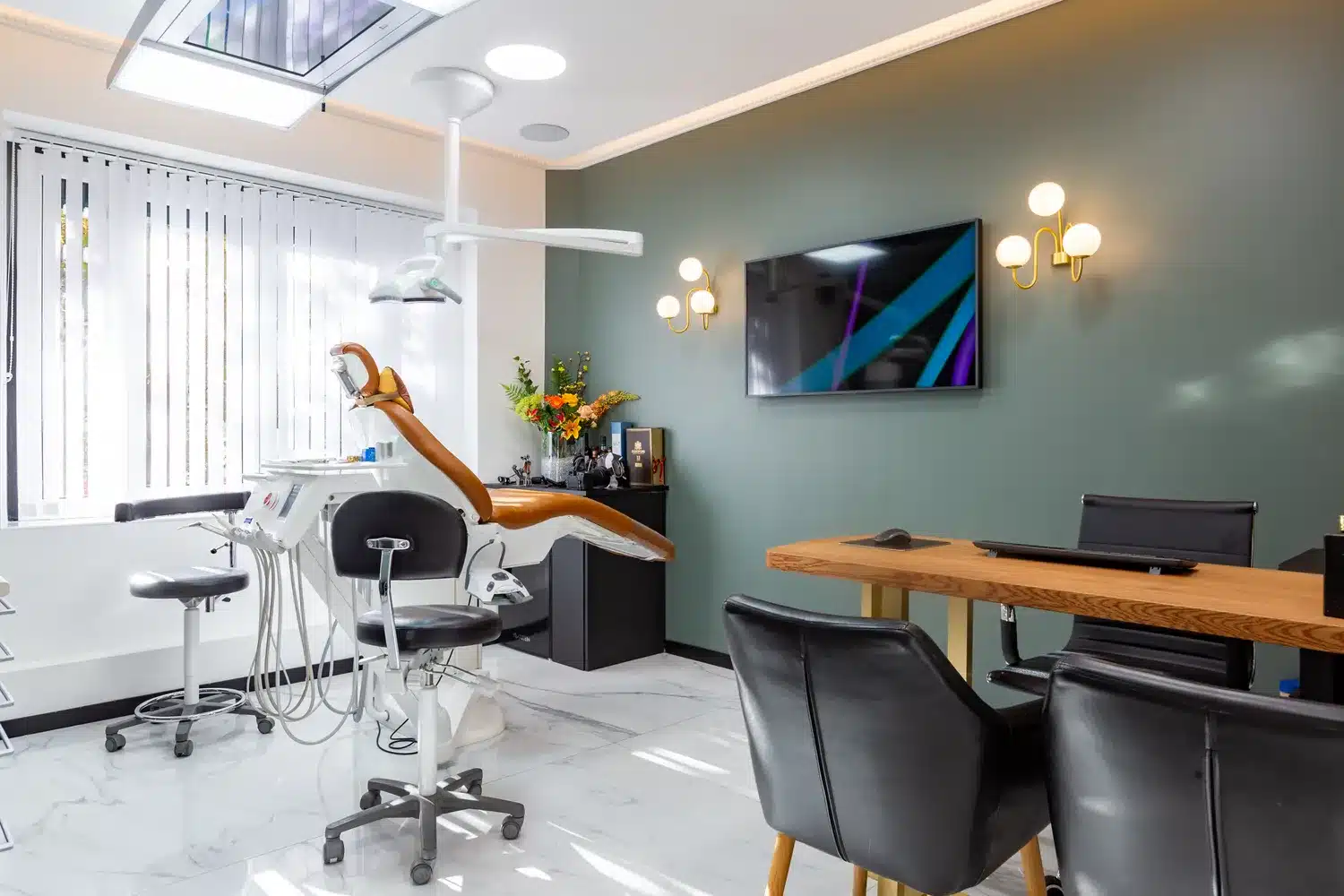
The total price alone is not enough to compare two proposals. Check the planned procedures, materials or devices involved, the number of stages, alternatives and follow-up arrangements.
A written quotation is required in particular for prosthetic treatments and orthodontics. For a complex plan, request the relevant written information, check the reimbursable portion and send the document to your supplementary health insurer. You can also read our dental care fee information.

The welcome, confidentiality, punctuality, record management and ability to answer questions provide indications of how the practice is run. You can also ask how the relevant devices are cleaned, disinfected or sterilised.
However, a one-off observation cannot assess an entire hygiene protocol. The most useful approach is to obtain a clear, professional answer.
Reviews can provide information about the welcome, accessibility, punctuality or perceived quality of explanations. On their own, they cannot assess whether a diagnosis is appropriate or the clinical quality of care.
Read several detailed reviews, look for recurring themes and distinguish described facts from opinions. Neither an isolated comment nor a high average rating replaces an assessment tailored to your circumstances.
In Paris, proximity, transport links and opening hours matter when several sessions are required. Also check how the practice handles urgent requests, check-ups and post-treatment care.
Ask whom to contact if you experience pain after treatment, how to obtain your records if necessary and what to do when the practice is closed. Continuity of follow-up care is often more useful than choosing solely on the availability of the first appointment.
For major treatment, take time to understand the diagnosis and proposal before deciding.
Ask what problem the treatment is intended to address and how the diagnosis was reached.
Ask about alternatives, including monitoring or no treatment where these are possible, as well as their benefits and limitations.
Check the number of stages, the materials or devices involved, the usual after-effects and how follow-up care is organised.
Ask what is urgent and what can wait. A second opinion may be useful if several options are available or the plan remains difficult to understand.

You can contact the practice to find out whether your needs fall within the care it provides. Only a consultation can establish a diagnosis and allow you to discuss the options suited to your circumstances.
Book an appointmentBe wary of guaranteed results, claims of being “number 1” without an independent methodology, pressure to agree immediately to non-urgent treatment, a lack of explanation about the options, or technology presented as a guarantee of results.
A single warning sign is not always enough to draw a conclusion. It does justify asking for clarification and, if necessary, postponing a non-urgent decision.
In an emergency: unbearable pain, a knocked-out or fractured tooth, significant bleeding or difficulty opening your mouth require prompt consultation. If you have difficulty swallowing or breathing, a fever, significant swelling of the face or neck, or severe trauma, call 15 or 112.

No. The French Dental Council provides a directory of registered practising professionals, but it does not rank their quality. Your choice should be based on how well the practitioner suits your needs, verifiable information and the quality of the care relationship.
Consult the official Annuaire Santé directory. It allows you to check the practitioner’s identity, profession and registered practice details.
No, there is no single form required for every procedure. A written quotation is required in particular for prosthetic treatments and orthodontics. The practitioner must answer questions about fees and out-of-pocket costs clearly.
They can provide information about patients’ experiences, the welcome or the perceived clarity of explanations. They do not prove that a diagnosis is medically appropriate or that a procedure is clinically sound. Use them as one indicator among others.
No. Equipment can be useful when appropriate and used proficiently, but on its own it does not guarantee the quality of the diagnosis, procedure or follow-up care.
Yes. You can consult another practitioner, particularly before major treatment, when several options are available or when the plan remains difficult to understand. Remember to ask for a copy of the relevant parts of your records.
Contact a dental surgeon promptly. Urgent consultation is recommended for unbearable pain, a knocked-out or fractured tooth, significant bleeding or difficulty opening your mouth. If you have difficulty swallowing or breathing, a fever, significant swelling or severe trauma, call 15 or 112.
Discover the care available and find the right option for your needs.
Discover the treatment FeesUnderstand fee information, quotations and out-of-pocket costs.
Discover the treatment PainIdentify situations that require prompt dental assessment.
Discover the treatment The practiceDiscover the practice and its team.
Discover the treatment Dental careDiscover the care available and find the right option for your needs.
Discover the treatment FeesUnderstand fee information, quotations and out-of-pocket costs.
Discover the treatment PainIdentify situations that require prompt dental assessment.
Discover the treatment The practiceDiscover the practice and its team.
Discover the treatmentA consultation is necessary to establish a diagnosis and present the options suited to your circumstances.
Book an appointment8 Boulevard de la Madeleine, 75009 Paris